
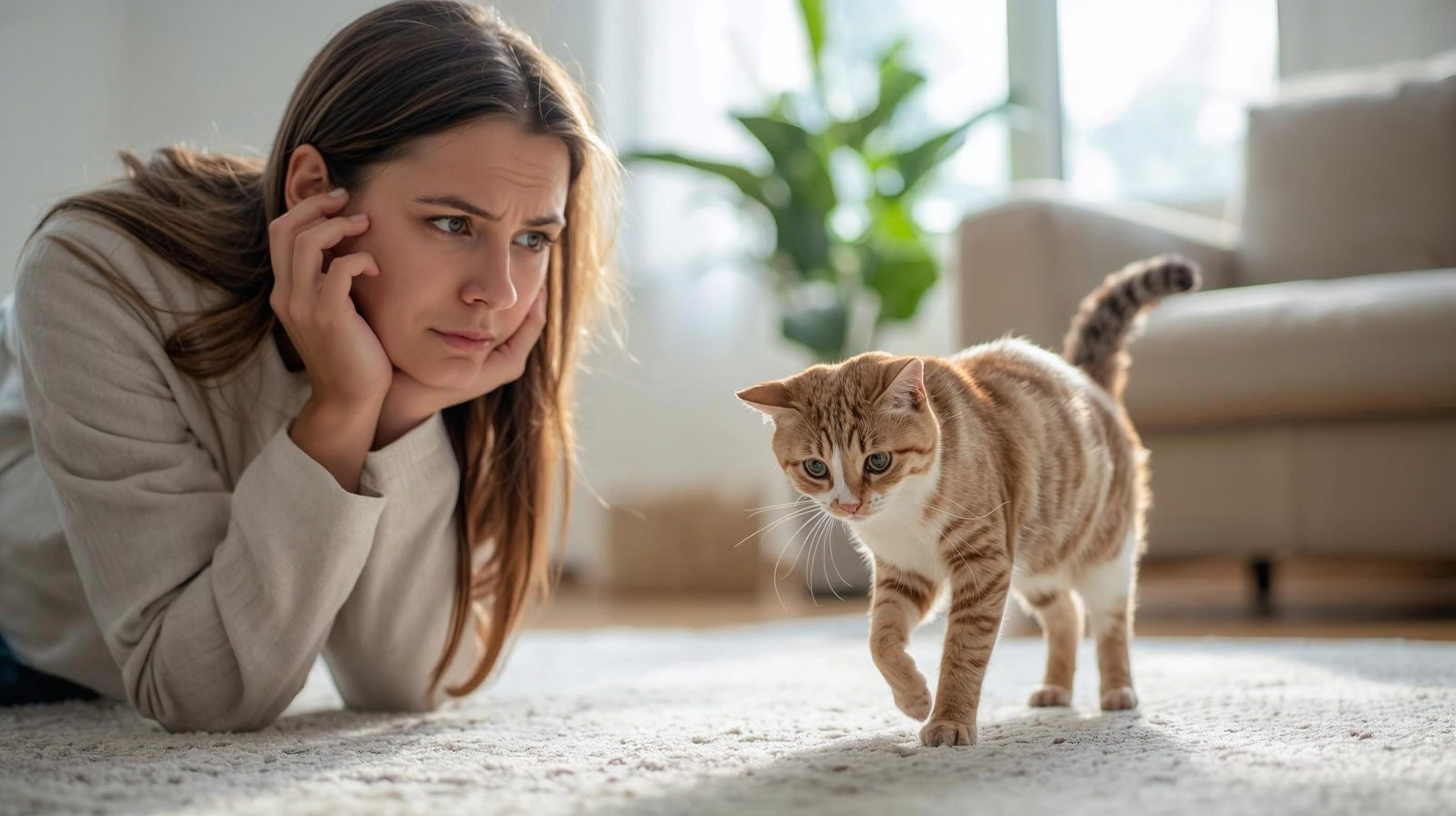
The sight of your cat limping is instantly worrying
But when they follow that awkward hop with a full-speed dash after a toy, you’re left scratching your head. “My cat is limping but still active”—it’s a common and confusing observation for many pet owners.
This behavior—limping (also known as lameness) combined with a seemingly normal appetite, energy, and play drive—is a classic example of a cat’s incredible ability to mask pain. In the wild, showing signs of weakness makes a cat vulnerable to predators. Our domesticated companions retain this instinct. This means that when you do notice a limp, it’s a definite sign of a problem. This is true even if they’re otherwise acting like their usual playful self.
It is absolutely crucial to understand that a cat that is limping is a cat that is in pain or discomfort. Even if they are eating, purring, and running, you should never ignore lameness. This comprehensive guide will explore the most common causes of a limping-but-active cat. Most importantly, it will provide clear advice on when to seek immediate veterinary care.
The Golden Rule: Limping is a Veterinary Concern
Before diving into causes, let’s establish a non-negotiable fact: Always consult a licensed veterinarian if your cat is limping.
The limp is an expression of pain, discomfort, or compromised mobility. Whether it’s a minor sprain or a serious fracture, only a professional can perform a proper physical exam. They will conduct diagnostics (like X-rays) and determine the appropriate treatment plan. Do not attempt to diagnose or treat a limping cat at home.
The Anatomy of the Limp: Why Do Cats Hide Pain So Well?
Cats are considered “obligate pain-hiders.” Their survival instincts are finely tuned. While a dog might whimper, whine, or clearly favor a limb, a cat’s response is often subtle. This makes detection of injury a challenge.
When a cat is limping but still active, it often means:
- The pain is intermittent: It only hurts when the joint or muscle is moved in a specific way. For example, it may hurt when walking slowly, but not when running and using momentum.
- The pain is chronic/low-grade: Conditions like early-stage arthritis cause discomfort that a cat learns to tolerate. They learn to compensate, meaning they won’t stop their favorite activities.
- The injury is minor (but still present): A small sprain, bruise, or minor pad injury may not be severe enough to cause full-blown lethargy. However, it is enough to make walking uneven.
This deceptive nature means that a “minor” limp in a cat can actually indicate a significant underlying issue.
Common Causes: Why Your Cat is Limping But Still Active
The causes of lameness in cats can be broadly categorized, moving from minor, acute injuries to more serious, chronic conditions.
I. Acute (Sudden Onset) and Minor Injuries: These are often the most common reasons for a sudden limp. These injuries don’t completely stop your cat’s activities.
- Paw Pad and Claw Issues: The first place a vet will check is the paw itself. Injuries here are often very painful but localized, allowing the cat to still move around.
- Foreign Objects: A small thorn, splinter, piece of glass, or burr embedded in the paw pad or between the toes. This is irritating and painful, but not necessarily debilitating.
- Injured Claw: A cracked, broken, torn, or ingrown claw (especially dewclaws). This causes pain with every step but often isn’t enough to stop the cat from eating or running.
- Minor Cuts or Burns: Small wounds or chemical burns (from walking on certain cleaning products) on the pads.
2. Sprains and Strains: Just like people, cats can over-stretch or tear soft tissues while jumping, playing, or landing awkwardly.
- Jump-Related Trauma: A bad landing from a high jump (e.g., off a bookshelf, counter, or fence) can cause a muscle strain. It can also cause a tendon sprain, or joint subluxation.
- Wrestling Injuries: Rough play with another pet can lead to minor trauma in a leg, shoulder, or hip.
- Soft Tissue Bruising: A minor bump or scrape that causes bruising to the muscle tissue without bone involvement.
3. Insect Stings or Bites: A sting from a bee or wasp, or a bite from a spider, can cause localized swelling and pain. This occurs in a paw or leg. The discomfort is acute. However, once the initial shock wears off, a cat may try to carry on as normal despite the tenderness.
II. Chronic and Progressive Conditions (Often in Older Cats): If your cat’s limp has been intermittent or worsening slowly over time, the cause is often a progressive condition affecting the joints. This is particularly common in senior cats who are otherwise still very active.
4. Feline Osteoarthritis (OA): This is a degenerative joint disease and is extremely common in older cats. It affects up to 90% of cats over the age of 12.
- Why they stay active: OA pain is often low-grade and chronic. Cats adapt their behavior to avoid the most painful movements, but they won’t stop all movement. They may substitute jumping with climbing, or run with a slightly altered gait. The limp may be most noticeable when they first wake up or when they are walking slowly.
- Subtle signs: Instead of an obvious limp, you might notice reluctance to jump up. Stiffness, a change in litter box habits (it hurts to step over the high sides), or a decrease in grooming (it hurts to bend) are also signs.
5. Hip or Elbow Dysplasia: While less common than in dogs, cats can suffer from congenital joint conditions. Here, the joint develops abnormally. The resulting chronic pain can lead to an intermittent limp. The cat learns to manage by shifting weight.
III. Serious Injuries and Illnesses (Require Immediate Attention): A limp, even a mild one, can occasionally be the first (or only) sign of a much more serious issue.
6. Fractures or Dislocations: Even a seemingly minor limp can hide a more serious bony injury.
- Hairline or Stress Fractures: These are tiny cracks in the bone that can still bear some weight. Nevertheless, they are acutely painful. The cat will still use the limb but will show a clear limp.
- Tail or Spinal Injuries: Injuries to the tail or spine can sometimes manifest as a limp. Poor coordination in the hind legs can also occur.
7. Abscesses and Deep Wounds
- Cat Fight Abscess: An unnoticed puncture wound from a fight can develop into a painful, pus-filled pocket (abscess) a few days later. The resulting swelling and localized pain cause a limp. The cat may still be active until the infection progresses, but you should seek immediate veterinary care to drain and treat the infection.
- Deep Lacerations: A cut that goes deep into the muscle or tendon can be very painful and cause lameness, even if the cat attempts to ignore it.
8. Arterial Thromboembolism (Saddle Thrombus): This is a medical emergency and is most often associated with underlying heart disease. A blood clot breaks off and travels, lodging where the aorta splits, often cutting off blood supply to the hind legs.
Key difference: While a minor limp might precede it, a full-blown clot causes sudden, severe paralysis/lameness, extreme pain, and the affected leg will be cold to the touch. This is an emergency requiring immediate care.
Home Care and Assessment: What You Can Do
When you first notice the limp, you can take a few steps to safely assess the situation before contacting your vet. Remember: Do not give your cat any human pain medication (like Tylenol or Aspirin), as they are highly toxic to cats!
1. Immediate Restriction (Containment)
- Limit Movement: Place your cat in a small, quiet, and secure area (like a crate or a small room) to prevent further injury. Limit jumping and running for a few hours.
- Essentials Nearby: Ensure food, water, and the litter box are easily accessible and close by to minimize walking.
2. Visual and Gentle Palpation Check
- Visual Inspection: Look at the affected leg (front or back). Is there obvious swelling, an open wound, or any visible foreign object?
- The Paw Check: Gently press on the paw pads and between the toes. Look closely for a broken nail, splinter, or sign of a sting.
- Move Slowly Up the Leg: Starting at the paw, gently and slowly run your fingers up the leg, feeling for any heat, unusual lumps, or areas where your cat flinches, cries, or pulls away. Stop immediately if your cat shows signs of significant pain.
3. Observe the Limp and Behavior
- Severity: Is it a slight limp (barely noticeable) or is your cat completely non-weight bearing (not putting the foot down at all)? A non-weight-bearing limp is an immediate emergency.
- Consistency: Does the limp come and go, or is it present with every step?
- Activity Level: Is your cat still eating and drinking normally? This information is vital to relay to your veterinarian.
When to Stop Observing and Go Straight to the Vet
While a small, subtle limp might be watched for a few hours (after a clear paw check), many situations warrant an immediate or urgent veterinary visit.
| Immediate Veterinary Emergency (Go Now!) | Urgent Vet Visit (Within 24 Hours) |
| Non-weight bearing: Your cat refuses to put any weight on the leg. | The limping has lasted more than 24 hours. |
| Obvious injury: Swelling, dangling limb, bone visible, or profuse bleeding. | Swelling is present but there is no obvious wound. |
| Limb is cold: The leg feels cold to the touch or the paw pad color is pale/blue. (Sign of a blood clot/Saddle Thrombus). | Your cat is not eating or drinking (indicating a higher level of pain/illness). |
| Signs of systemic illness: Fever, lethargy, difficulty breathing, or severe pain on touch. | You found a puncture wound or deep cut that may need cleaning and antibiotics (to prevent an abscess). |
| Known Trauma: The limp occurred after a known trauma (e.g., a fall, being hit by a car, or an aggressive animal attack). |
Veterinary Diagnosis and Treatment
When you arrive at the clinic, your vet will perform a comprehensive physical and orthopedic examination.
The Diagnostic Process
- Gait Assessment: The vet will watch your cat walk to observe the severity and location of the limp.
- Palpation: The vet will systematically feel the entire leg, from paw to hip/shoulder, manipulating the joints to pinpoint the source of the pain.
- Imaging (X-rays): If a fracture, dislocation, or severe soft tissue injury is suspected, X-rays are necessary to see the bones and joints.
- Blood Work: In cases of severe or unexplained lameness, blood tests may be run to check for systemic illness, infection, or underlying conditions like heart disease.
Treatment Options :
Treatment is entirely dependent on the diagnosis:
- Minor Sprains/Strains: Rest, confinement, and prescribed veterinary anti-inflammatory/pain medication (NSAIDs or other analgesics).
- Puncture Wounds/Abscesses: Cleaning, draining (for an abscess), antibiotics, and pain relief.
- Fractures/Severe Ligament Tears: May require surgery, splinting, or casting, followed by an extended period of rest.
- Osteoarthritis: Long-term management involving specific joint supplements (glucosamine/chondroitin), prescription diets, pain management (often including a new generation of injectable monoclonal antibody treatments), and environmental modifications.
Care and Prevention Tips for Active Cats
Once your cat is back on the road to recovery, or if you are looking to prevent future injuries, a few proactive steps can help.
- Weight Management: Keeping your cat at a healthy weight significantly reduces stress on joints, which is especially important for arthritis prevention.
- Safe Environment: For indoor-outdoor cats, try to keep them contained to reduce the risk of traffic accidents or cat fight injuries. For indoor cats, secure high, tempting spots to prevent dangerous falls.
- Environmental Adjustments (For Senior Cats):
- Place ramps or steps next to favorite sleeping spots (like the sofa or bed) to reduce the need for high-impact jumping.
- Use litter boxes with low entry sides to ease painful stepping.
- Ensure plenty of non-slip rugs on slick floors to prevent slips and falls.
- Routine Veterinary Checks: Regular check-ups allow your vet to spot subtle signs of joint disease or other issues before they become severe.
Final Thought
Your cat’s ability to “power through” a limp and remain active is a testament to their tough nature, but it should never be misinterpreted as “they must be fine.” A limping cat is a hurting cat. By acting quickly, providing immediate rest, and getting a professional diagnosis, you are taking the essential steps to protect your feline friend’s comfort and long-term well-being.
Protect your cat’s nine lives—schedule that vet visit!