Indian winters may look mild compared to Western countries — but they silently affect dogs far more than pet parents realise.
From cold tiled floors and foggy mornings to sudden temperature drops at night, January can trigger joint pain, respiratory infections, digestive issues, and behavioural changes in dogs.
Many pet parents assume that if they are comfortable, their dog must be too. Unfortunately, this is one of the biggest winter care mistakes.
This comprehensive guide explains how to take care of dogs in Indian winters, what signs indicate your dog is cold even indoors, and how to protect their health through January.
Why Winter Care for Dogs Is Different in India
Most online winter care advice is written for Western climates — snow, heated homes, and sub-zero temperatures.
Indian winters are different.
- Cold tiled or marble floors
- No central heating
- Sudden day–night temperature drops
- Fog, pollution, and damp air
- Dogs spending more time indoors
These factors quietly stress a dog’s body, especially puppies, senior dogs, and short-haired breeds.
Signs Your Dog Is Cold (Even Indoors)
Dogs don’t always shiver dramatically when they feel cold. Many show subtle signs that pet parents overlook.
⚠️ Common Signs Your Dog Is Feeling Cold
- Shivering or trembling
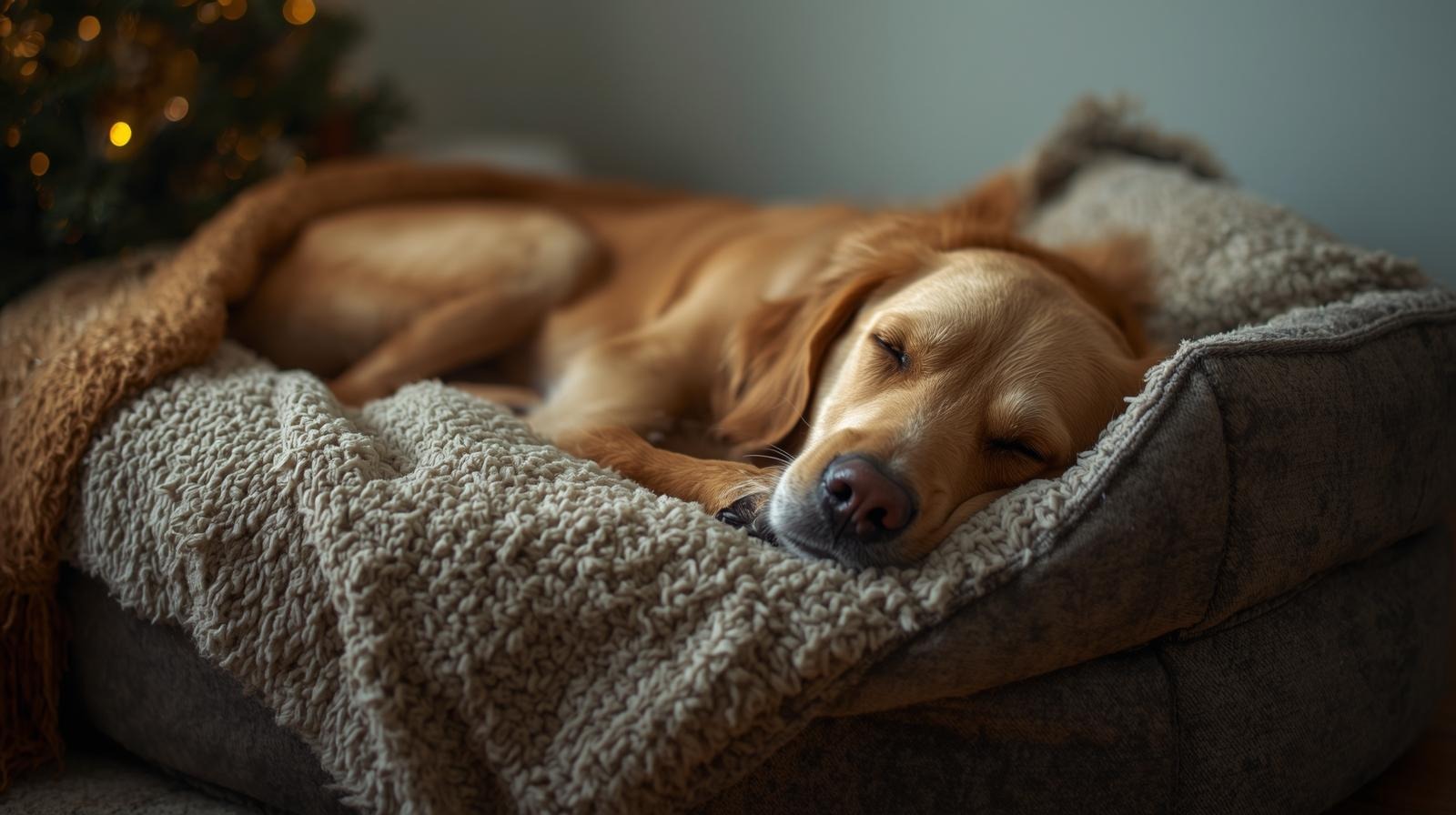
- Sleeping curled tightly instead of stretched out
- Seeking warm spots constantly
- Cold ears, paws, or belly
- Stiff movement after rest
- Reduced activity or reluctance to go outside
- Excessive licking or paw lifting
If your dog shows multiple signs, they are likely uncomfortable — even if you feel warm.
Which Dogs Need Extra Winter Care?
🐾 Dogs More Sensitive to Cold
- Puppies (under 12 months)
- Senior dogs (7+ years)
- Short-haired breeds (Doberman, Indie mixes, Boxer)
- Small breeds (Shih Tzu, Pomeranian, Chihuahua)
- Dogs with arthritis or joint problems
- Underweight or sick dogs
These dogs require proactive winter protection, not reactive care.
Keeping Your Dog Warm Indoors (Most Important Step)
Contrary to belief, most winter-related health issues in dogs begin inside the home.
✔ Practical Indoor Warmth Tips
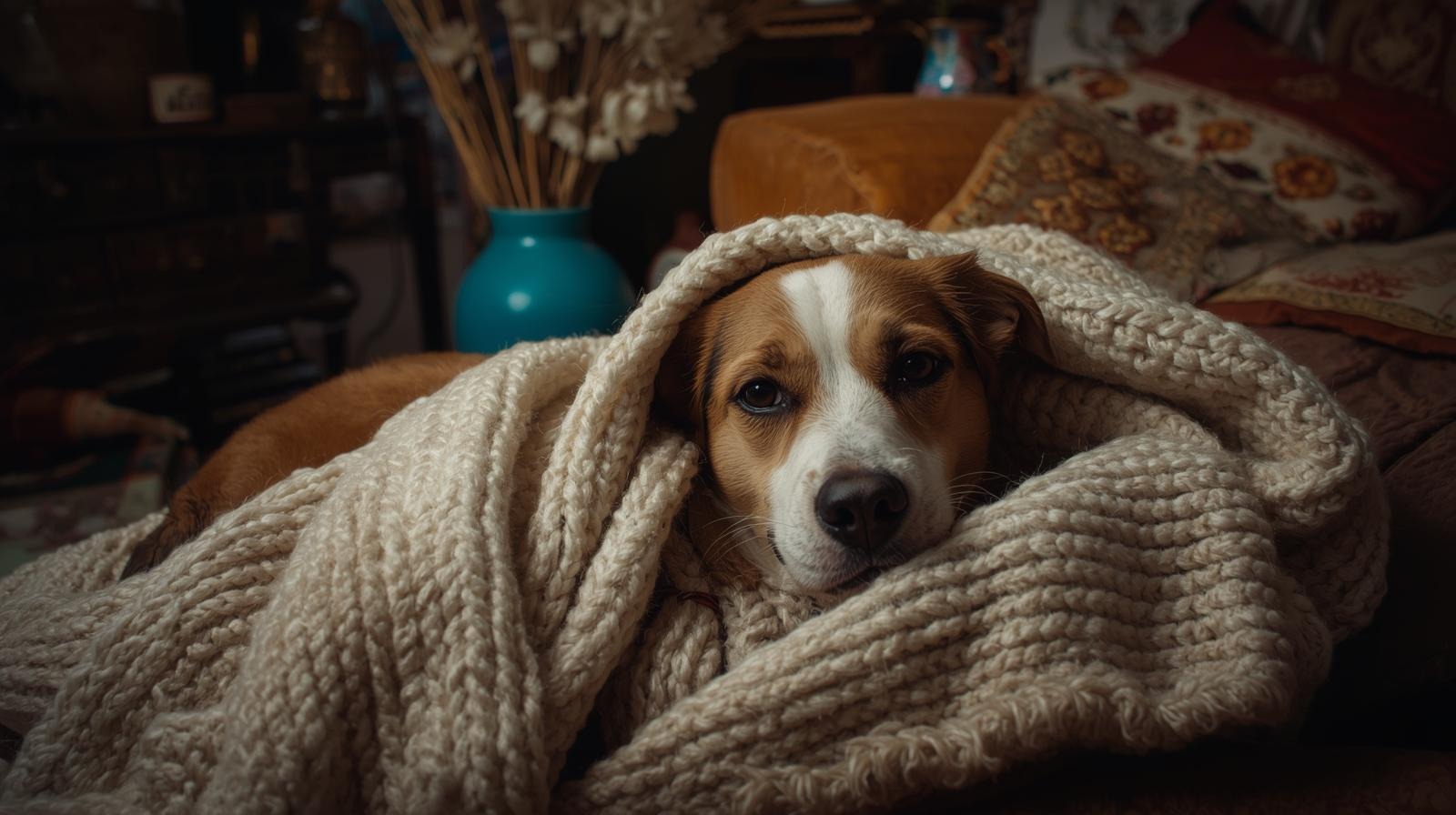
- Provide thick bedding (avoid sleeping directly on tiles)
- Use raised beds or mats
- Add blankets at night
- Avoid cold drafts near windows or doors
- Keep sleeping areas away from damp zones
Do not rely only on sweaters. Ground-level cold is the biggest trigger for joint pain.
Should Dogs Wear Sweaters in Winter?
Yes — but selectively.
Dogs That Benefit from Sweaters
- Short-haired dogs
- Small breeds
- Senior dogs
- Puppies
Important Sweater Rules
- Remove indoors if room is warm
- Avoid tight or synthetic fabrics
- Never keep wet sweaters on
Sweaters are support tools — not substitutes for proper warmth.
Winter Diet Changes for Dogs in India
Dogs burn more energy in winter to maintain body temperature.
This can mean:
- Increased appetite
- Weight gain if overfed
- Digestive issues if diet isn’t balanced
✔ Winter Diet Tips
- Slightly warm food (never hot)
- Ensure adequate protein
- Add vet-approved fats if needed
- Do not overdo treats
If your dog gains weight or loses appetite suddenly, consult a vet.
Book an online vet consultation on MyFurries for personalised winter diet advice.
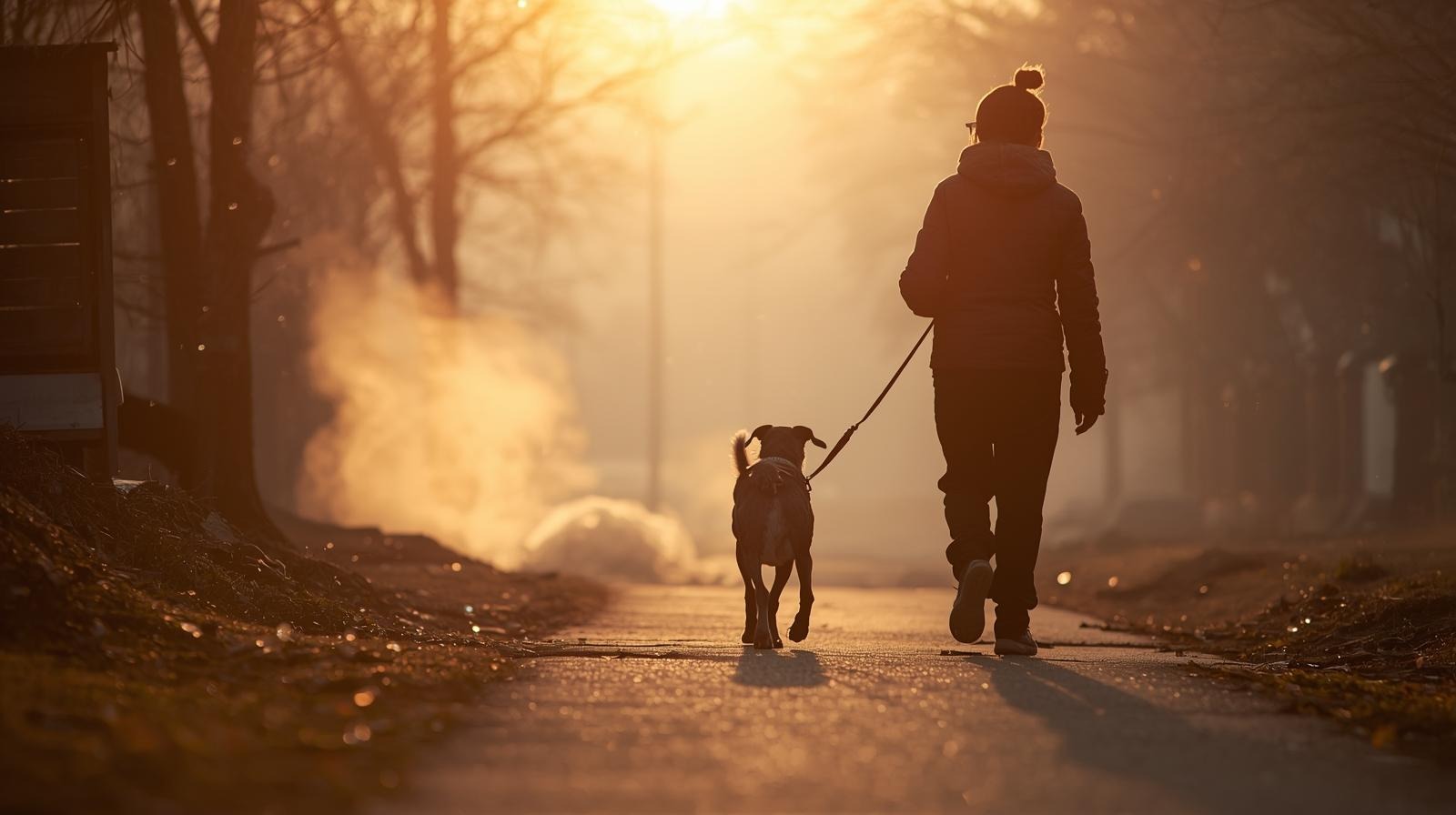
Walking Your Dog Safely in January
Exercise remains essential — but timing and duration matter.
✔ Best Walk Timings in Winter
- Morning: 8:30 – 10:30 AM
- Evening: 4:30 – 7:00 PM
⚠️ Avoid
- Early morning fog
- Late-night cold walks
- Cold concrete surfaces for long durations
Dogs with joint issues should warm up before walks.
Winter Health Problems Common in Dogs
- Joint pain and arthritis flare-ups
- Cold and cough
- Dry skin and dandruff
- Ear infections
- Digestive slowdown
Ignoring early symptoms often leads to prolonged illness.
Grooming & Skin Care in Winter
Over-bathing in winter causes dry skin and itching.
✔ Winter Grooming Tips
- Reduce bath frequency
- Use moisturising shampoos
- Dry completely after baths
- Brush regularly to improve circulation
If itching persists, a vet consultation is recommended.
When to Contact a Vet Immediately
- Persistent shivering
- Limping or difficulty standing
- Loss of appetite
- Laboured breathing
- Sudden lethargy
Consult a vet online on MyFurries before symptoms worsen.
Key Winter Care Takeaways for Indian Dog Parents
- Cold floors harm more than cold air
- Subtle signs matter
- Senior and small dogs need extra care
- Routine beats reaction
A warm, comfortable dog is a healthier, happier dog.