
Seeing your cat shiver can be deeply alarming—and rightly so.
While mild trembling can be normal, persistent shivering may signal hypothermia or underlying illness, especially during Indian winters.
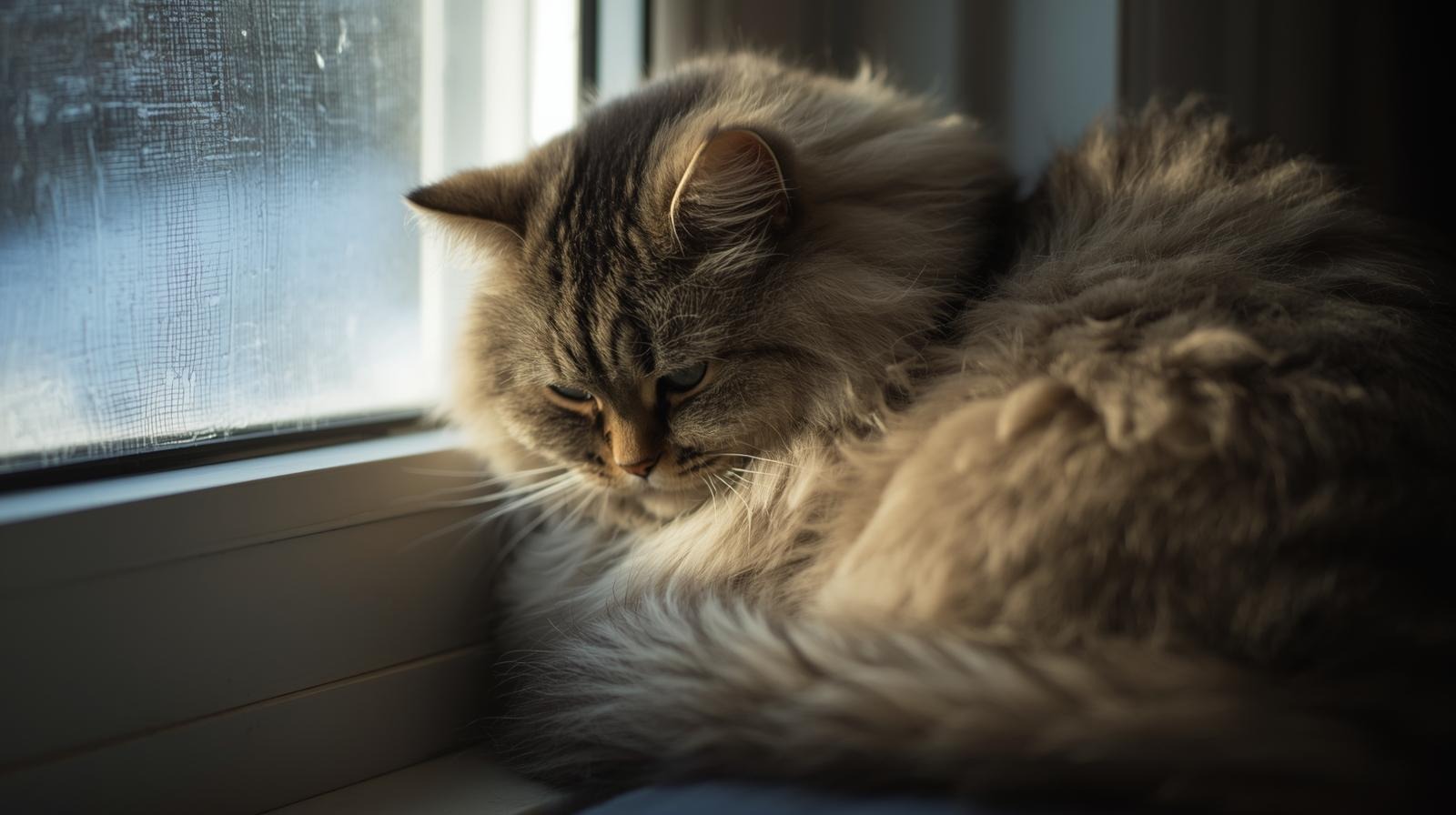
Do Cats Feel Cold in Indian Winters?
Yes. Cats are sensitive to cold, especially:
- Kittens
- Senior cats
- Short-haired breeds
- Underweight or sick cats
Indoor cats are not immune to cold stress.
Normal Reasons Cats May Shiver
- Temporary cold exposure
- Excitement or fear
- After grooming or bathing
These episodes are short-lived and resolve quickly.
What Is Hypothermia in Cats?
Hypothermia occurs when body temperature drops below normal.
⚠️ Early Warning Signs
- Persistent shivering
- Cold ears and paws
- Lethargy
- Slow movement
🚨 Severe Signs (Emergency)
- Weak pulse
- Confusion
- Unresponsiveness
- Collapse
Seek immediate vet guidance via MyFurries
Why Indoor Cats Get Hypothermia
- Cold tiled floors
- Damp bedding
- Drafty windows
- Lack of body fat
How to Safely Warm a Shivering Cat
- Move to a warm, draft-free room
- Use dry blankets
- Offer warm food
- Avoid direct heat sources
Never use hot water bottles directly.
When to Call a Vet Immediately
- Shivering lasts over 10 minutes
- Cat seems weak or disoriented
- Refuses food
- Has breathing changes
Early intervention saves lives.
Winter Prevention Tips
- Warm bedding
- Raised sleeping areas
- Consistent feeding
- Health checks for seniors