
Winter grooming problems in cats are often behavioural signals—not just coat issues.
Indian cat parents frequently notice excessive licking, sudden hair loss, knots in fur, or bald patches during winter. Many assume cats are simply “cleaning themselves more.” In reality, these changes often indicate discomfort, stress, or health imbalance.
This article explains why over-grooming, matting, and hair fall increase in winter, how Indian indoor environments contribute, and what you can safely do to protect your cat.
Why Winter Changes Cat Grooming Behaviour
Cats are highly sensitive to environmental changes. Winter affects them through:
- Lower indoor humidity
- Cold tiled or marble floors
- Reduced sunlight exposure
- More time indoors with less stimulation
These factors often trigger grooming as a self-soothing behaviour.
What Is Over-Grooming in Cats?
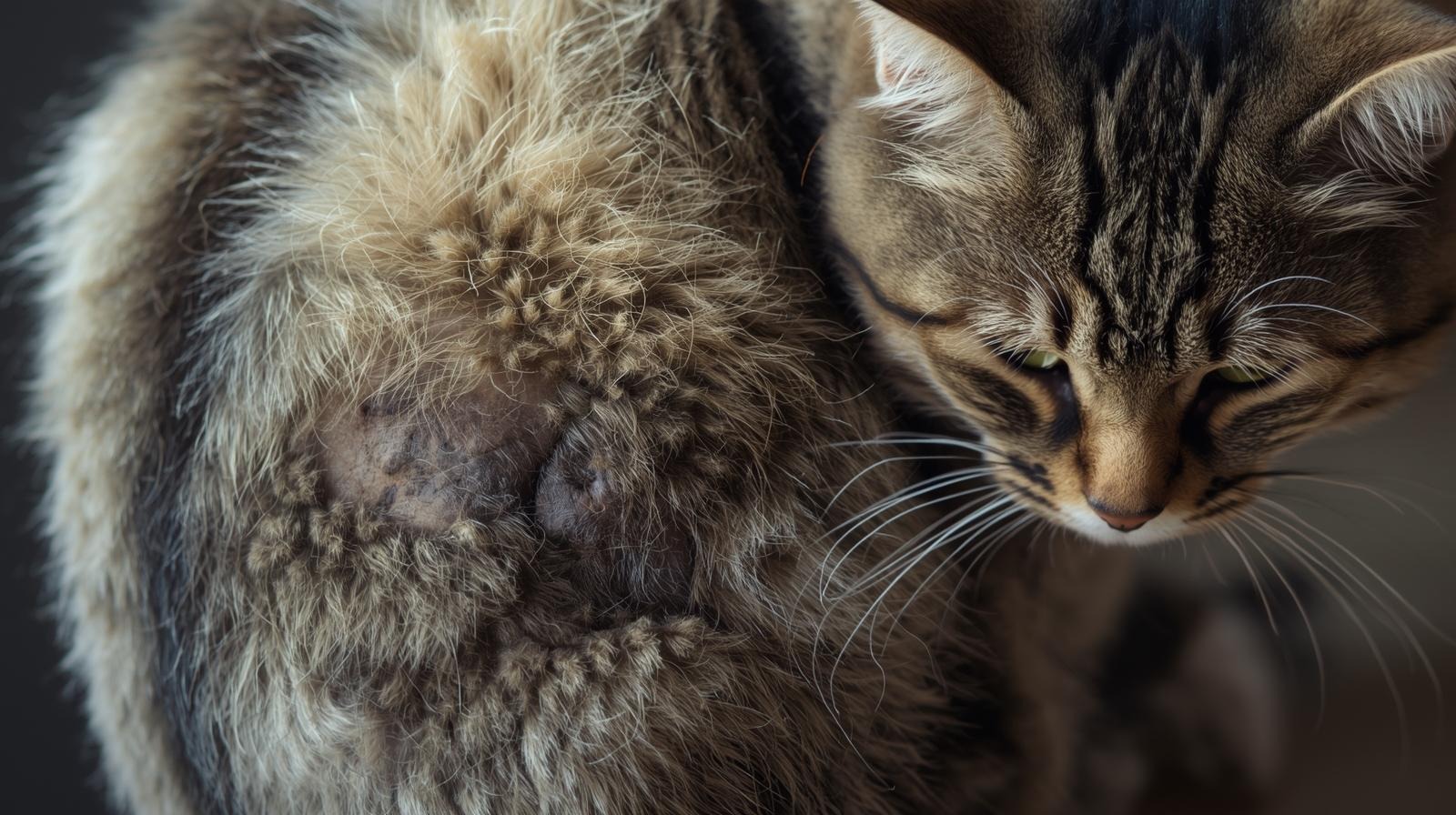
Over-grooming occurs when a cat licks, bites, or chews its fur excessively—often to the point of hair loss or skin irritation.
Common Signs
- Bald patches on belly, legs, or tail
- Red or irritated skin
- Constant licking even while resting
- Hair on lips or stuck to tongue
Over-grooming is rarely “just a habit.”
Why Cats Over-Groom More in Winter
1. Dry Skin & Itching
Low humidity dries the skin, causing itching that leads to constant licking.
2. Stress & Boredom
Indoor confinement, fewer play sessions, and routine disruption increase anxiety.
3. Temperature Discomfort
Cats groom to regulate body temperature and cope with cold stress.
4. Underlying Medical Issues
- Allergies
- Pain or arthritis
- Hormonal imbalance
If grooming is sudden or intense, consult a vet.
Talk to a MyFurries vet online
Matting in Cats: Why It Worsens in Winter
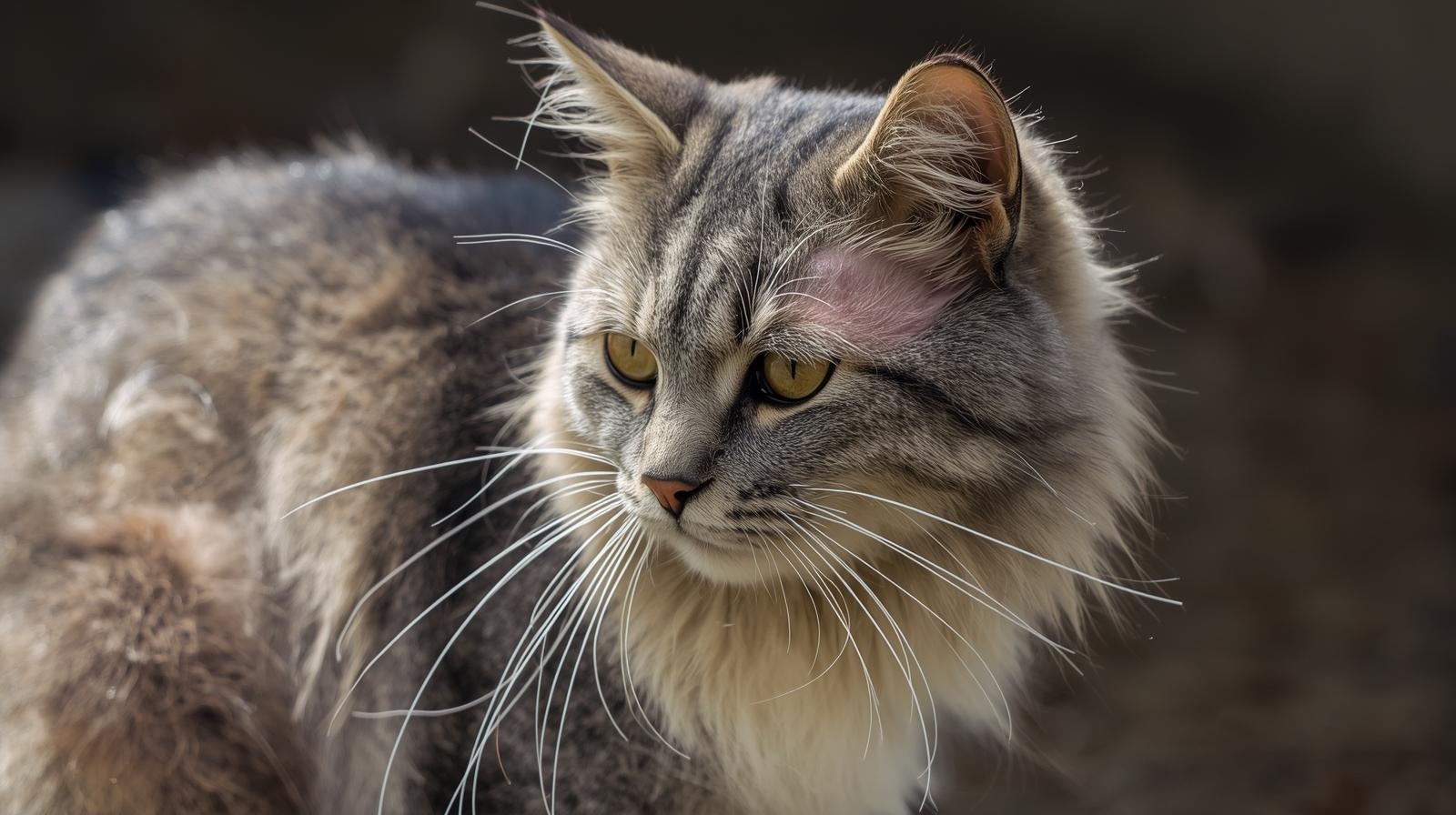
Mats form when loose hair tangles and traps moisture.
Why Winter Makes Matting Worse
- Thicker winter coats
- Less self-stretching due to cold
- Reduced brushing
- Humidity changes
High-Risk Areas
- Underarms
- Behind ears
- Belly
- Base of tail
Never cut mats with scissors. This can cause serious injuries.
Hair Loss in Cats: Normal vs Concerning
Normal
- Seasonal shedding
- Even fur thinning
Concerning
- Bald patches
- Skin redness
- Hair loss with itching
- Behavioural changes
Winter hair loss linked with grooming issues needs evaluation.
Safe Winter Grooming Tips for Cats
- Brush 3–4 times a week
- Use wide-tooth combs
- Avoid frequent baths
- Keep bedding soft and warm
- Increase play and enrichment
Never apply oils, powders, or home remedies without vet advice.
Nutrition’s Role in Coat Health
Dry skin and hair fall often indicate dietary gaps.
- Omega-3 fatty acids
- High-quality protein
- Biotin & zinc
Get a nutrition plan from a MyFurries vet
When Grooming Is a Medical Emergency
- Open wounds
- Bleeding skin
- Sudden personality changes
- Refusal to eat
Early vet intervention prevents chronic skin conditions.