
Written by the MyFurries Veterinary Team | Updated: October 29, 2025
Introduction
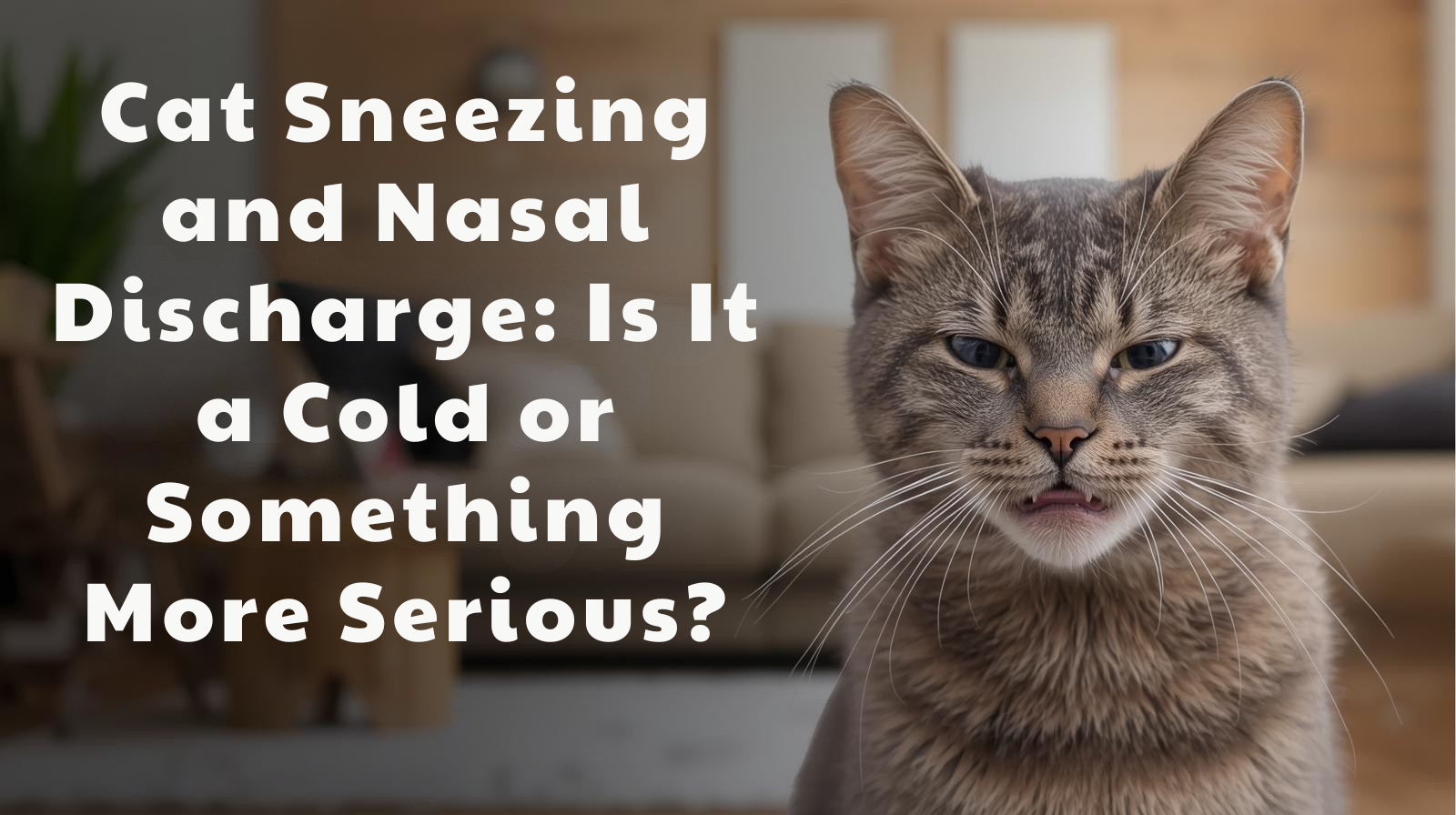
Is your cat sneezing repeatedly or has a runny nose? Just like humans, cats can catch colds and develop nasal discharge. While an occasional sneeze is harmless, persistent sneezing or mucus discharge could signal something more serious — from allergies to infections. Understanding the cause early can help you protect your cat’s health and comfort.
Why Do Cats Sneeze?
Sneezing in cats is a reflex to clear irritants from the nasal passages. It could be caused by something as simple as dust or as concerning as a respiratory infection. Common triggers include:
- Dust, pollen, or smoke in the environment
- Strong perfumes or cleaning chemicals
- Allergic reactions
- Foreign particles like grass or litter dust
- Respiratory infections (viral, bacterial, or fungal)
If your cat sneezes once in a while, there’s usually no reason to worry. However, frequent sneezing paired with nasal discharge or lethargy warrants attention.
Types of Nasal Discharge in Cats
The color and consistency of nasal discharge can tell a lot about the cause:
- Clear discharge: Often due to mild allergies or irritants.
- White or yellow discharge: Could indicate a viral infection or mild bacterial involvement.
- Green or thick mucus: Typically signals a bacterial infection or sinusitis.
- Bloody discharge: May result from trauma, dental disease, or severe infection — this needs immediate veterinary care.
Common Causes of Sneezing and Runny Nose in Cats
1. Feline Upper Respiratory Infection (URI)
This is the most common reason for cat sneezing and nasal discharge. It’s often caused by:
- Feline Herpesvirus (FHV-1)
- Feline Calicivirus (FCV)
Symptoms include: sneezing, coughing, nasal congestion, eye discharge, fever, and loss of appetite.
What to do: Keep your cat hydrated, ensure rest, and consult a vet for antiviral or supportive treatment.
2. Allergies
Cats can develop allergies to pollen, mold, dust mites, or even some types of litter.
Symptoms: sneezing, watery eyes, and clear nasal discharge.
Solution: Identify and remove allergens, switch to a dust-free litter, and use air purifiers if needed.
3. Bacterial or Fungal Infections
When a viral infection weakens the immune system, secondary bacterial infections can develop.
Symptoms: thick yellow or green discharge, lethargy, and loss of appetite.
Treatment: Antibiotics prescribed by your vet can help clear the infection.
4. Dental Problems
Infections in the upper teeth can extend into the sinuses, causing nasal discharge or sneezing.
Look for: drooling, difficulty eating, or bad breath.
Treatment: Dental cleaning or extraction if needed.
5. Foreign Object in the Nose
Small objects like blades of grass or litter particles can irritate the nasal lining.
Symptoms: sudden sneezing fits, pawing at the nose, or bloody discharge.
Action: Seek immediate veterinary help for safe removal.
When to See a Vet
- Sneezing continues for more than 2–3 days
- Colored or bloody nasal discharge
- Fever, fatigue, or loss of appetite
- Difficulty breathing or noisy respiration
Timely diagnosis can prevent a minor cold from becoming a chronic respiratory illness.
Home Care Tips for Cats with Sneezing and Runny Nose
- Keep your cat warm and stress-free
- Ensure adequate hydration and nutritious food
- Use a humidifier to ease breathing if the air is dry
- Clean the eyes and nose gently with a soft, damp cloth
- Avoid smoking or using strong fragrances near your cat
Preventing Cat Colds and Flu
- Vaccinate regularly against FHV and FCV
- Maintain hygiene in litter boxes, bowls, and bedding
- Isolate new or sick cats to prevent spread
- Provide a balanced diet to boost immunity
Final Thoughts
A sneezing cat may just have a mild irritation — but if the symptoms persist or worsen, it’s best to seek veterinary care. Early diagnosis and care ensure your furry friend stays healthy, comfortable, and purring happily.