Cat Not Using the Litter Box? Common Reasons and Easy Fixes
Is your cat refusing to use the litter box? This behavior is frustrating but surprisingly common. Moreover, it often signals a medical, emotional, or environmental trigger. In this guide, you’ll learn the most likely causes and simple fixes based on feline behavior science and veterinary advice.
Before you worry, remember this: Your cat is not doing it out of anger or spite. Cats avoid the litter box only when something feels wrong. Therefore, identifying the root cause quickly helps prevent habits from forming.
If you feel the issue may be medical, you can Ask a Vet Online instantly.
Why Is My Cat Not Using the Litter Box?
Most cats stop using the litter box due to pain, stress, dirty litter, urinary infections, or territorial changes. Medical reasons are common, so ruling out illness is important.
Medical Reasons Your Cat Is Avoiding the Litter Box
When cats associate the litter box with pain, they begin avoiding it altogether. Here are the most common medical causes.
1. Urinary Tract Infection (UTI)
Cats with UTIs experience discomfort while urinating. Therefore, they may search for softer surfaces like carpets or beds.
- Frequent attempts to pee
- Blood in urine
- Crying while urinating
2. Feline Lower Urinary Tract Disease (FLUTD)
This condition is common in indoor cats and causes inflammation, pain, and blocked urination.
3. Bladder Stones or Crystals
Sharp crystals cause pain, making the litter box a place of discomfort.
4. Kidney Disease
Older cats may produce more urine, leading to accidents if the box isn’t clean or accessible.
When to call a vet: If your cat is straining, crying, or producing little urine, seek immediate help. You can also consult a vet online.
Behavioural & Emotional Causes of Litter Box Avoidance
1. Stress and Anxiety
Cats react strongly to changes such as a new home, new pets, or loud environments. Stress can disrupt their litter box routine.
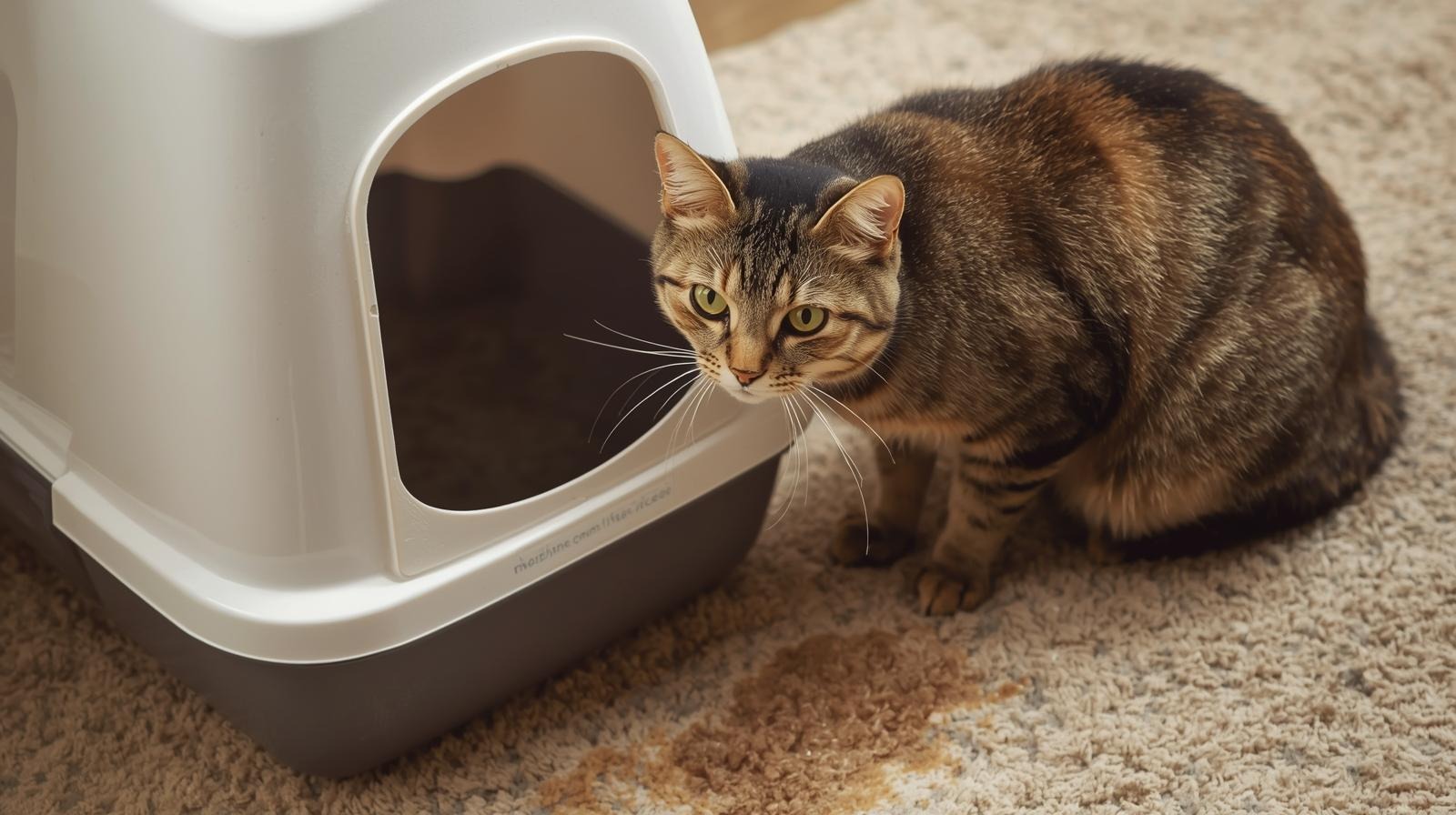
2. Dirty or Smelly Litter Box
Cats need clean, odour-free spaces. A dirty box is one of the top reasons cats avoid it.
3. Sudden Household Changes
- New furniture
- New baby or pet
- Visitors
- Moving house
Moreover, cats prefer a predictable environment. Therefore, small disruptions can trigger accidents.
4. Litter Box Placement Issues
Litter boxes should be placed in quiet, accessible areas — not in hallways, near washing machines, or close to food bowls.
Environmental Reasons Your Cat Isn’t Using the Litter Box
1. Wrong Litter Type
Cats dislike scented litter or sharp textures. Switching too fast can cause avoidance.
2. Not Enough Litter Boxes
Follow the 1+1 rule: One box per cat, plus one extra.
3. Box Too Small or Covered
Large, open boxes works best for adult cats.
How to Fix Litter Box Problems Quickly
1. Clean the Litter Box Twice a Day
Fresh litter encourages good habits.
2. Change Litter Type Slowly
Mix old and new litter for 7 days.
3. Place Boxes in Calm Areas
Choose quiet corners away from noise and foot traffic.
4. Reduce Stress Triggers
Use play therapy, predictable routines, and hiding spaces.
5. Use Enzymatic Cleaners
They remove urine smell completely, preventing repeat accidents.
Consider preventive care through the FurFit Wellness Package for early diagnosis and behaviour guidance.
Q&A
Why is my cat suddenly peeing outside the litter box?
Most cats pee outside the box due to pain, infections, stress, or a dirty litter box.
Is my cat doing this out of anger?
No. Cats never avoid the litter box out of spite. There is always a medical or behavioural reason.
How do I stop my cat from peeing everywhere?
Rule out medical issues, clean the box daily, reduce stress, and ensure correct box placement.
When should I see a vet?
If your cat strains, cries, or produces little urine, get urgent help.
Conclusion
Cat litter box issues are always a sign of discomfort, stress, or an unsuitable litter environment. By understanding the cause and making simple changes, you can restore your cat’s habits quickly. Moreover, early intervention prevents long-term behavioural issues.
For personalised advice, connect with a vet instantly through MyFurries Online Vet Consult. You can also read more guides on the Pet Health Blog.