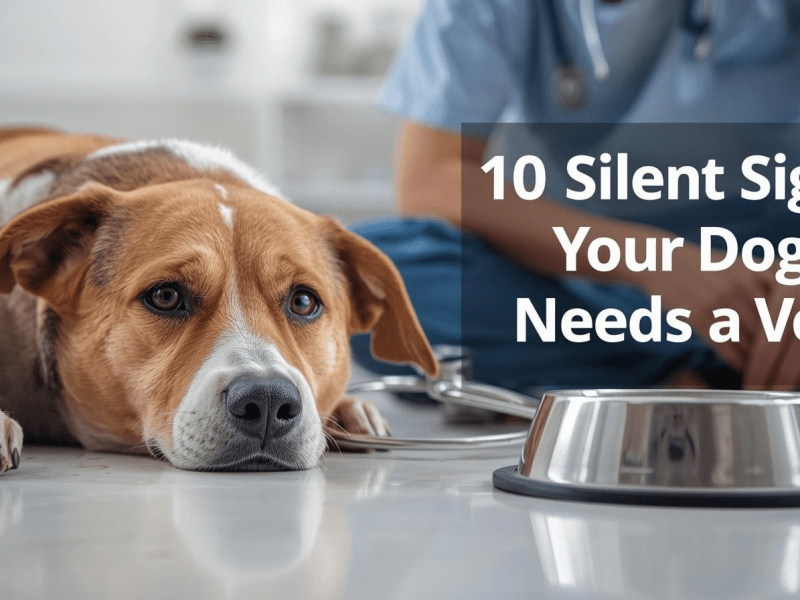

A healthy dog usually has a strong appetite. When your dog suddenly refuses food, it can be worrying for any pet parent.
While occasional appetite fluctuations are normal, persistent loss of appetite can signal underlying medical issues. From mild digestive upset to serious infections, many conditions can cause dogs to stop eating.
Understanding the potential reasons helps you decide when the situation requires immediate veterinary attention.
Early advice can prevent serious illness.
👉 Consult a MyFurries Veterinarian Online
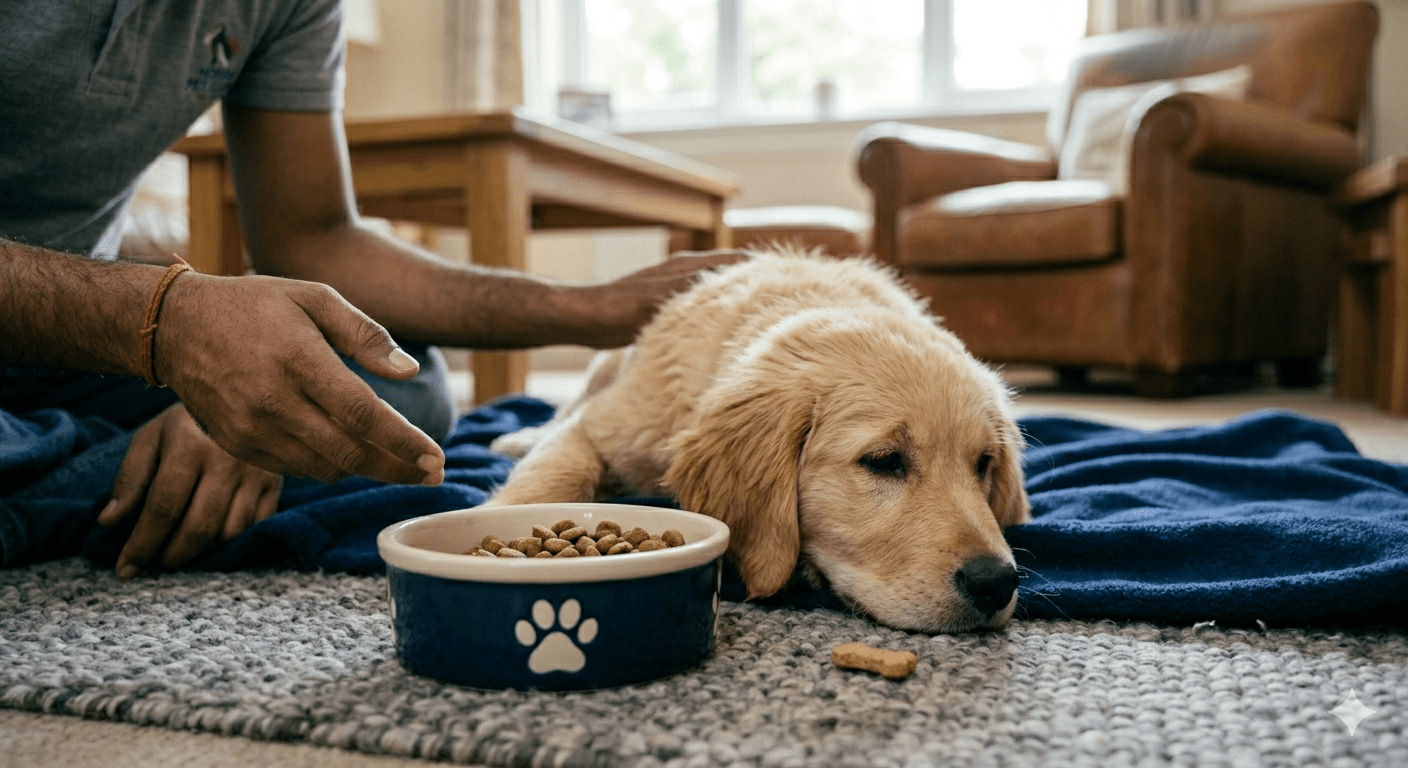
Is It Normal for Dogs to Skip a Meal?
Occasionally skipping a meal is not always dangerous. Dogs may lose interest in food due to temporary stress, changes in routine, or mild digestive upset.
However, if a dog refuses food for more than 24 hours, especially puppies or senior dogs, it should never be ignored.
Appetite loss is often the first symptom of illness.
15 Common Reasons Dogs Suddenly Stop Eating
1. Digestive Upset
Dogs frequently develop mild stomach upset after eating spoiled food, garbage, or unfamiliar treats.
Symptoms may include vomiting, diarrhea, or nausea.
2. Dental Pain
Tooth infections, gum disease, or broken teeth can make chewing painful.
Dogs experiencing dental pain may approach food but refuse to eat.
3. Stress or Anxiety
Changes in environment such as moving homes, travel, or loud noises can affect appetite.
Some dogs temporarily stop eating due to emotional stress.
4. Sudden Diet Changes
Dogs have sensitive digestive systems. Abruptly switching food brands may cause stomach discomfort and loss of appetite.
Veterinarians recommend transitioning diets gradually over several days.
5. Parasite Infections
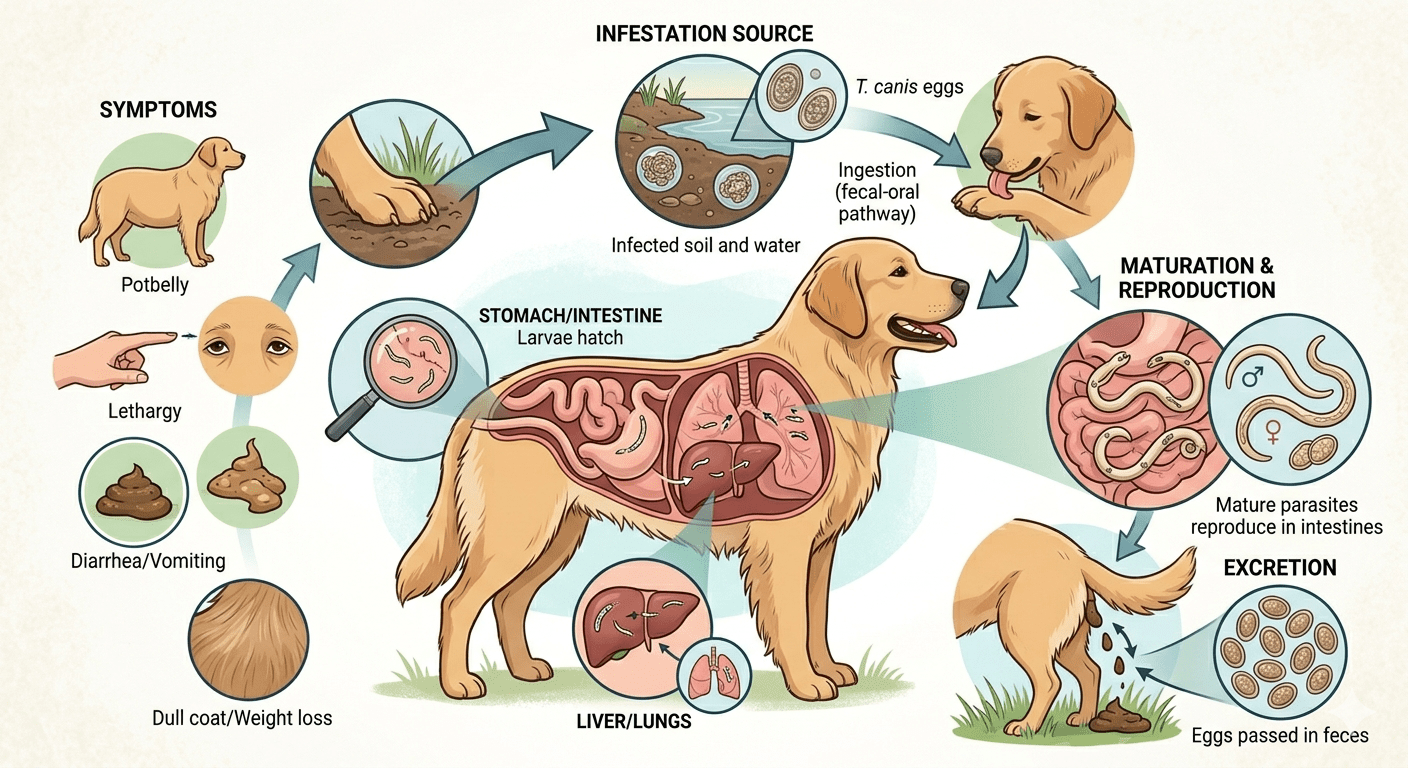
Internal parasites such as roundworms, hookworms, and tapeworms can affect digestion and appetite.
Puppies are particularly vulnerable to parasite infections.
6. Viral Infections
Diseases like parvovirus or distemper can cause sudden appetite loss along with vomiting, fever, and lethargy.
Immediate veterinary care is critical for viral infections.
7. Kidney Disease
Kidney problems often cause nausea, fatigue, and reduced appetite.
Older dogs are more prone to kidney disorders.
8. Liver Disease
The liver plays a key role in metabolism and digestion. Liver disease frequently leads to appetite changes.
9. Pain or Injury
Dogs experiencing pain from injuries or internal inflammation may stop eating.
10. Intestinal Blockage
Dogs sometimes swallow objects such as toys, bones, or cloth.
An intestinal blockage can quickly become life-threatening.
11. Medication Side Effects
Some medications can cause nausea or appetite suppression.
12. Heat Stress
During hot weather, dogs may temporarily lose interest in food.
13. Aging
Senior dogs often experience reduced appetite due to metabolic changes.
14. Food Boredom
Some dogs simply become bored with repetitive diets and show temporary food refusal.
15. Serious Illness
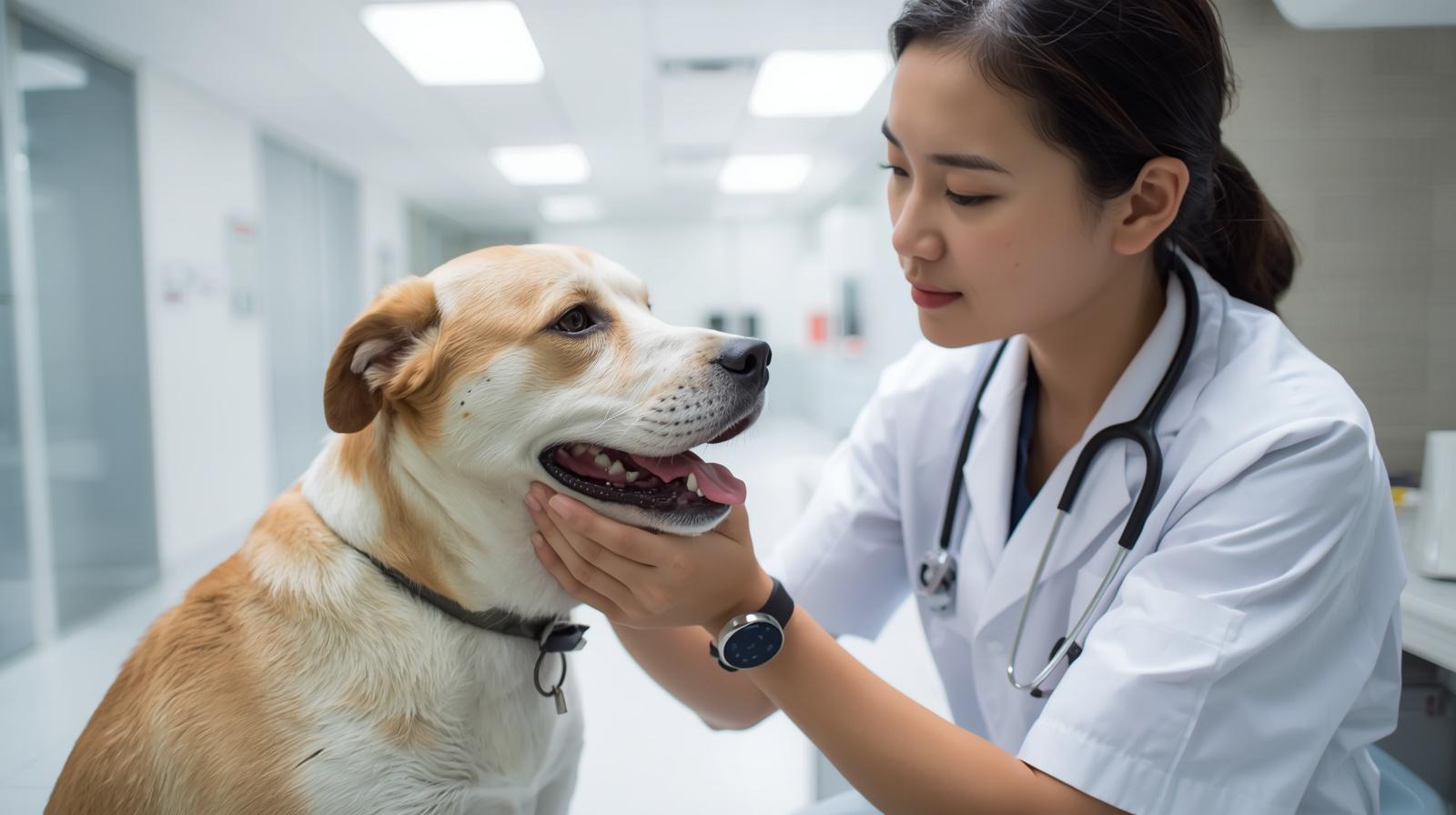
Chronic diseases such as cancer or severe infections often lead to appetite loss.
Warning Signs That Require Immediate Veterinary Attention
If appetite loss occurs alongside the following symptoms, consult a veterinarian immediately:
- Repeated vomiting
- Severe lethargy
- Diarrhea
- Weight loss
- Fever
- Difficulty breathing
Speak to an experienced veterinarian today.
👉 Book a MyFurries Vet Consultation
What You Can Do at Home First
If your dog skips one meal but appears active, you can try these steps:
- Offer fresh water
- Serve a small portion of bland food such as boiled chicken and rice
- Ensure the environment is calm and stress-free
However, persistent appetite loss requires veterinary evaluation.
Why Early Vet Consultation Matters
Loss of appetite may appear minor but can be the earliest sign of serious disease.
Early diagnosis improves treatment success and reduces medical costs.
How MyFurries Supports Pet Parents
MyFurries provides online veterinary consultations that help pet parents quickly assess symptoms and decide on next steps.
Instead of waiting for symptoms to worsen, you can receive professional guidance from experienced veterinarians.
Conclusion
A dog refusing food should never be ignored, especially if the behavior continues beyond a day.
By understanding the common causes of appetite loss, pet parents can take timely action and ensure their dog receives proper care.
If your dog has suddenly stopped eating, consult a veterinarian to identify the underlying cause.
Frequently Asked Questions
How long can a dog go without eating?
Most healthy adult dogs can survive for several days without food, but loss of appetite beyond 24 hours requires veterinary attention.
What should I feed a dog that refuses food?
Bland foods such as boiled chicken and rice may help temporarily, but persistent refusal requires medical evaluation.
Should I worry if my puppy stops eating?
Yes. Puppies can become weak quickly, and appetite loss should always be evaluated by a veterinarian.
—