Vet-reviewed advice • Updated January 4, 2026
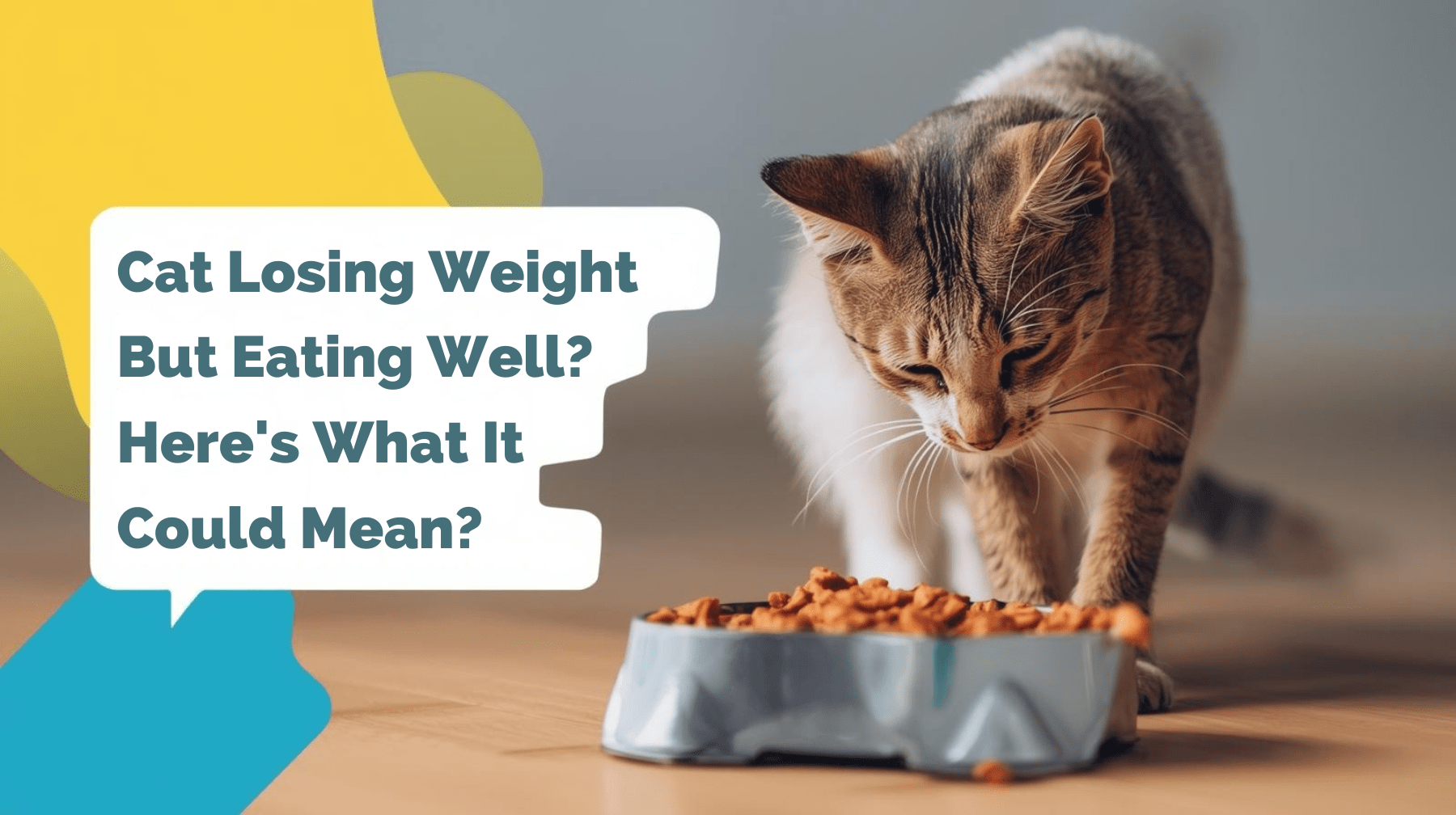
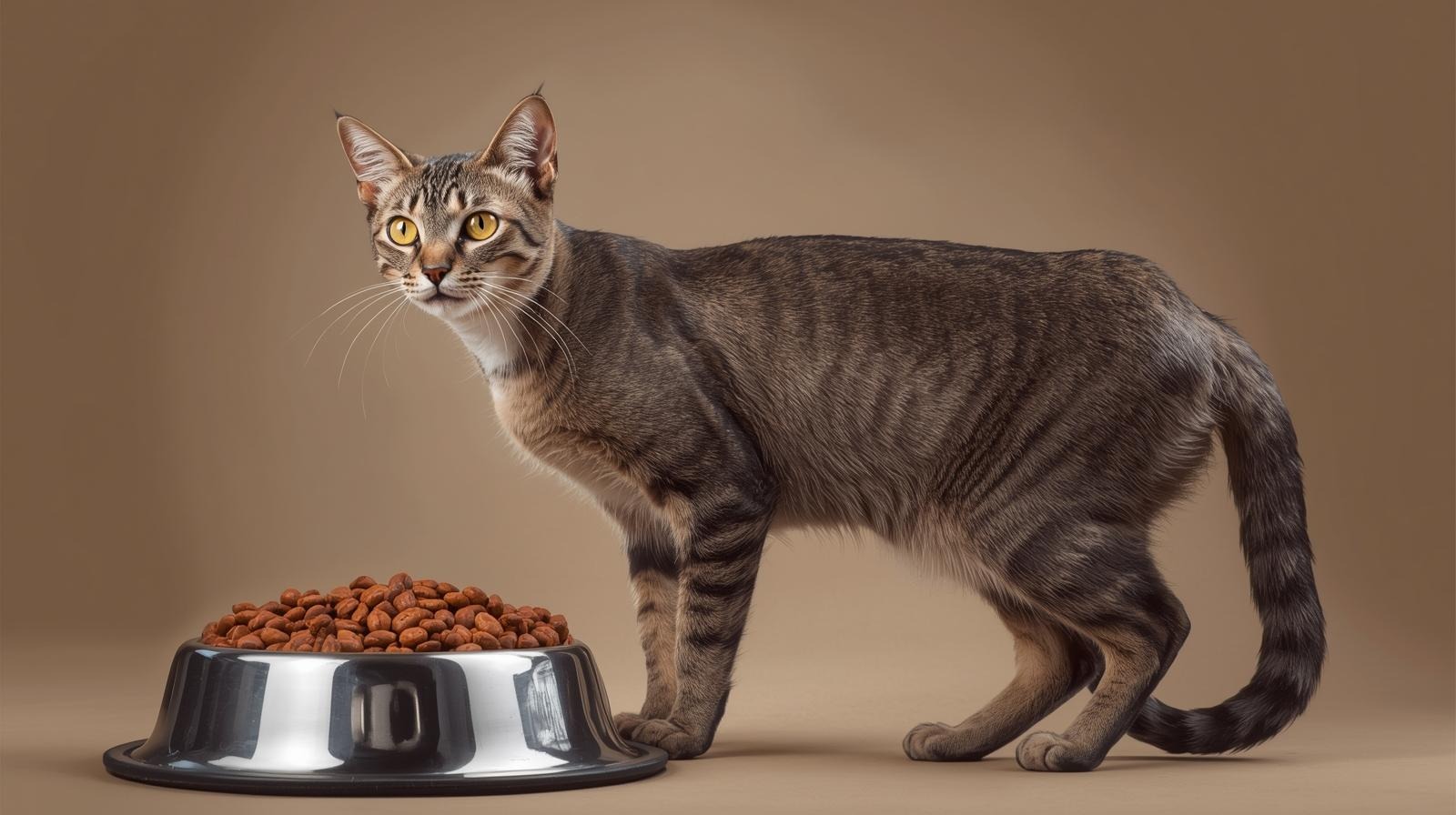
Is your cat losing weight but eating well? This situation worries many pet parents. However, it’s often a sign that something is wrong internally. Therefore, acting quickly helps your cat recover faster. Below, you’ll find the top causes, the tests vets recommend, and practical steps to help your cat regain healthy weight.
How serious is it when a cat loses weight while still eating?
Unexplained weight loss is a red flag. Cats have small energy reserves. Therefore, unaddressed weight loss can quickly lead to weakness and illness. In short, this issue needs medical attention.
Top medical causes of weight loss when cats keep eating
Below are the most common medical reasons your cat may lose weight despite a good appetite.
1. Hyperthyroidism
What it is: An overactive thyroid gland increases metabolism.
Signs: Increased appetite, weight loss, restlessness, and more frequent bowel movements.
2. Diabetes Mellitus
What it is: Insulin problems cause poor nutrient use and weight loss.
Signs: Increased thirst, increased urination, good appetite but weight loss.
3. Intestinal Parasites
Parasites (worms) can steal nutrients and cause weight loss. This is common in outdoor cats and kittens.
Signs: Poor coat, visible worms, or soft stool. However, signs can be subtle.
4. Exocrine Pancreatic Insufficiency (EPI) & Malabsorption
These conditions stop the pancreas or intestines from absorbing nutrients. As a result, cats eat but don’t gain weight.
Signs: Chronic diarrhea, greasy stools, and poor hair condition.
5. Inflammatory Bowel Disease (IBD) and Gastrointestinal Cancer
Chronic intestinal inflammation or tumours prevent nutrient uptake. Therefore, weight loss occurs even with a normal appetite.
6. Dental Disease and Oral Pain
Sometimes cats eat but don’t chew well because of dental pain. They may nibble but fail to process enough calories.
Signs: Drooling, pawing at mouth, avoiding dry food.
7. Chronic Kidney Disease (CKD)
Kidney disease causes metabolic changes. Cats often lose weight as the disease progresses.
Signs: Increased drinking, increased urination, decreased appetite (but not always early on).
How your vet will investigate unexplained weight loss
Vets follow a stepwise approach to find the cause. Therefore, expect a combination of history, exam and tests:
- Full physical exam — body condition, dental check, palpation.
- Blood tests — CBC, biochemistry, thyroid levels.
- Urinalysis — looks for diabetes and kidney signs.
- Fecal exam — checks for intestinal parasites.
- Faecal PCR or parasite panels — when routine tests are negative.
- Imaging — X-ray or abdominal ultrasound to spot tumours or intestinal disease.
- Endoscopy / Biopsy — if IBD or cancer is suspected.
Immediate at-home steps while you wait for tests
While you arrange veterinary tests, do the following to support your cat safely.
1. Offer small frequent meals
Feed 4–6 small meals per day. This reduces digestive load and increases calorie intake.
2. Use calorie-dense, palatable food
Choose senior or recovery formulas that are high in calories and easy to digest.
3. Warm the food slightly
Warming releases aroma and encourages eating — but never serve hot food.
4. Treat dental pain
If your cat avoids hard food, switch to canned food until your vet checks the mouth.
5. Keep your cat calm
Stress increases metabolism and can worsen weight loss. Provide quiet, warm resting places.
When weight loss is an emergency
Contact a vet immediately if your cat shows any of these:
- Severe lethargy or collapse
- Refuses to eat for 24+ hours
- Visible jaundice (yellow gums/eyes)
- Severe vomiting or diarrhea
- Marked weight loss in a short time
Treatment options depending on the diagnosis
Treatment follows the diagnosis. Here are common approaches.
Hyperthyroidism
- Anti-thyroid medication or radioactive iodine therapy
- Dietary management
Diabetes
- Insulin therapy and glucose monitoring
- Dietary changes to low-carbohydrate diets
Parasites & EPI
- Anthelmintics for worms
- PANCREATIC enzyme supplements for EPI
IBD or Intestinal Cancer
- Diet trials, anti-inflammatory meds, or immunosuppressants for IBD
- Surgery and oncology referral for cancer
Feeding strategies for safe weight gain
After diagnosis, vets help you choose the right caloric plan. However, general tips include:
- High-quality protein sources
- Moderate healthy fats for calories
- Digestible carbohydrates if tolerated
- Use appetite stimulants only under vet advice
Monitoring progress at home
Weigh your cat weekly and record results. Moreover, watch for behaviour, appetite, and stool changes.
Q&A
Q: Why is my cat losing weight but still eating a lot?
A: The most likely causes are hyperthyroidism, diabetes, or malabsorption. Your vet will do blood tests and fecal checks to find the cause.
Q: Can stress cause weight loss in cats?
A: Yes. Chronic stress raises metabolic demands and reduces nutrient absorption. Reducing stress helps, but medical causes must be ruled out first.
Q: How quickly will my cat gain weight after treatment?
A: It depends on the cause. Parasite treatment can show improvement in days. Hormonal or intestinal problems may take weeks with ongoing care.
Internal resources & support
- Book an Online Vet Consult
- Read more Pet Health Articles
- FurFit Wellness Package — ongoing care & nutrition planning
Conclusion
If your cat is losing weight but eating well, don’t wait. This pattern often points to a treatable medical condition. Therefore, get a vet check, follow recommended tests, and adopt short-term feeding strategies to support your cat while you pursue a diagnosis. With timely care, many cats recover and return to a healthy weight.
Written and reviewed by the MyFurries veterinary team — practical, evidence-based advice for pet parents.