
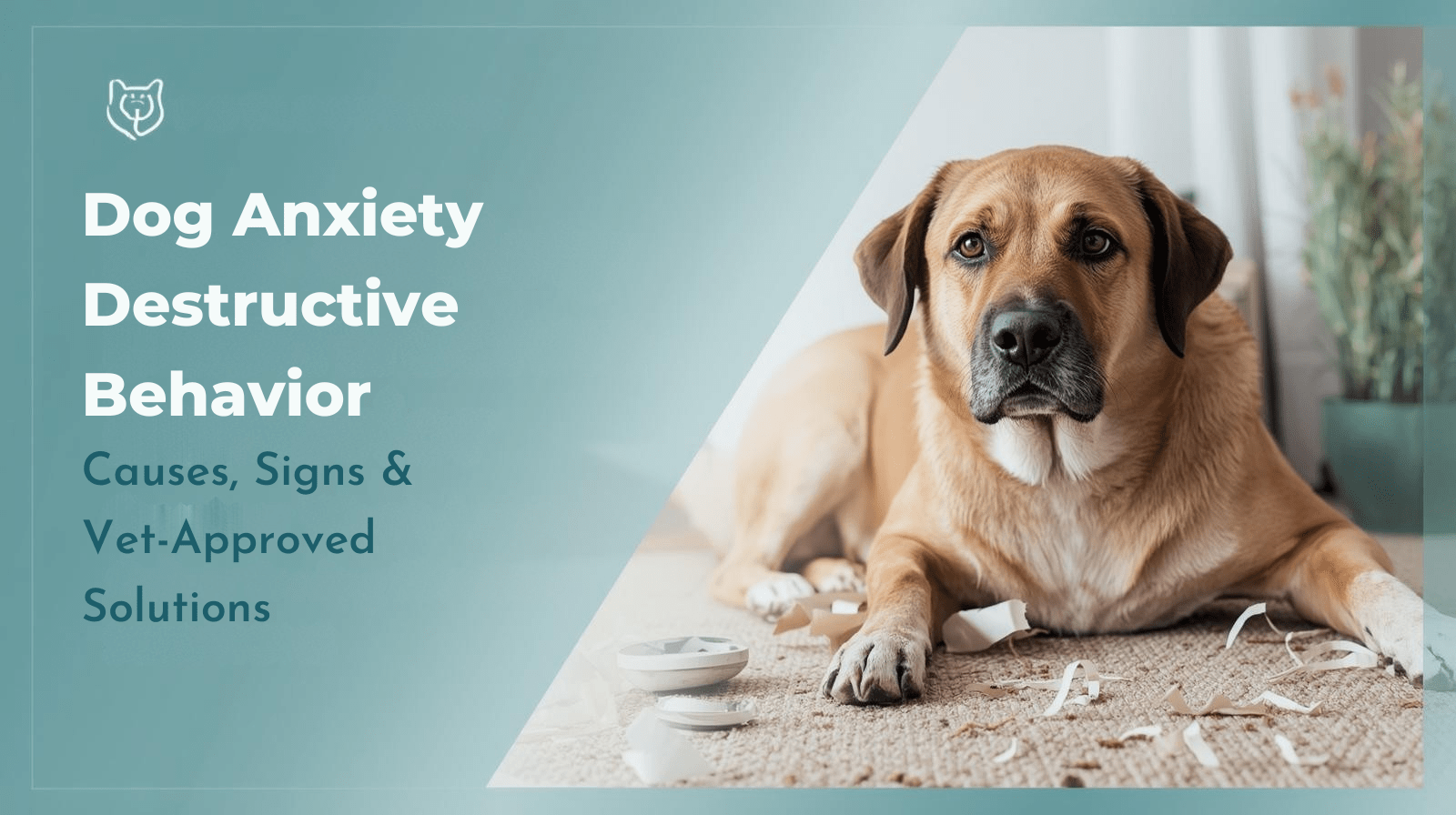
Is your dog suddenly chewing furniture, scratching doors, or barking nonstop? Destructive behaviour in dogs is often a clear sign of anxiety. Many Indian pet parents misread it as “bad behaviour,” but it’s usually a cry for help. This guide explains the real causes of dog anxiety and destructive behaviour, symptoms to watch for, and the safest ways to calm your dog—approved by veterinarians.
If your dog’s anxiety seems severe or sudden, you can consult a vet online on MyFurries in minutes.
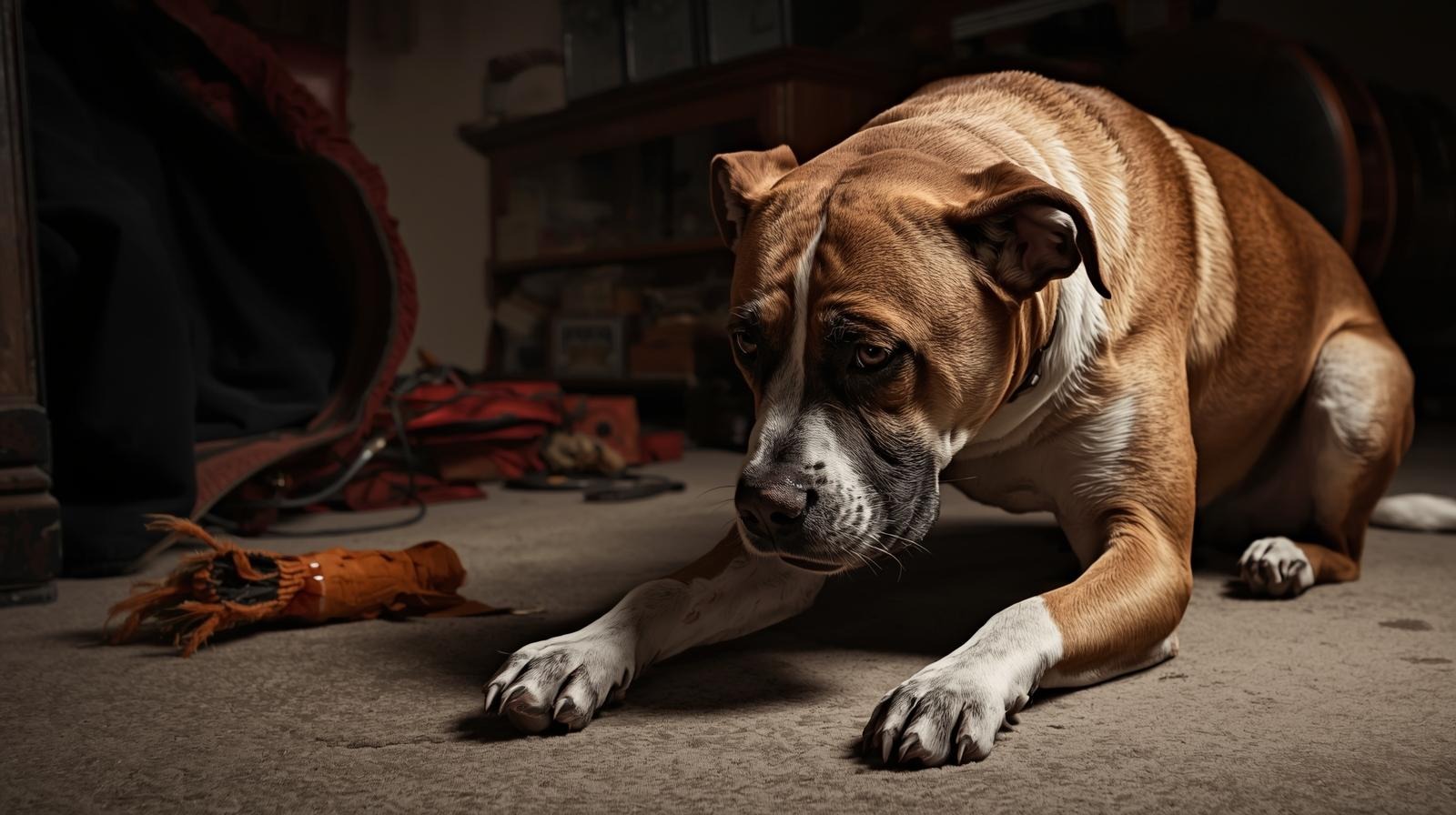
What Is Dog Anxiety?
Dog anxiety is emotional distress triggered by fear, uncertainty, or lack of stimulation. When anxiety builds up, many dogs express it through destructive behaviors like chewing, scratching, digging, and excessive barking.
Therefore, recognizing the root cause early prevents long-term behavioural issues.
Common Signs of Dog Anxiety
- Chewing shoes, furniture, beds
- Digging carpets or floors
- Scratching doors and windows
- Excessive whining or barking
- Pacing, trembling, hiding
- Sudden aggression or irritability
- Urinating indoors even if potty-trained
Why Dogs Show Destructive Behaviour
1. Separation Anxiety
One of the most common causes. Dogs panic when left alone because they fear abandonment. This often leads to:
- Door scratching
- Howling and barking
- Chewed doors, blinds, or sofas
Voice Search Answer: “Dogs destroy things when left alone because separation anxiety causes panic and stress.”
2. Lack of Exercise or Mental Stimulation
Under-stimulated dogs release bottled-up energy through destructive outlets. High-energy breeds like Labradors, Beagles, Indies, German Shepherds and Huskies need structured activity.
3. New Environment or Routine Change
Moving homes, new family members, new pets, or changes in feeding/walking times can cause stress.
4. Past Trauma or Abuse
Adopted or rescued dogs may have deep-rooted fears that trigger destructive coping mechanisms.
5. Noise Phobia (Fireworks, Thunder, Construction)
Loud unexpected sounds can send dogs into panic mode. Many show destructive behaviour during festivals and storms.
6. Medical Issues
Sometimes the behaviour isn’t mental—it’s physical. Pain, neurological issues, hormonal imbalance, or skin irritation can also cause anxiety.
If you notice sudden behaviour changes, book a Consult with our Dog Behaviour expert MyFurries online Dog Behavior Expert for an immediate assessment.
How to Calm Dog Anxiety and Stop Destructive Behaviour
1. Increase Physical Exercise
A tired dog is a calm dog. Daily structured walks reduce anxiety and destructive outbursts.
2. Add Mental Enrichment
- Puzzle toys
- Sniffing games
- Chew toys (approved)
- Training sessions
3. Create a Safe Space
Use a quiet corner with their bed, toys, and water. Dogs feel calmer when they know they have a protected space.
4. Reduce Triggers Gradually
Desensitize dogs to separation or noises using slow, controlled exposure.
5. Try Calming Aids
- Dog calming sprays
- White noise machine (for fireworks/thunder)
- Weighted blankets
- Vet-approved anxiety supplements
6. Behaviour Training
Positive reinforcement is key. Avoid scolding—punishment worsens anxiety.
7. Veterinary Treatment
In severe cases, medication or behaviour therapy may be required. A vet can assess your dog’s emotional and physical health.
Start with an online consultation here: Ask a Vet Online
When to See a Vet Immediately
Seek vet help if your dog shows:
- Self-harm (biting tail or paws)
- Sudden aggression
- Destructive behaviour escalating rapidly
- Refusing food or losing weight
Explore our FurFit Wellness Package for long-term behaviour & health monitoring.
Conclusion
Dog anxiety and destructive behaviour aren’t signs of a “bad dog.” They’re signs of emotional distress. By understanding triggers, offering structured support, and consulting a vet when needed, you can help your dog feel secure, calm, and confident again.
For expert help, visit the MyFurries Pet Health Blog.
Frequently Asked Questions
Why is my dog suddenly destructive?
Sudden destructive behaviour is usually caused by anxiety, new changes, lack of exercise, or medical issues.
What calms an anxious dog fast?
Calming techniques include slow petting, a quiet safe space, chew toys, and short walks.
Should I punish my dog for chewing?
No. Punishment increases anxiety and worsens destructive behaviour.