
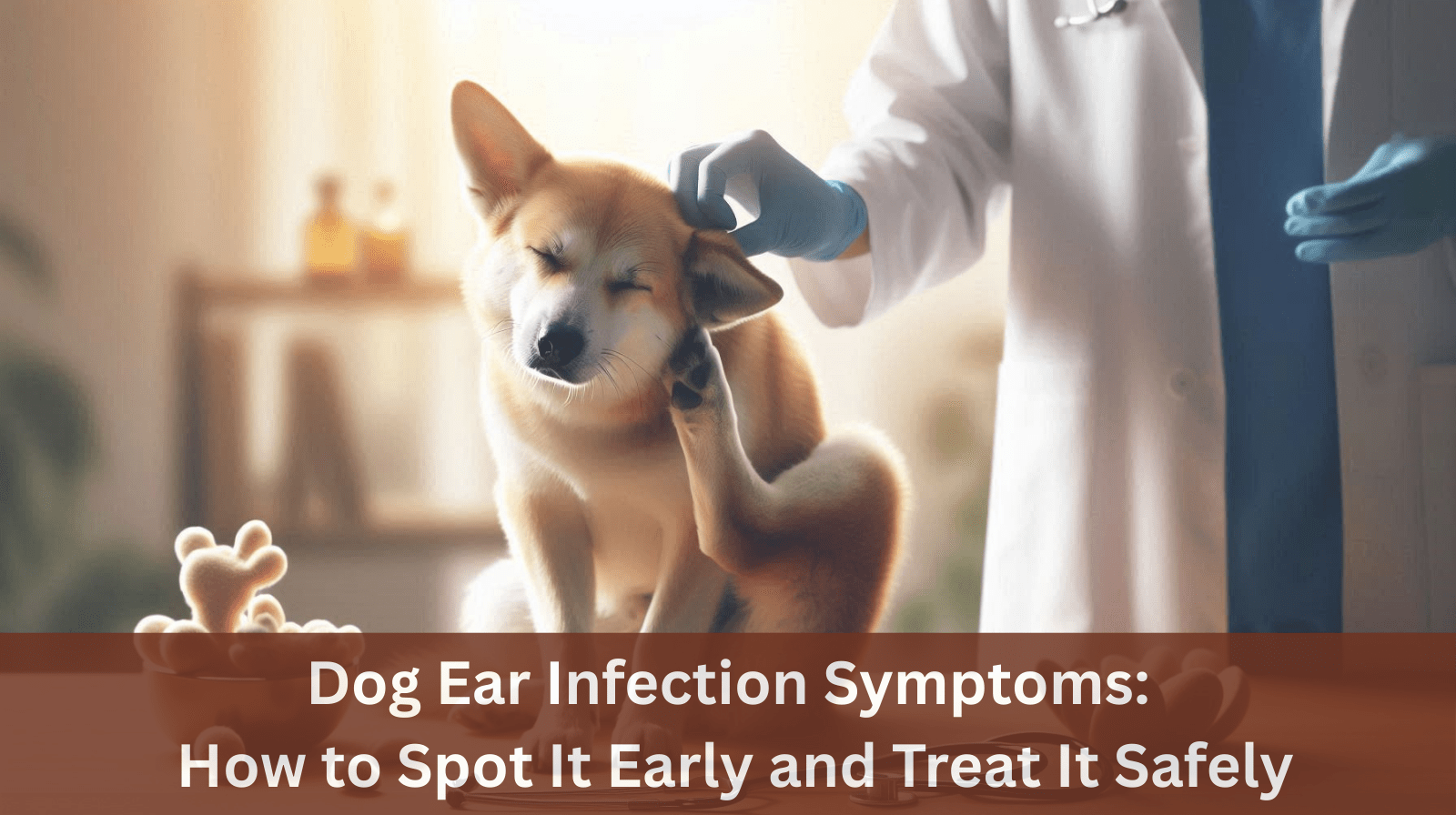
Is your dog shaking its head, scratching its ears, or giving off a strange ear smell? These are often the first signs pet parents notice when a dog develops an ear infection. Ear infections in dogs are not only painful—they can get serious very quickly if not treated on time.
In this guide, you’ll learn the earliest symptoms, home-care basics, natural remedies, prevention tips, and when to get online vet help.
👉 Need immediate help? Ask a Vet Online
🔍 What Causes Ear Infections in Dogs?
Dogs often develop ear infections due to:
- Yeast or bacterial overgrowth
- Moisture trapped after baths or swimming
- Ear mites (common in puppies)
- Allergies — food, dust, pollen
- Hair growth inside ear canals
- Foreign objects like grass seeds
❓ Voice Search Friendly Q&A
Q: What are early signs of ear infection in dogs?
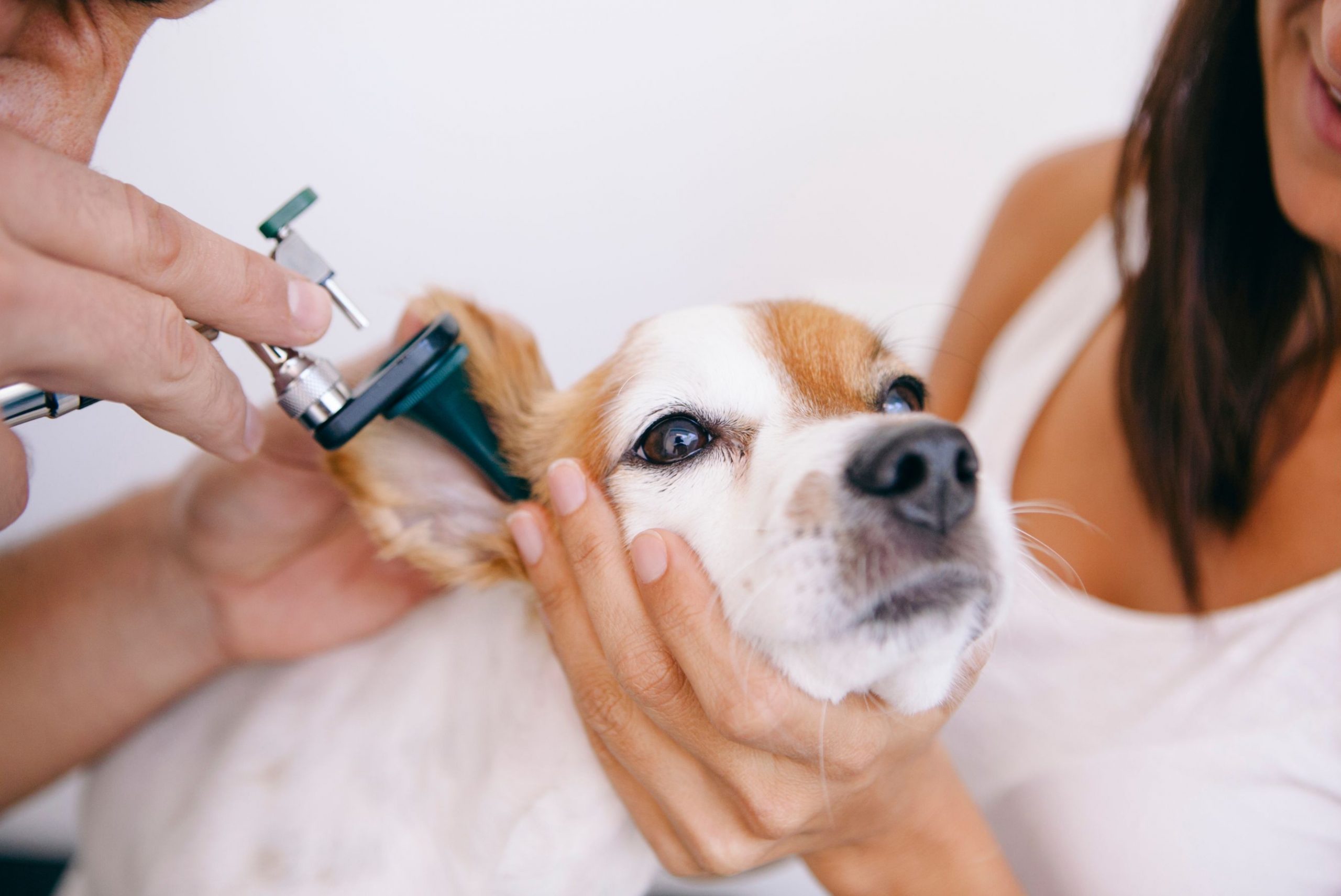
A: Early signs include head shaking, ear scratching, redness, bad smell, and yellow or brown discharge.
Q: Why does my dog keep shaking its head?
A: Head shaking usually means irritation in the ear—often due to yeast infection, mites, or trapped moisture.
Q: How can I tell if my dog’s ear smells due to infection?
A: A foul, sweet, or yeasty smell is one of the strongest indicators of an ear infection.
🐶 Top Symptoms of Dog Ear Infections
1. Excessive Ear Scratching
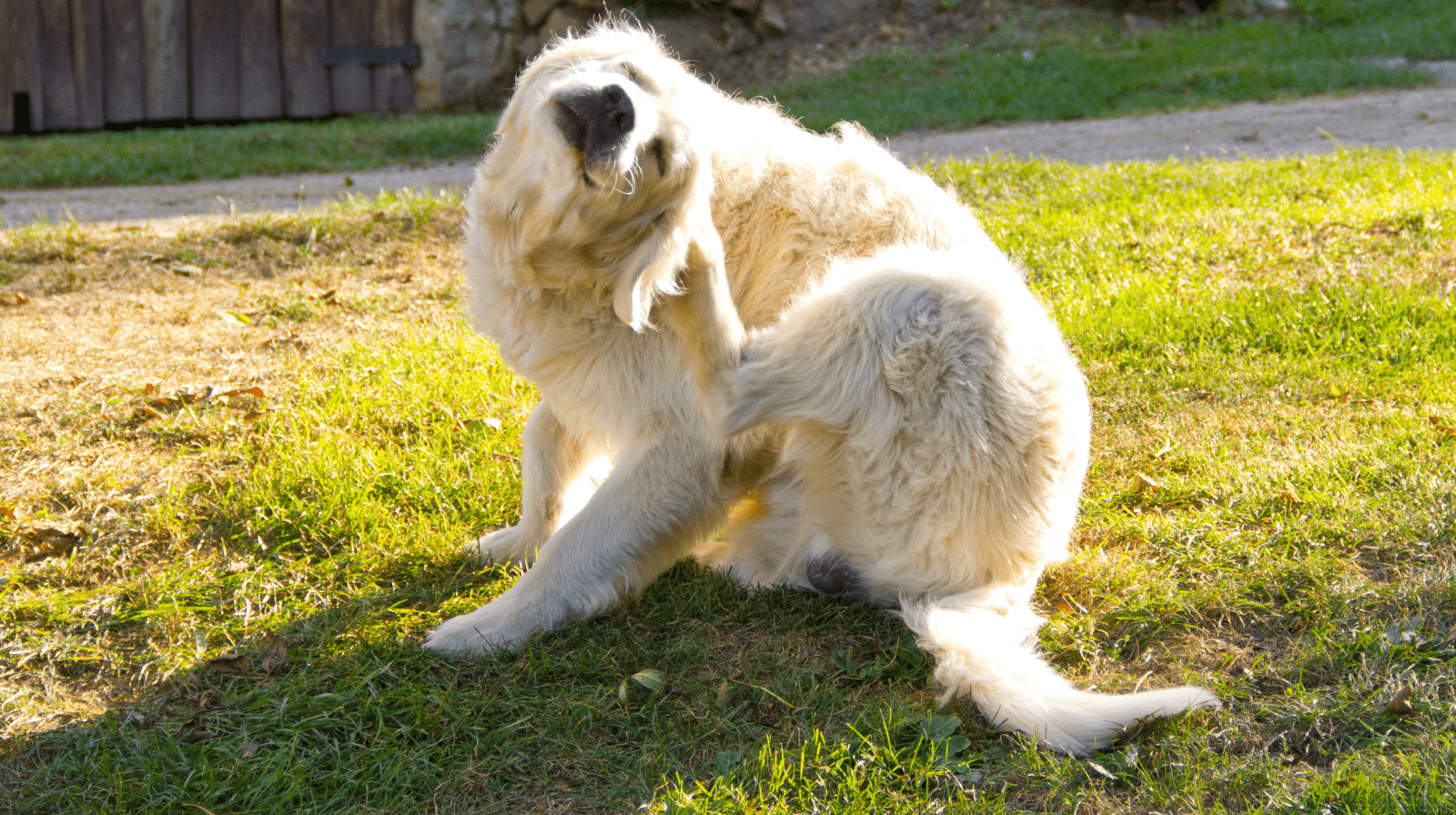
If your dog is constantly pawing at its ears, it’s a red flag.
2. Head Shaking or Tilting
This happens because the ear feels blocked or painful.
3. Bad Odor from the Ear
A yeasty or foul smell often indicates infection.
4. Redness, Swelling, or Brown Discharge
Visible irritation means your dog’s ear canal is inflamed.
5. Crusts or Scabs Around the Ear
Dogs scratch aggressively when the infection becomes painful.
6. Imbalance or Loss of Coordination
This means the infection may have affected the inner ear—seek help immediately.
Need quick expert advice? Talk to a Vet Now
🧼 Safe Home Care for Mild Dog Ear Infections
At-home care may help when the infection is mild:
- Use a vet-approved ear cleaning solution
- Gently wipe the ear with cotton (never insert buds)
- Keep ears dry after baths
- Trim excess hair around ears
⚠️ Do NOT use oils, vinegar, or home remedies without vet approval—they can worsen the infection.
🌿 Natural Remedies That Support Healing (Vet-Approved)
- Aloe vera gel (cooling effect)
- Coconut oil (mild antimicrobial)
- Chamomile rinse (soothing for itchy ears)
- Omega-3 supplements to reduce inflammation
For long-term ear and skin health, explore the FurFit Wellness Package.
❗ When to Seek a Vet Immediately
If your dog shows any of these, you should consult a vet right away:
- Thick yellow or dark brown discharge
- Blood from the ear
- Strong smell
- Dog crying or avoiding touch
- Loss of balance
- Repeated ear infections
Get instant help from a qualified veterinarian: Ask a Vet Online
📌 How to Prevent Ear Infections in Dogs
- Clean ears weekly
- Keep ears dry after swimming
- Use ear wipes for maintenance
- Regular grooming for long-eared breeds
- Manage allergies with proper diet
For year-round preventive care, check out FurFit Wellness Package.
❓ FAQ: Quick Answers for Pet Parents
1. Can dog ear infections go away on their own?
No, most infections need cleaning and medication.
2. What is the fastest way to help a dog with an ear infection?
Proper cleaning + vet-prescribed drops.
3. Are ear infections painful for dogs?
Yes — they can become very painful if untreated.
4. Can allergies cause ear infections?
Absolutely. Allergies are one of the leading causes.