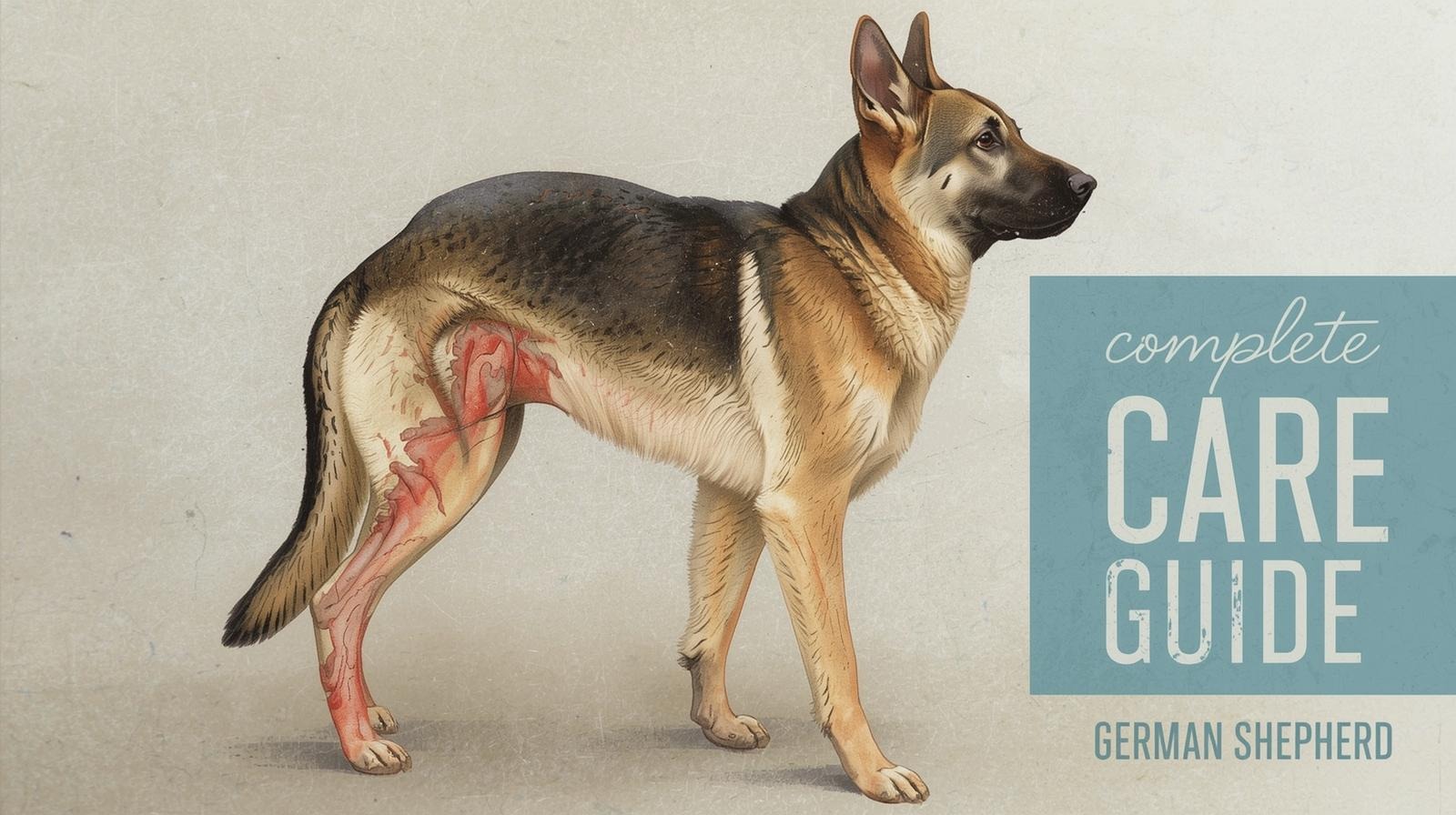
Worried about your German Shepherd’s hind legs, itchy skin, or frequent stomach issues? You’re not alone. GSDs are loving, loyal, and intelligent — but they also face unique health challenges due to their genetics and body structure. This guide breaks down the *most common problems* in a friendly, easy-to-understand way.
🤔 Why Do German Shepherds Develop Weak Hind Legs?
Quick Answer: Weak hind legs are mainly caused by hip dysplasia, degenerative myelopathy (DM), arthritis, or nerve damage. These issues affect mobility, balance, and muscle strength.
🔍 Detailed Causes
- Hip Dysplasia – A genetic condition where the hip joint doesn’t fit correctly.
- Degenerative Myelopathy – A spinal disease that causes progressive weakness.
- Arthritis – Age-related pain and stiffness.
- Muscle Loss – Often due to low activity or chronic pain.
- Nerve Issues – Injuries or spinal problems can affect rear leg movement.
If your GSD is stumbling, dragging paws, or reluctant to get up, consult a vet immediately. You can also speak to a vet online here: 👉 MyFurries – Ask a Vet Online
🐾 Why Do German Shepherds Have So Many Skin Problems?
Quick Answer: Because of their dense double coat, genetics, and immune sensitivity, German Shepherds frequently suffer from allergies, dermatitis, fungal infections, dry skin, and flea irritation.
Common GSD Skin Conditions
- Allergies (food, pollen, dust mites)
- Flea allergy dermatitis (FAD)
- Hot spots from moisture and scratching
- Yeast infections in humid weather
- Dry skin and flaking
Regular grooming, medicated baths, and a balanced diet help reduce flare-ups. Explore more skin care articles here: 👉 MyFurries Pet Health Blog
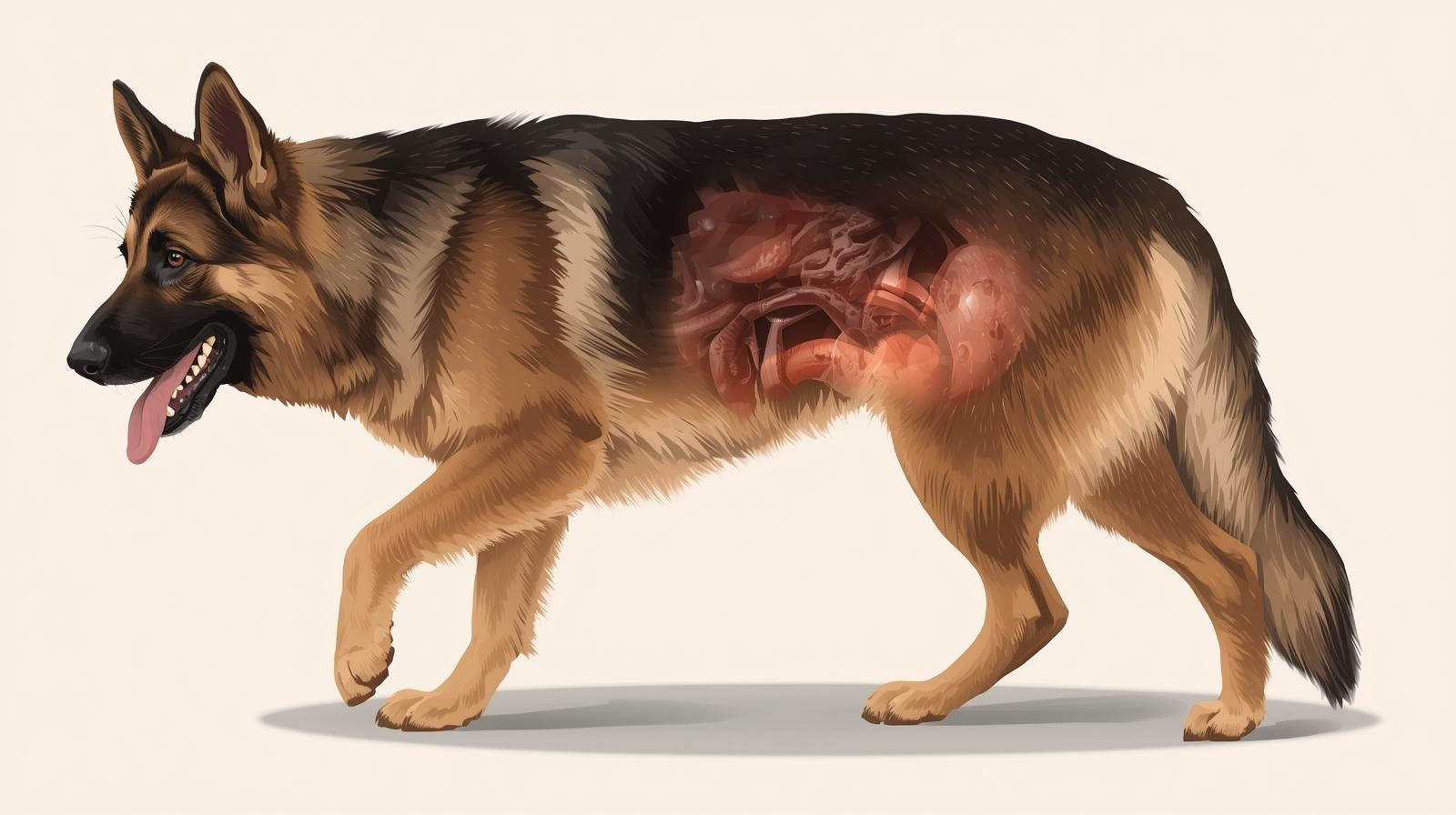
🍗 Why Do German Shepherds Have Sensitive Stomachs?
Quick Answer: Their stomach issues often come from poor digestion, low-quality protein, parasites, food allergies, or sudden diet changes.
Signs of Digestive Sensitivity
- Frequent vomiting
- Loose stool or diarrhea
- Gas and bloating
- Loss of appetite
- Weight loss
What Helps?
- Switch to easily digestible proteins (chicken, fish, lamb).
- Avoid frequent food changes.
- Add probiotics or vet-approved supplements.
- Check for worms every 3 months.
For diet planning, check out the 👉 FurFit Wellness Package for nutrition + vet support.
🩺 When to See a Vet
If your GSD shows worsening symptoms, immediate vet care is essential. You can get fast online help here: 👉 Ask a Vet Online – MyFurries
❓ FAQs: German Shepherd Health Issues
1. How can I strengthen my German Shepherd’s hind legs?
Low-impact exercises like swimming, slow walking, and physiotherapy work best. Supplements like glucosamine and omega-3 also help.
2. Are German Shepherd skin allergies lifelong?
Often yes, but they can be managed with diet, grooming, and allergy control.
3. How can I improve my German Shepherd’s digestion?
Feed easily digestible foods, avoid fatty table scraps, and maintain a fixed diet routine.
💬 Final Thoughts
German Shepherds may face more health challenges than other breeds—but with early care, the right diet, and consistent checkups, they can live long, happy, active lives. Explore more expert guides here: 👉 MyFurries Pet Health Blog