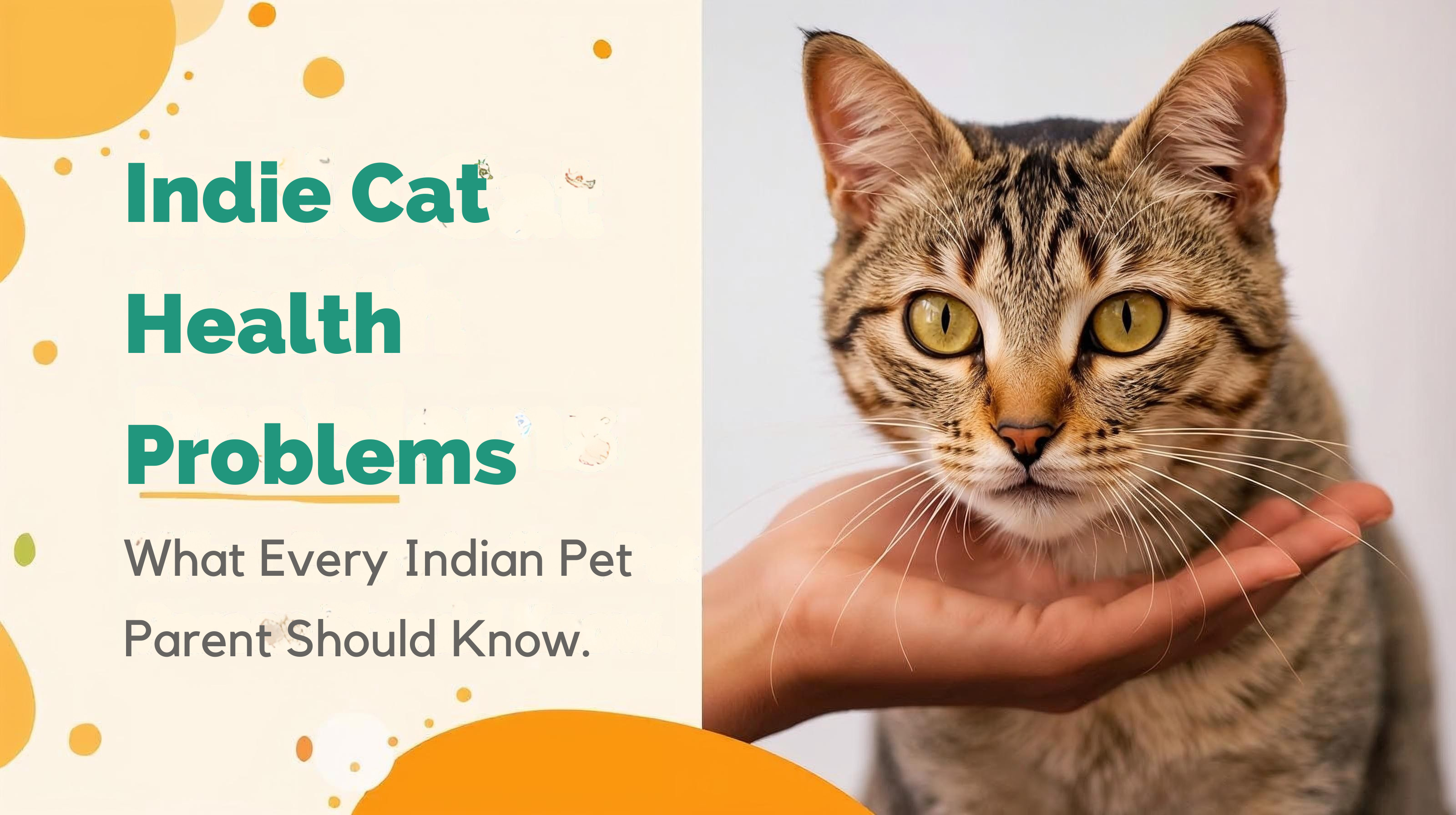
Indian or Indie cats are charming, intelligent, and resilient. They’ve survived India’s hot summers, monsoons, and bustling streets—making them natural-born survivors. But that doesn’t mean they’re immune to health problems. Let’s explore what every Indian pet parent should know about keeping their Indie cats happy and healthy.
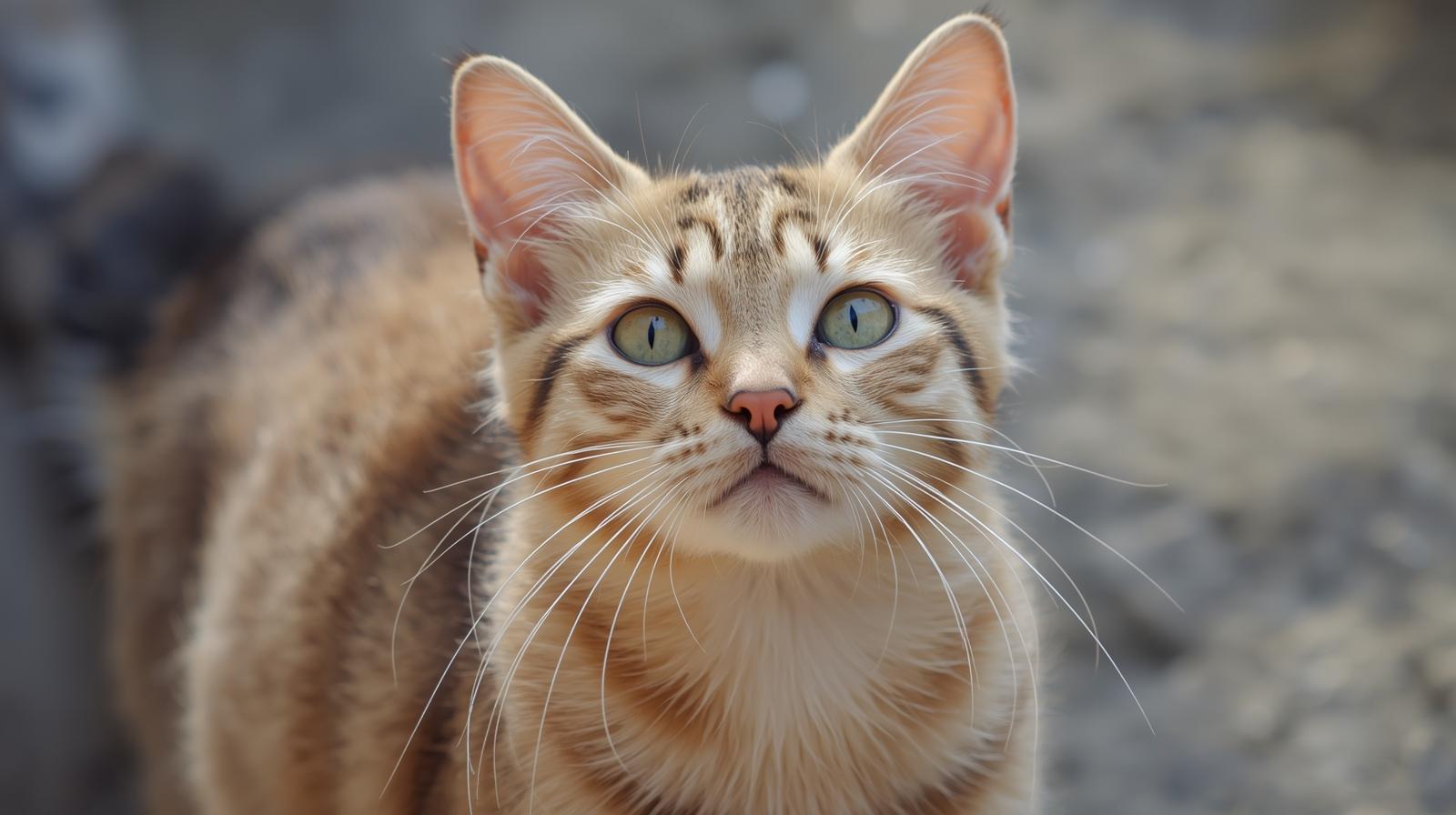
🐾 What Makes Indie Cats So Unique?
Unlike purebred cats, Indies evolved naturally in Indian environments. Their strong immune systems and alert instincts make them hardy, but they also face distinct challenges—especially when transitioning from the streets to indoor life.
💡 Quick Tip: If you’ve recently adopted an Indie, schedule an online vet consultation to create a personalized health plan.
😺 Common Health Problems in Indie Cats
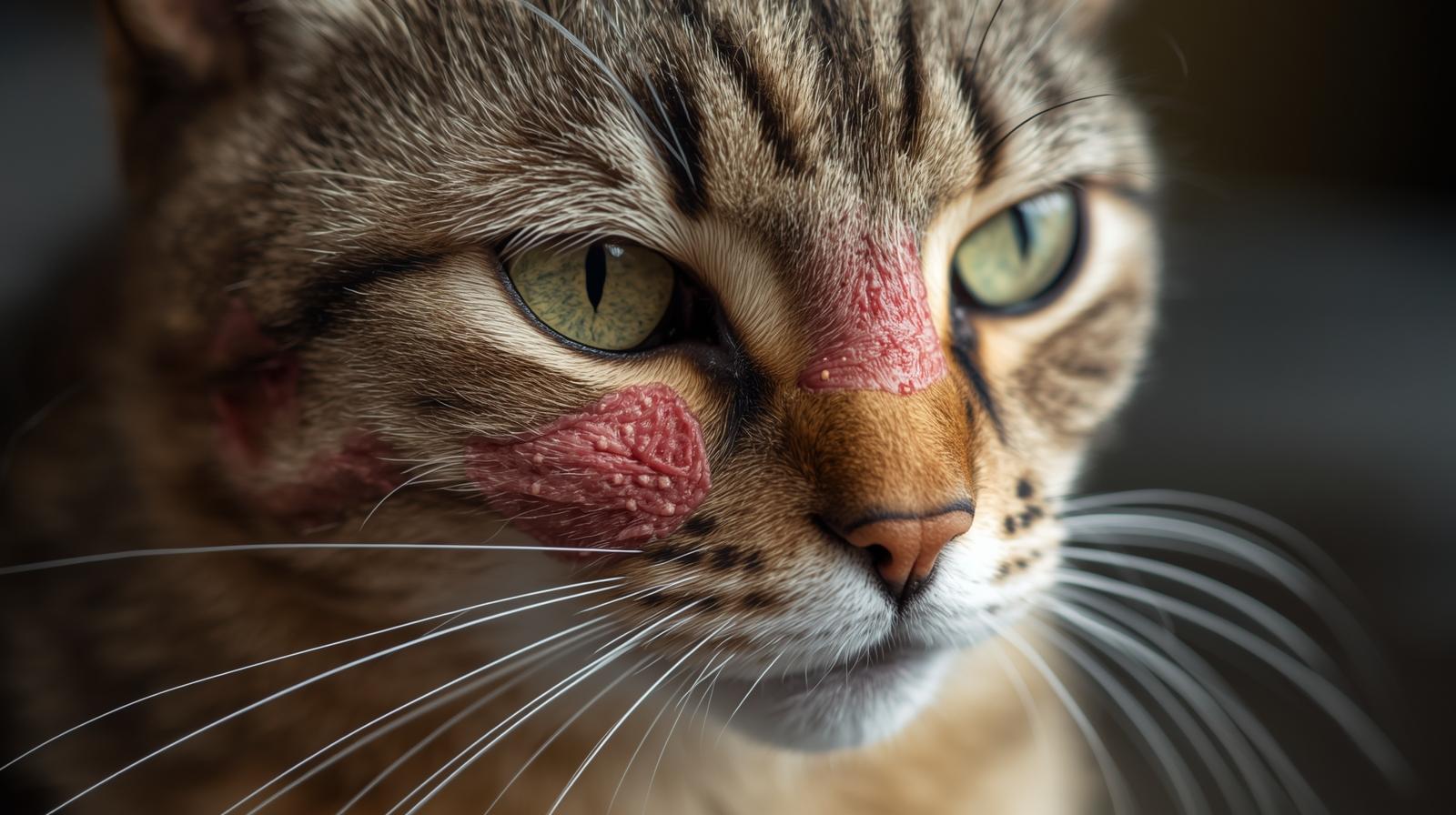
1. Skin Allergies and Itching
Hot and humid climates often lead to cat skin allergies and fungal infections. Symptoms include constant scratching, scabs, or dandruff. Poor grooming or flea bites can worsen the condition.
Natural Remedies: Bathe with cat-safe herbal shampoos, add omega-3 supplements, and keep bedding clean. For regular wellness support, try the FurFit Wellness Package by MyFurries.
2. Respiratory and Eye Infections
Street cats are often exposed to dust, pollution, and cold drafts—causing sneezing, watery eyes, or nasal discharge. These could be signs of a mild cold or a serious viral infection.
👩⚕️ Concerned about constant sneezing? Ask our vets online for a quick diagnosis.
3. Parasites and Worms
Outdoor cats often carry intestinal worms or fleas, which can cause dull coats and digestive distress. Deworm your Indie every 3 months and maintain regular flea prevention.
4. Nutritional Deficiencies
Many Indies rely on leftover food early in life. When adopted, it’s vital to switch them gradually to balanced diets rich in protein, taurine, and essential vitamins.
Need meal ideas? Browse our Pet Health Blog for expert diet guides.
🥗 What Should You Feed an Indie Cat?
Indie cats thrive on a balanced combination of wet food, meat protein, and hydration. Avoid spicy, salty, or oily human food. Fresh, home-cooked diets can work well with vet guidance.
- ✔ Provide high-protein meals with taurine
- ✔ Keep a steady feeding schedule
- ❌ Avoid milk—it can upset their stomach
💉 Vaccination and Preventive Care in India
Core vaccines like FVRCP and rabies are essential. If your cat goes outdoors, include deworming and tick prevention in your care plan.
Vaccination Checklist
- FVRCP (for respiratory infections)
- Rabies (mandatory in India)
- Booster doses every 12 months
💬 Frequently Asked Questions
What are the common health problems in Indie cats?
They often face skin allergies, fungal infections, digestive worms, and respiratory issues due to outdoor exposure and climate.
Are Indie cats healthier than purebred cats?
Yes, Indies are naturally tougher and adapt better to India’s weather. However, they still need regular vet visits, vaccines, and good nutrition to stay healthy.
How can I keep my Indie cat’s skin healthy?
Feed a nutritious diet, groom regularly, and use herbal shampoos. You can also explore natural wellness support through FurFit Wellness Package.
🎉 Final Thoughts: Celebrate the Desi Spirit!
Indie cats are India’s hidden gems—resilient, affectionate, and fiercely loyal. With a little care and awareness, they can lead long, vibrant lives as your loving companions.
For expert-backed pet health advice, visit our Pet Health Blog or book an online vet consult today.
Because every Indie deserves a paw-some, healthy life!