Top Reasons and What You Can Do
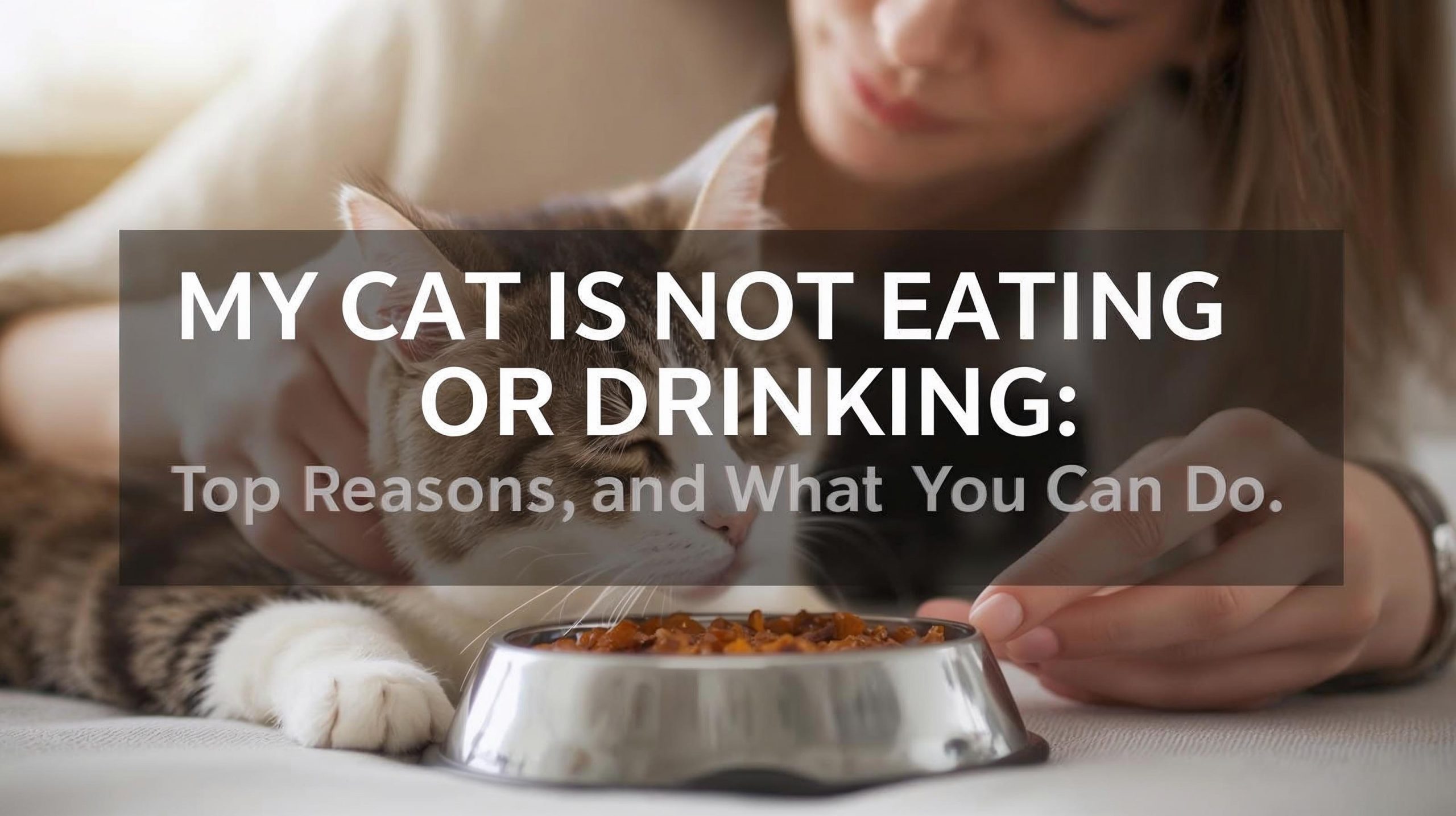
The sight of a full food bowl that your cat won’t touch, or a water dish that remains untouched, is one of the most alarming signals a cat owner can receive. Unlike dogs, a cat skipping even one meal is a major cause for concern. When a cat is not eating or drinking, it’s a direct indicator that something is wrong, and due to their unique metabolism, the consequences can become life-threatening rapidly.
This comprehensive guide will help you understand why your cat has suddenly developed a lack of appetite (anorexia) or is refusing water, explain the urgency of the situation, and detail the steps you must take immediately.
Article written by: **MyFurries Vet Team** | Published on: **November 2, 2025**
⚠️ The 24-Hour Rule: Why Time is Critical for Feline Anorexia
Before diving into the causes, you must understand the immediate danger: the **24-Hour Rule**.
If your cat stops eating for more than 24 hours, you must seek veterinary attention immediately.
This urgency is due to a dangerous liver condition unique to cats called **Hepatic Lipidosis**, or **Fatty Liver Disease**. When a cat stops eating, their body mobilizes fat stores for energy. The feline liver is not designed to process large amounts of fat quickly. This leads to fat accumulation in the liver cells, causing the organ to fail. This risk increases significantly in **overweight or obese cats**.
Therefore, a prolonged loss of appetite is not just a symptom of an illness—it’s a separate, life-threatening condition in itself. Early intervention is key to a positive outcome.
🩺 Top Medical Reasons Your Cat is Not Eating or Drinking
The underlying cause of a cat refusing food and water is often a medical issue that leads to pain, nausea, or loss of the sense of smell.
1. Oral Pain and Dental Disease (Pseudo-Anorexia)
This is one of the most common reasons a cat wants to eat but physically cannot (a condition called **pseudo-anorexia**).
- **Gingivitis and Periodontal Disease:** Inflamed, bleeding gums or loose teeth make chewing extremely painful. Your cat may approach the food, drop pieces, or tilt their head while eating.
- **Tooth Resorption:** A painful condition where the tooth structure breaks down.
- **Oral Masses or Tumors:** Growths in the mouth or throat can physically obstruct or cause discomfort while chewing/swallowing.
2. Kidney Disease (Chronic Kidney Disease – CKD)
**CKD** is extremely common, especially in senior cats, and is a major cause of anorexia and dehydration.
- **Nausea and Uremic Toxins:** Failing kidneys can no longer filter waste products from the blood efficiently. These toxins build up (**uremia**) and cause severe, persistent nausea, leading to a refusal to eat.
- **Dehydration and Excessive Urination:** CKD causes cats to urinate more, leading to dehydration. While they may drink more water initially to compensate, severe sickness can eventually lead to a refusal to drink as well.
3. Gastrointestinal (GI) Distress
Problems in the stomach or intestines often cause nausea, vomiting, or abdominal pain that suppresses appetite.
- **Inflammatory Bowel Disease (IBD):** Chronic inflammation of the GI tract leads to chronic nausea and reduced nutrient absorption.
- **Pancreatitis:** Inflammation of the pancreas is a painful condition that causes severe loss of appetite and vomiting.
- **Foreign Body Obstruction:** Swallowing non-food items (string, hair ties, small toys) can cause a blockage that leads to persistent vomiting, abdominal pain, and total food refusal. **This is a true emergency.**
4. Upper Respiratory Infections (URIs)
Cats rely heavily on their **sense of smell** to stimulate appetite.
- **Nasal Congestion:** Viral infections (like Feline Herpesvirus or Calicivirus) cause a stuffy nose, runny eyes, and sneezing. If your cat can’t smell their food, they won’t recognize it as a food source and will refuse to eat.
- **Fever:** Infections often cause a fever, which leads to general malaise and a loss of hunger.
5. Other Systemic Diseases
Many other serious conditions manifest as a sudden loss of appetite:
- **Hyperthyroidism:** In some cases, while typically increasing appetite, it can sometimes cause GI upset that leads to anorexia.
- **Liver Disease:** Primary liver issues can cause nausea, independent of Hepatic Lipidosis.
- **Cancer:** Any type of cancer, or the side effects of chemotherapy, can cause anorexia, lethargy, and weight loss.
😿 Behavioral and Environmental Factors
If your cat’s veterinary work-up comes back clean, the cause may be stress, fear, or food aversion.
| Factor | Description & Solution |
|---|---|
| **Stress and Anxiety** | Cats are creatures of habit. Changes like a new pet, moving to a new home, visitors, or loud noise can cause stress-induced anorexia. **Solution:** Maintain routine, provide a safe “hiding spot,” and reduce environmental stressors. |
| **Food Aversion** | If a cat feels sick immediately after eating a specific food, they may develop a powerful, lasting aversion to that food. **Solution:** Switch to a completely different flavor, texture, or brand. Do NOT force-feed the rejected food. |
| **Feeding Environment** | Cats are sensitive to their surroundings. **Solution:** Ensure the bowl is clean, not next to the litter box. Try a flat plate to avoid **whisker fatigue**. |
| **Food Condition** | Cats prefer their food fresh and slightly warm. **Solution:** Avoid serving cold food. Warm canned food slightly (to body temperature, $\approx 100^\circ\text{F}$) to enhance the aroma. |
| **Medication Side Effects** | Many common medications can cause nausea. **Solution:** Consult your vet immediately to discuss alternative medications or a temporary anti-nausea drug. |
💧 Is Your Cat Dehydrated? Signs and Home Check
A cat that is not drinking is at severe risk of **dehydration**, which complicates any underlying illness. [Image illustrating a cat skin tenting test for dehydration]
Key Signs of Dehydration:
- **Sunken Eyes:** The eyes appear dull and sunken into the sockets.
- **Dry, Tacky Gums:** Gums feel sticky or dry to the touch instead of slick and moist.
- **Lack of Skin Elasticity (Skin Tenting Test):** Gently pinch a small fold of skin over your cat’s shoulder blades. If it stays up in a “tent” for more than a second or two, your cat is dehydrated.
- **Lethargy and Weakness:** Severe dehydration causes weakness and collapse.
Immediate Hydration Tips (Only if NOT Vomiting):
If your cat is not vomiting but simply won’t drink:
- **Offer a Variety of Sources:** Provide fresh, cool water in multiple spots. Try a flowing water fountain, as many cats prefer moving water.
- **Use High-Moisture Foods:** If they are eating, switch to canned food, which is about $75\%$ water.
- **Flavored Broth:** Offer a small amount of low-sodium chicken or tuna broth (ensure it contains **NO** onions, garlic, or chives, as these are toxic to cats).
Important: If your cat is **vomiting**, do not encourage them to drink or eat, as this can worsen the vomiting. They need **intravenous fluids** at a clinic.
✅ The Essential Action Plan: What to Do Right Now
When your cat stops eating or drinking, follow these steps in order:
Phase 1: The Initial 12-24 Hours
- **Monitor Closely:** Note the exact time they last ate or drank and look for any other symptoms (vomiting, diarrhea, lethargy, hiding).
- **Call Your Vet:** Do not wait until the 24-hour mark, especially for senior, overweight, or already ill cats. Call your veterinarian, describe the situation, and take their advice on when to bring them in.
- **Tempt Them (Gently):** Offer wet food warmed slightly. Try highly palatable treats or baby food. Do not force the issue; if they refuse, remove the food and try again later.
Phase 2: At the Veterinary Clinic
Your vet will perform a comprehensive diagnostic workup to find the root cause, which may include:
- **Blood Work (CBC and Chemistry):** Checks kidney, liver, glucose, and red blood cell function.
- **Urinalysis:** Assesses kidney concentration and checks for infection or diabetes.
- **X-rays or Ultrasound:** Checks for foreign body obstructions, tumors, or heart/lung fluid.
Phase 3: Treatment and Recovery
Treatment focuses on two goals: stabilizing the cat and treating the underlying illness.
| Treatment Type | Purpose |
|---|---|
| **Fluid Therapy** | Intravenous (IV) or subcutaneous (Sub-Q) fluids to correct dehydration and flush out toxins. |
| **Anti-Nausea Medication** | Critical for breaking the nausea cycle and making the cat comfortable enough to eat. |
| **Appetite Stimulants** | Medications like mirtazapine (Mirtaz) may be prescribed to chemically encourage a hunger response. |
| **Nutritional Support** | If the cat refuses to eat for several days, a feeding tube may be necessary to provide essential calories and prevent **Hepatic Lipidosis**. |
Remember, your **swift action** is the most critical factor in treating a **cat not eating or drinking**. Never underestimate the severity of anorexia in felines.