
Few diseases frighten veterinarians and pet parents as much as canine parvovirus, commonly called parvo.
Parvo is one of the most contagious and deadly viral diseases affecting puppies worldwide. Without early treatment, the virus can cause severe dehydration, organ failure, and death within days.
The most alarming reality is that many puppy owners miss the early warning signs of parvo, mistaking them for simple stomach upset or mild infection.
Recognizing symptoms early can dramatically improve survival chances.
Parvo progresses rapidly. Early veterinary advice can save your puppy’s life.
👉 Consult a MyFurries Vet Immediately
 —
—What Is Parvo in Dogs?
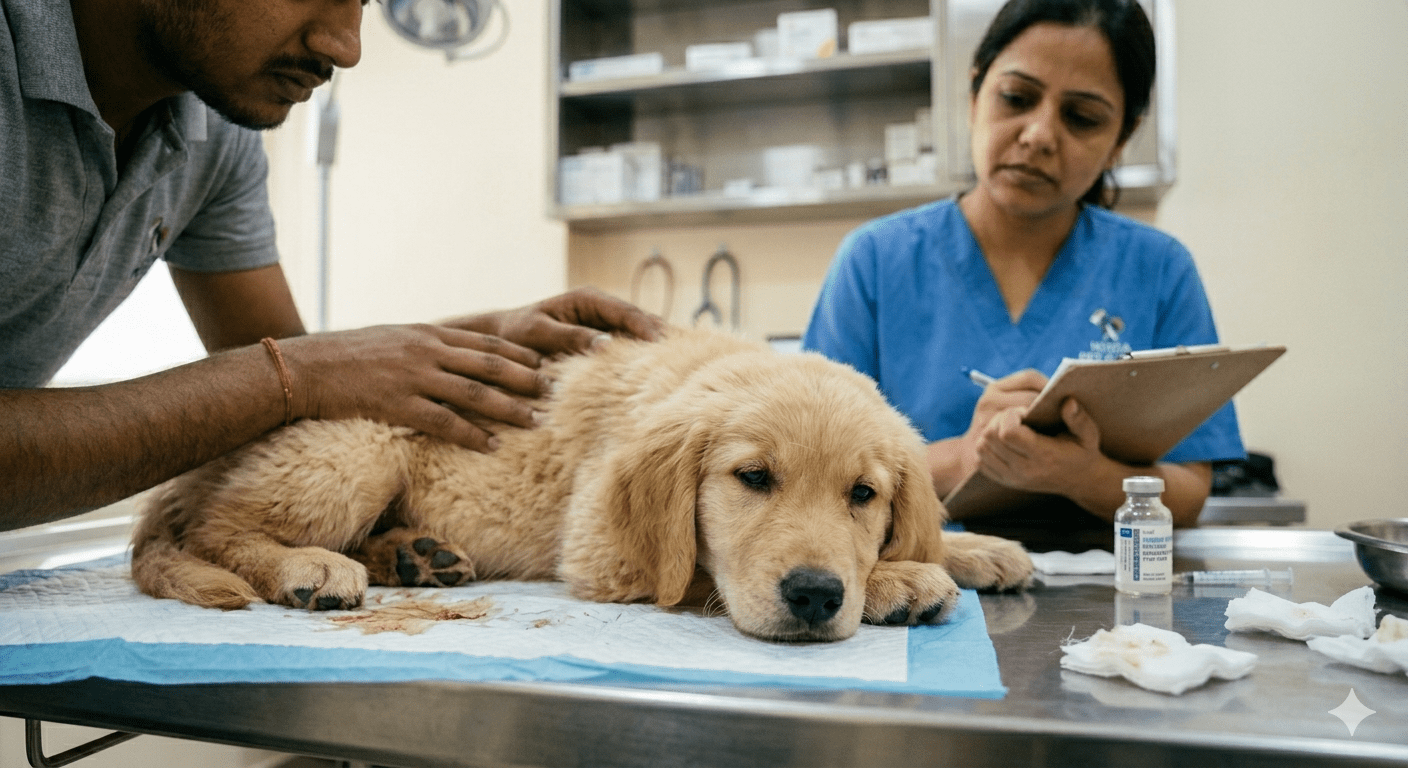
Canine parvovirus is a highly contagious viral infection that attacks rapidly dividing cells in a puppy’s body.
The virus primarily affects:
- The intestinal lining
- Bone marrow
- The immune system
Because puppies have developing immune systems, they are especially vulnerable.
Parvo spreads through contact with contaminated surfaces, infected dogs, feces, and even shoes or clothing that carry viral particles.
—Why Puppies Are Most at Risk
Puppies between 6 weeks and 6 months of age are at the highest risk of contracting parvo.
Several factors increase vulnerability:
- Incomplete vaccination
- Exposure to infected environments
- Poor nutrition
- Stress after adoption
Even a short walk in a contaminated park can expose an unvaccinated puppy to the virus.
—Early Parvo Symptoms in Puppies
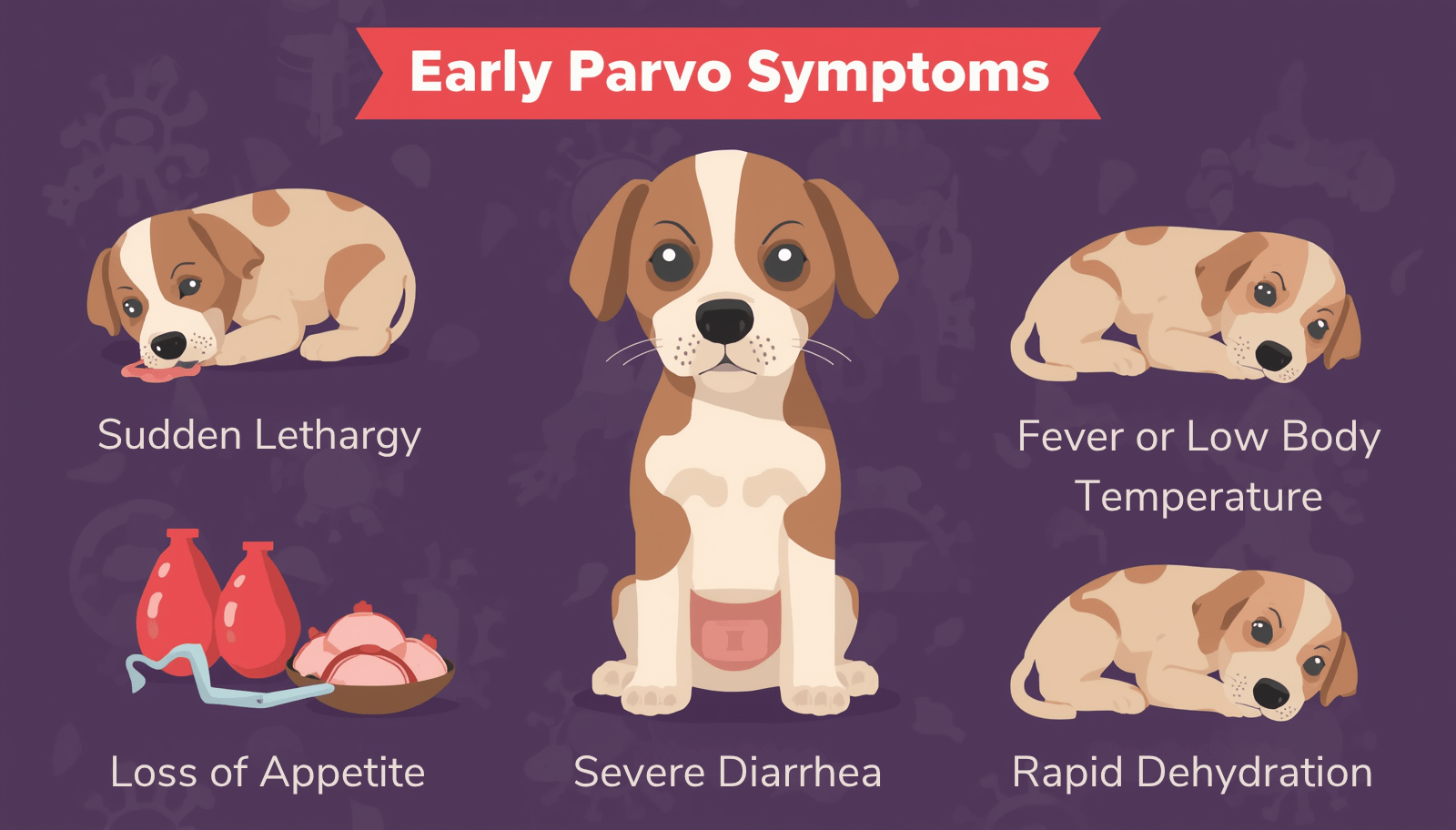
The earliest symptoms often appear subtle. However, they escalate quickly within 24–48 hours.
1. Sudden Lethargy
One of the first warning signs is unusual tiredness.
A normally playful puppy may suddenly appear weak, withdrawn, or uninterested in activities.
—2. Loss of Appetite
Puppies infected with parvo frequently refuse food.
Loss of appetite often appears before vomiting or diarrhea.
—3. Vomiting
Persistent vomiting is a hallmark symptom of parvo infection.
The vomiting may initially appear as clear or foamy liquid.
—4. Severe Diarrhea
As the virus attacks the intestinal lining, puppies develop severe diarrhea.
In advanced stages, stool may become:
- Watery
- Bloody
- Foul smelling
5. Fever or Low Body Temperature
Infected puppies may develop fever during the early phase of infection.
Later stages may cause dangerously low body temperature due to shock.
—6. Rapid Dehydration
Vomiting and diarrhea quickly cause fluid loss.
Dehydration is one of the primary causes of death in untreated parvo cases.
—Advanced Parvo Symptoms

Without treatment, symptoms become severe.
Advanced signs include:
- Bloody diarrhea
- Extreme weakness
- Sunken eyes
- Pale gums
- Severe abdominal pain
At this stage, immediate emergency veterinary care is essential.
—How Parvo Spreads
Parvo spreads through microscopic viral particles found in infected feces.
These particles can survive in the environment for months.
Common transmission sources include:
- Parks
- Pet boarding facilities
- Animal shelters
- Contaminated soil
Parvo Survival Rate
Without treatment, mortality rates can exceed 90%.
However, with early veterinary intervention, survival rates improve significantly.
Treatment usually involves:
- IV fluids
- Anti-vomiting medications
- Antibiotics to prevent secondary infections
- Nutritional support
How to Prevent Parvo
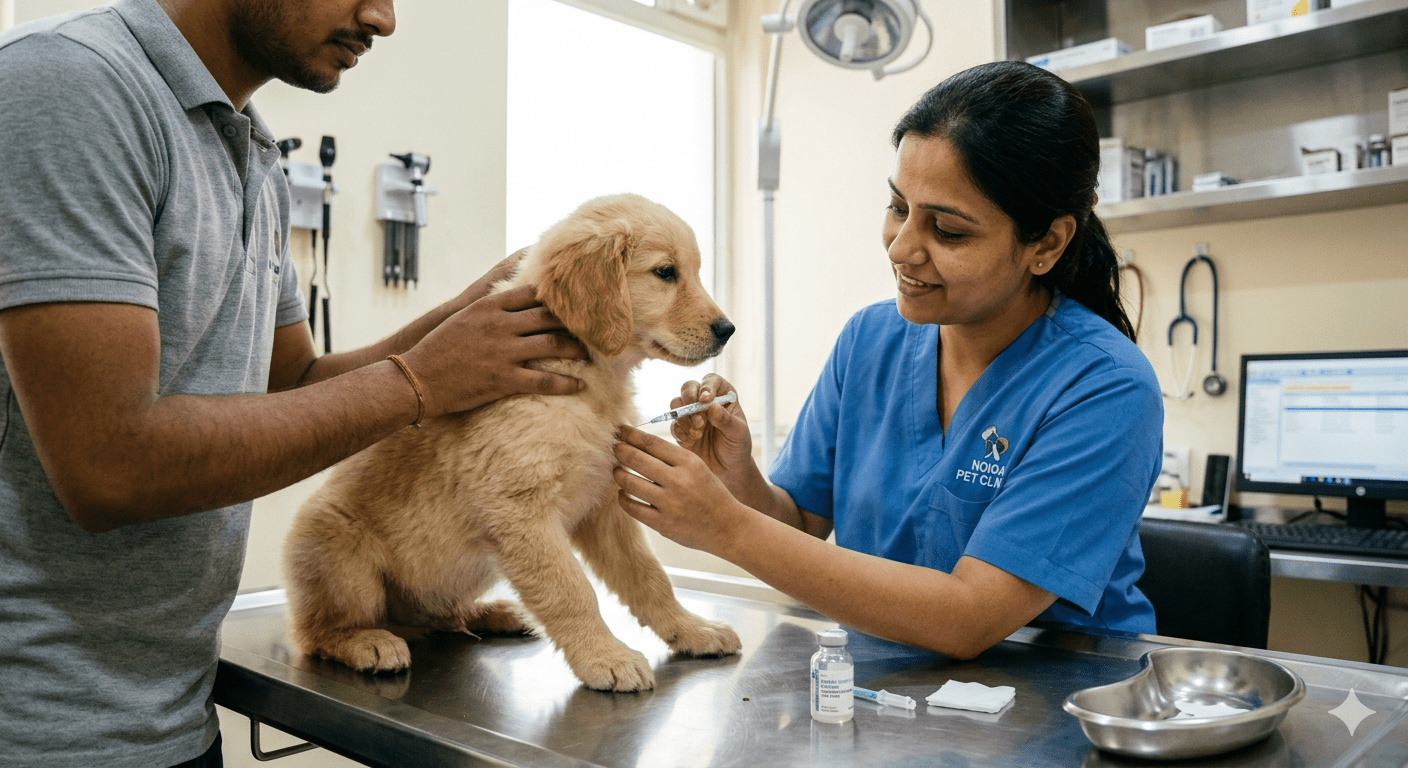
Vaccination is the most effective protection against parvo.
Puppies typically receive their first vaccination between 6–8 weeks of age, followed by booster shots every few weeks.
Additional prevention steps include:
- Avoid public dog parks before vaccination
- Keep puppies away from unknown dogs
- Maintain hygiene at home
Early consultation can make the difference between recovery and life-threatening illness.
👉 Talk to a MyFurries Veterinarian Now
When to Seek Immediate Veterinary Help
Contact a veterinarian immediately if your puppy shows:
- Repeated vomiting
- Diarrhea lasting more than a few hours
- Extreme lethargy
- Refusal to drink water
- Bloody stool
How MyFurries Helps Puppy Parents
MyFurries provides access to experienced veterinarians through convenient online consultations.
If your puppy shows symptoms of illness, you can quickly receive guidance and determine whether urgent care is required.
Early advice from a veterinarian can help prevent complications and protect your puppy’s health.
—Conclusion
Canine parvovirus remains one of the most dangerous diseases affecting puppies worldwide.
However, early detection and prompt veterinary care dramatically improve survival chances.
If your puppy shows symptoms such as vomiting, diarrhea, lethargy, or appetite loss, seek professional advice immediately.
Protecting your puppy starts with awareness and timely medical care.
—Frequently Asked Questions
What are the first signs of parvo in puppies?
Early signs include lethargy, appetite loss, vomiting, and mild diarrhea.
How long does parvo take to show symptoms?
Symptoms usually appear within 3–7 days after exposure to the virus.
Can vaccinated puppies get parvo?
Vaccination significantly reduces risk, but incomplete vaccination schedules can leave puppies vulnerable.