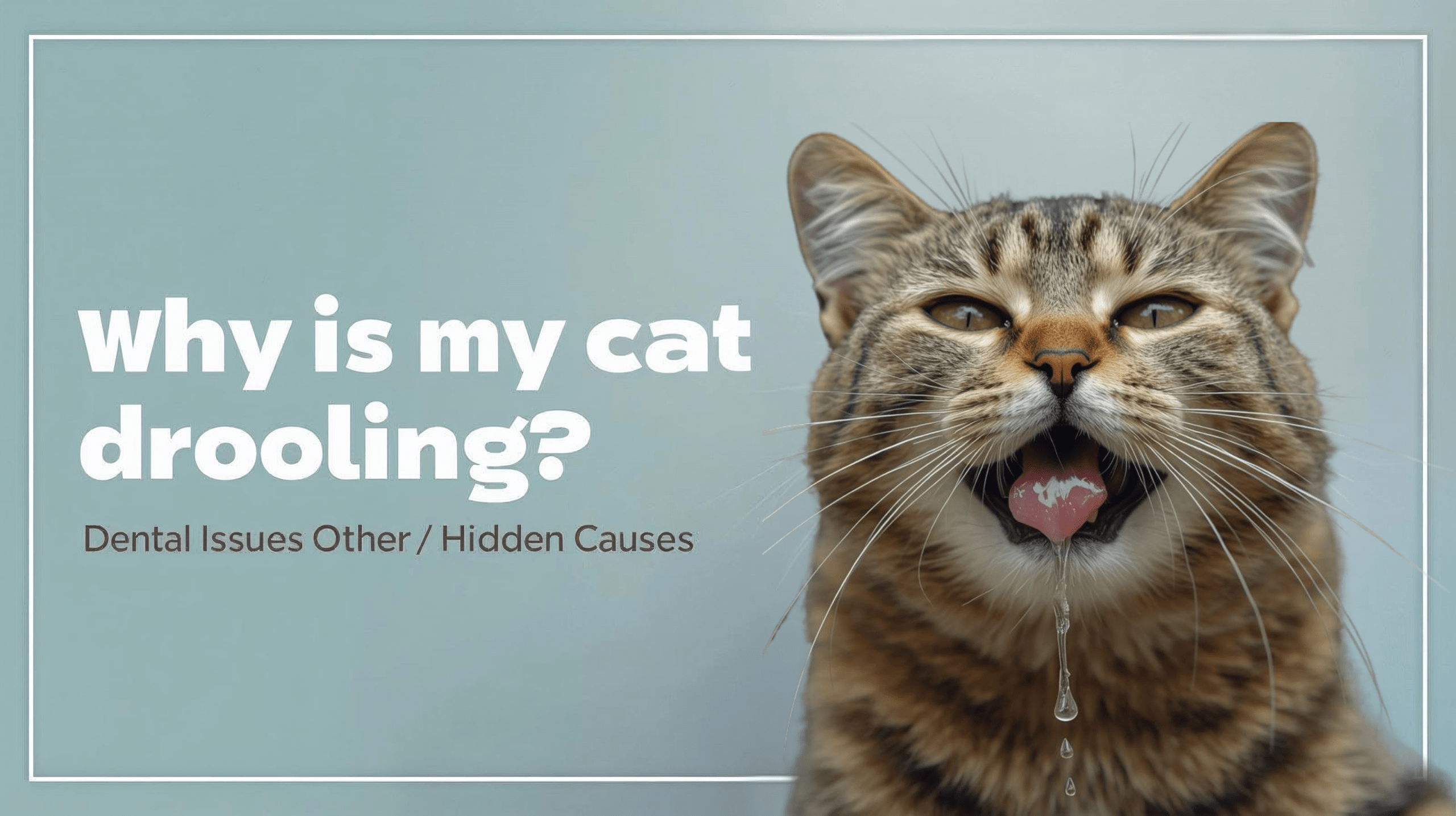
Has your cat been drooling more than usual? While a little saliva when they’re purring or sleeping can be cute, constant drooling could be a sign that something’s wrong. In this article, we’ll explore why cats drool, what it could mean for their health, and when it’s time to call the vet. 🩺
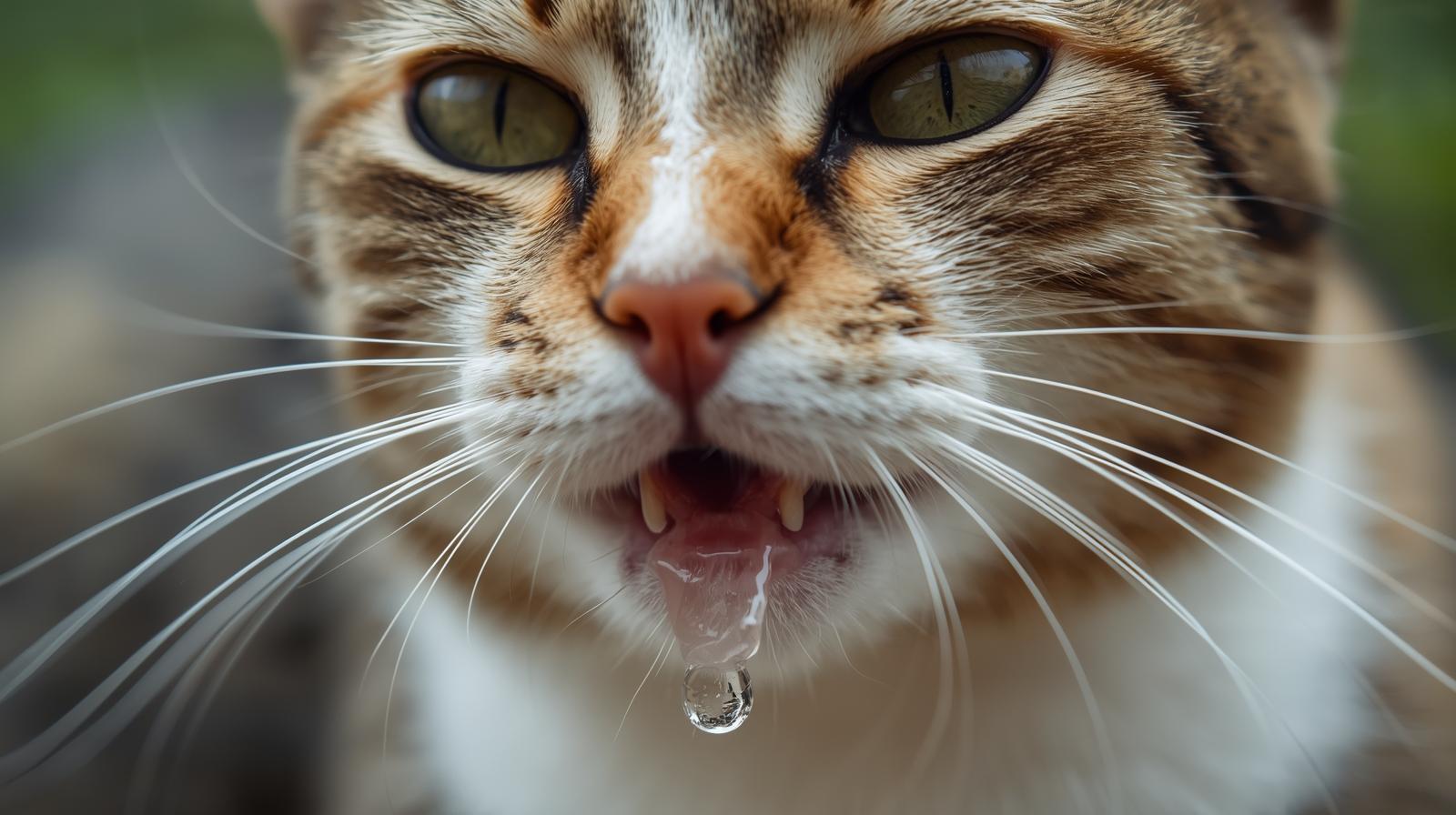
🐱 What Causes Cat Drooling?
Cats can drool for several reasons — some harmless, others serious. Here’s a breakdown:
- Dental or oral disease (gingivitis, abscess, tooth decay)
- Stress or anxiety
- Nausea or toxins
- Foreign object stuck in the mouth
- Heatstroke or dehydration
Pro Tip: If drooling comes with bad breath or loss of appetite, it’s time to Ask a Vet Online for immediate advice.
🦷 Is It a Dental Problem?
The most common reason for cat drooling is poor dental health. Cats can develop tartar buildup, gum inflammation (feline gingivitis), or painful infections that make them salivate excessively.
Signs of Dental Issues
- Bad breath (halitosis)
- Drooling with blood or pus
- Pawing at the mouth
- Difficulty eating or dropping food
- Swelling on the face or jaw
Schedule a professional dental cleaning or video consult with our vets to understand how to improve your cat’s dental care routine.
😿 Could It Be Stress or Anxiety?
Emotional stress can also cause drooling. A change in routine, new pets, travel, or loud noises may trigger anxiety-related salivation. Providing a calm environment and gentle reassurance can help.
Why does my cat drool when nervous?
Because cats release extra saliva when stressed — it’s similar to humans’ sweaty palms! Try calming pheromone sprays or a quiet resting spot to comfort your pet.
🤢 Can Nausea or Toxins Make Cats Drool?
Yes. Eating something toxic (like lilies or spoiled food) can cause drooling, vomiting, or lethargy. Always keep household cleaners and human medications out of reach. If symptoms persist, talk to a vet immediately.
🌡️ When Is Drooling an Emergency?
Seek urgent veterinary help if drooling is accompanied by:
- Sudden lethargy or vomiting
- Difficulty breathing or swallowing
- Swelling of the tongue or face
- Loss of appetite or hiding behavior
⚕️ Book a same-day online consultation: Visit MyFurries Video Consult for expert advice.
🐾 Preventive Cat Dental Care
Preventing dental problems early can save your cat a lot of pain. Here’s how you can maintain their oral hygiene:
- Brush their teeth weekly using a cat-safe toothpaste
- Feed crunchy treats or dental kibbles
- Schedule vet dental cleanings annually
- Monitor for subtle behavior changes like drooling or appetite loss
For overall wellness support and preventive care, explore the FurFit Wellness Package — it includes expert advice on diet, dental hygiene, and skin health.
💬 Frequently Asked Questions
Is it normal for cats to drool while purring?
Yes, some cats drool slightly when they’re extremely relaxed or happy. However, persistent drooling is not normal and needs a check-up.
Can dental issues cause drooling?
Absolutely. Dental infections, gum inflammation, and abscesses are top causes of excessive drooling. Routine oral care helps prevent this.
What can I do at home to help my cat stop drooling?
Keep their mouth clean, check for food stuck in teeth, and ensure they stay hydrated. Avoid human toothpaste or harsh mouth rinses.
📚 Related Reads
- Explore More Pet Health Articles
- FurFit Wellness Package – Monthly Health Plan
- Ask Our Vets Online for Dental Advice
🏁 Conclusion
Occasional drooling might just mean your cat is relaxed and content, but continuous or excessive saliva can signal underlying health problems. Monitor their eating habits, check their mouth regularly, and reach out to your vet early. With a little attention and love, your feline friend can stay drool-free and healthy for years to come. ❤️
Written with care for pet parents by MyFurries.com — your trusted companion in pet wellness.