
Are cats affected by winter in India? Yes — even though cats have natural fur insulation, Indian winters (especially in North India, hill states, and cold interiors) can cause dry skin, sneezing, shedding changes, stiff joints, fur matting, and temperature stress.
This guide gives you complete, **vet-approved** winter care tips for your cat: warm bedding, grooming routine, diet upgrades, hydration, immunity boosters, indoor safety, and when to consult a vet.
Need quick advice? Ask a Vet Online on MyFurries — get an instant video consultation anytime.
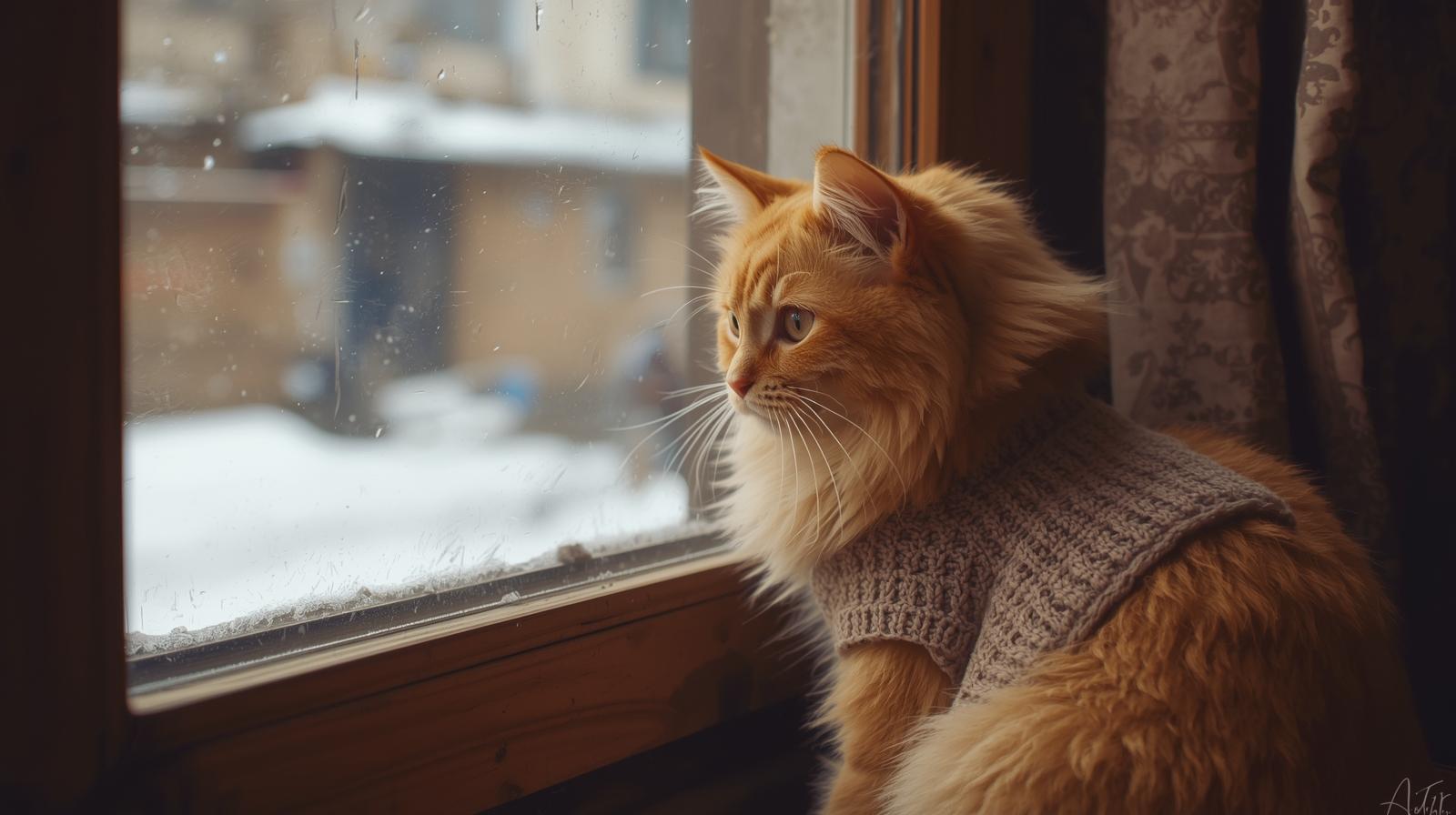
✔ Are Winters Harsh for Cats in India?
Yes — especially:
- Short-haired cats (Indie, Siamese, Burmese)
- Senior cats with weaker immunity
- Kittens
- Cats recovering from illness
- Outdoor or semi-outdoor cats
Cats may show cold-related symptoms like:
- Dry flaky skin
- Red eyes or watery eyes
- Sneezing or nasal discharge
- Shivering or curling into tight balls
- Less movement due to joint stiffness
- Reduced appetite
- Over-grooming to stay warm
If your cat suddenly becomes lethargic or stops eating, consult a vet immediately. Speak to a MyFurries Vet Now →
✔ How to Keep Your Cat Warm in Winter (Home Heating & Bedding Tips)
1. Provide Warm, Draft-Free Bed Spaces
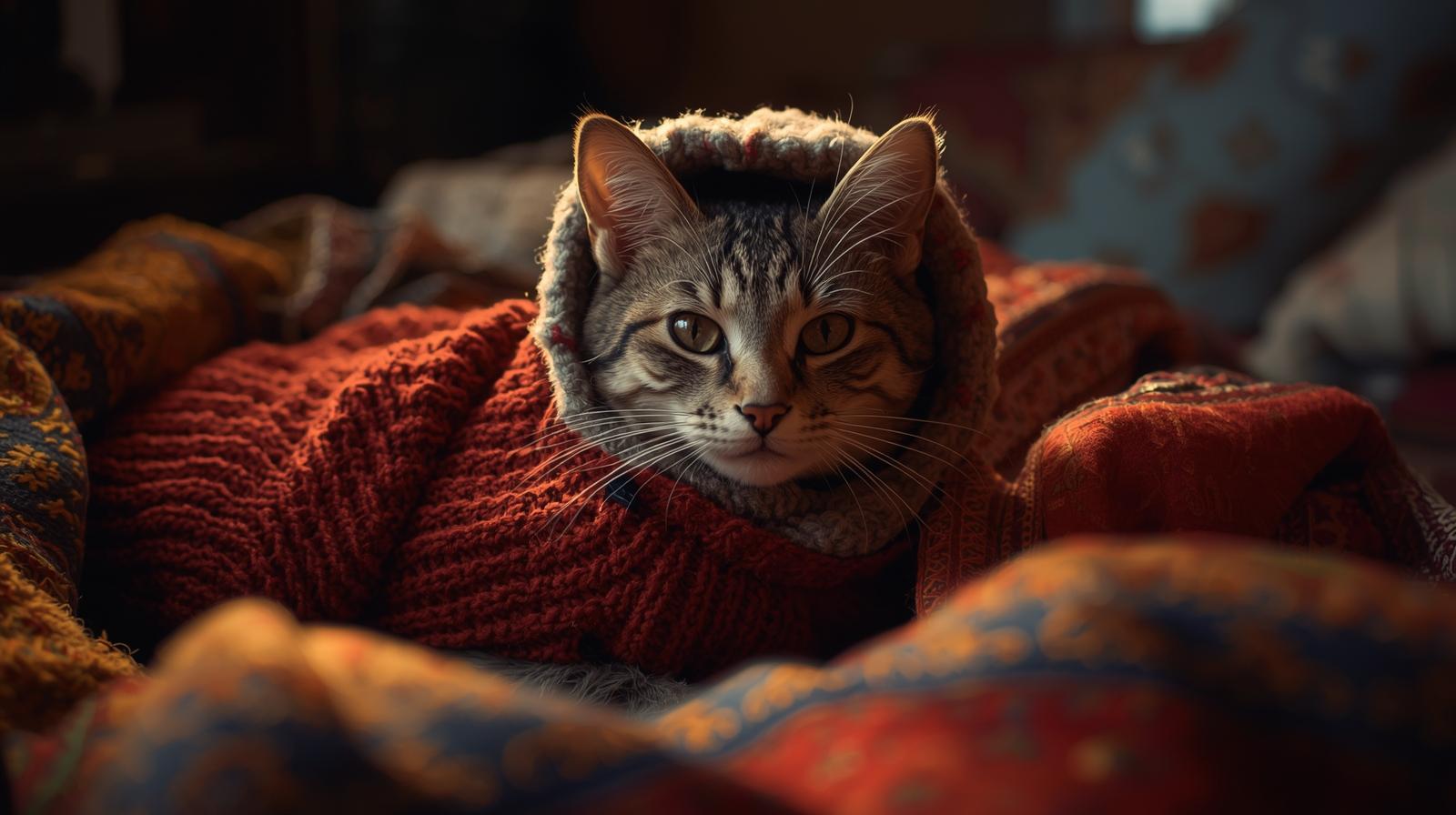
- Use fleece blankets, soft towels, or warm cat beds.
- Avoid placing beds near windows or cold tile floors.
- Place bedding at higher surfaces (cats love warm elevated spots).
2. Create “Warm Zones” Around the House
- Place cozy blankets on your sofa, bed, or inside cardboard boxes.
- Offer heated pads (pet-safe electric heating pads only).
3. Winter-Proof Your Floors
Tile and marble floors get very cold. Add:
- Carpets
- Rugs
- Doormats
✔ Cat Grooming Routine for Winter (Dry Skin & Shedding)
Winter can make a cat’s skin flaky and itchy. Here’s how to keep their coat healthy:
1. Brush Regularly
- Brush short-haired cats 2–3 times a week.
- Brush long-haired breeds (Persian, Himalayan) daily to prevent matting.
2. Avoid Frequent Baths
Bathing strips natural oils, making skin drier.
- Bathed only when necessary.
- Use warm water + cat-safe moisturizing shampoo.
3. Add Coat Supplements
Omega-3 & Omega-6 fatty acids improve coat shine and reduce flakes.
4. Moisturise Paw Pads & Nose
Use vet-approved balms to prevent cracking.
Unsure which products suit your cat? Talk to a MyFurries Vet
✔ Winter Diet for Cats: What Should Cats Eat in Cold Weather?
In winter, some cats may eat more to generate body heat — others may eat less due to lethargy.
Best Diet Tips for Winter
- Serve food slightly warm (never hot).
- Add wet food to increase hydration.
- Increase protein for energy: chicken, fish, eggs (well cooked).
- Include healthy fats: fish oil, omega supplements.
- For senior cats: easy-to-digest food + joint supplements.
Foods to Avoid
- Cold refrigerated food
- Milk (causes stomach upset)
- Bones
- Human winter sweets
✔ Hydration: Why Cats Drink Less Water in Winter
Cats naturally reduce water intake in cold months. This increases risks of UTIs & kidney issues.
How to Increase Hydration
- Add wet food
- Use cat water fountains to encourage drinking
- Add lukewarm water to dry food
- Keep bowls clean — cats avoid dirty containers
If your cat pees less or cries in the litter box, get help immediately: Consult a Vet Online →
✔ Winter Health Problems in Cats (Common Symptoms & First Aid)
1. Upper Respiratory Infections (Cold/Flu)
- Sneezing
- Watery eyes
- Loss of appetite
- Nasal discharge
2. Dry Skin & Dandruff
Very common in winter due to lack of humidity.
3. Joint Pain (Especially in Senior Cats)
- Reduced jumping
- Slow movement
- Stiff walking
4. Eye Irritation
Cold air + grooming products can irritate cat eyes.
5. Hair Mats in Long-Haired Cats
Regular brushing is important to avoid painful knots.
✔ When to See a Vet (Warning Signs)
Seek a vet if your cat shows:
- Constant sneezing
- No eating for 24 hours
- Eye redness or pus
- Breathing difficulty
- Severe lethargy
- Vomiting + diarrhea
✔ Winter Safety for Indoor Cats
- Keep windows closed at night.
- Block gaps that let in drafts.
- Avoid leaving your cat on balconies in cold evenings.
- Keep electrical heaters covered / inaccessible.
✔ Benefits of the FurFit Wellness Package (Winter Edition)
Winter care becomes easier with regular vet guidance. Explore the FurFit Wellness Package to get:
- Unlimited online vet access
- Seasonal health check-ins
- Skin, coat & nutrition sessions
- Behavior + grooming guidance
❄️ Q&A
Q: Do cats feel cold in winter?
A: Yes. Cats can feel cold when temperatures drop. Short-haired cats, kittens, and seniors are most sensitive.
Q: How do I keep my cat warm in winter naturally?
A: Provide warm bedding, fleece blankets, draft-free rooms, and elevated sleeping spots.
Q: Can dry skin worsen in winter?
A: Yes. Low humidity causes flaky skin. Brush regularly & add Omega supplements.
Q: Should I bathe my cat in winter?
A: Only if necessary. Bathing too often removes natural oils.
Frequently Asked Questions (FAQ)
How do I know if my cat is cold?
Signs include curling tightly, shivering, seeking warm corners, and sleeping on electronics.
Is milk good for cats in winter?
No. Milk causes stomach upset in most cats.
How many times should I brush my cat in winter?
Short-haired cats: 2–3 times a week. Long-haired cats: daily.
Can cats get the flu in winter?
Yes — especially if exposed to drafts or sick pets.
Read more health guides on the MyFurries Pet Health Blog.