

Wondering how to keep your dog comfy and healthy during India’s chilly months?
Why winter care for dogs matters
Cold weather affects dogs differently depending on breed, age, health, and coat type. Indoors, heaters and low humidity cause dry skin and respiratory irritation. Outdoors, cold, damp conditions and early morning frost can lead to joint stiffness and paw damage. Proper winter dog care prevents discomfort and keeps your pet active and healthy.
How to tell if your dog is feeling cold
Q: What are signs my dog is too cold?
A: Shivering, reluctance to go outside, curling into a small ball, cold ears and paws, whining, and seeking warm places. In severe cold, dogs may become lethargic or have trouble moving.
Warmth & shelter: Practical tips for Indian homes
The aim is to provide a cozy, draft-free retreat for your dog.
- Draft-free bedding: Move the bed away from windows and doors. Use raised beds or insulated mats to reduce heat loss to floors.
- Layered blankets: Lightweight blankets layered together trap heat better than a single thick blanket.
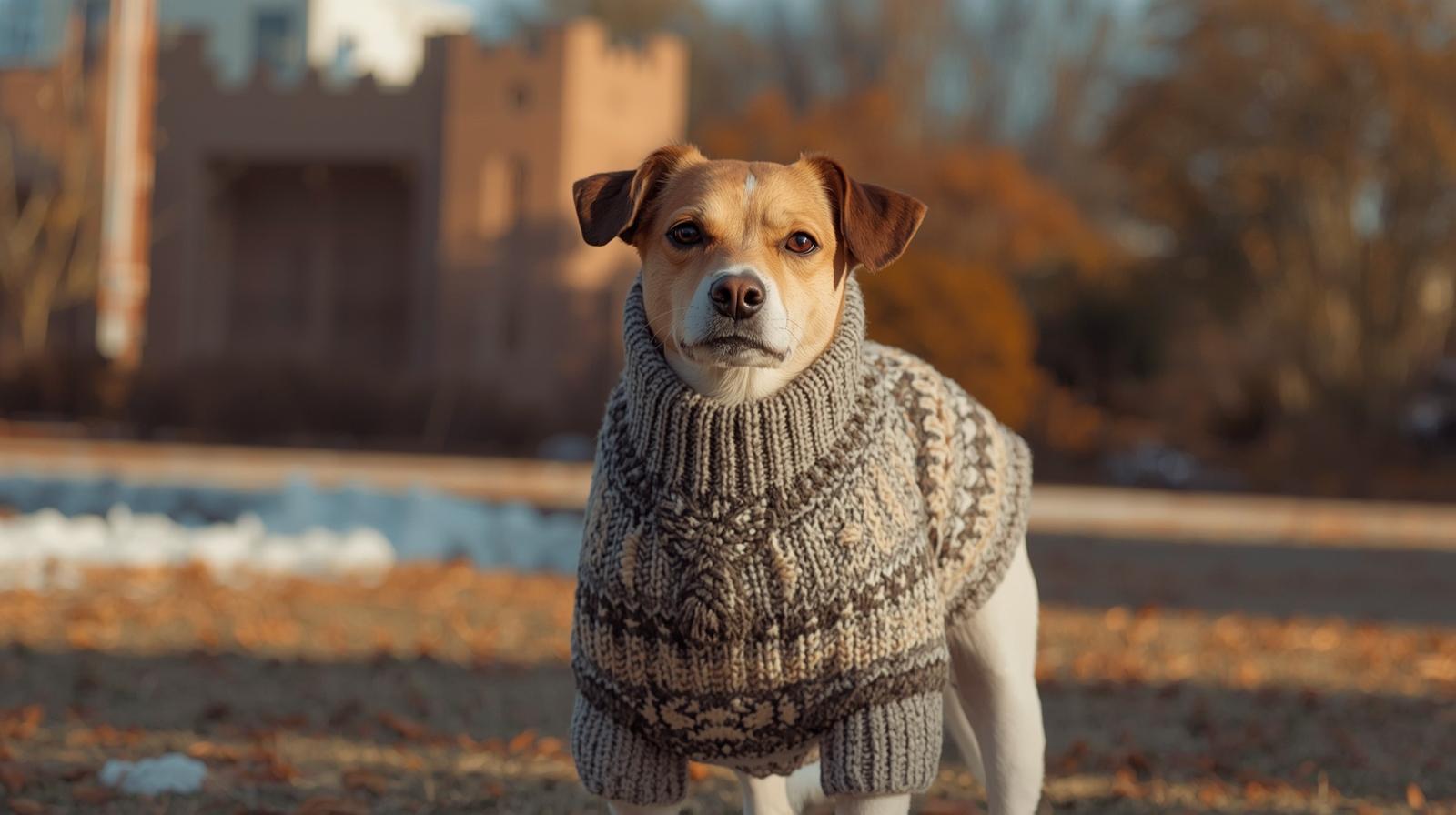
- Dog sweaters & coats: Use them for short-haired breeds, puppies, seniors, and small dogs. Make sure they fit well and don’t restrict movement.
- Heater safety: Place heaters where pets can’t knock them over and avoid direct hot airflow on the dog’s face. Use thermostat-controlled heaters if possible.
Protecting paws in winter
Paws are vulnerable: cold surfaces, rough patches, and de-icing chemicals (where used) can cause cracking, burns, or irritation.
- Paw checks: After every walk, check between toes for ice, grit, or small stones.
- Paw balms: Use veterinarian-approved paw balms to prevent drying and cracking.
- Protective booties: For very cold walks, booties reduce direct contact. Choose comfortable, well-fitted ones to avoid chafing.
Preventing and treating dry skin & coat issues
Dry flaking skin and dull coats are common in winter. Indoor heating and less humidity strip natural oils from the skin.
Home remedies & preventive steps
- Humidifier: Use a humidifier to keep indoor humidity around 40–50% to protect skin and respiratory passages.
- Hydration: Encourage drinking—warmer water can be more appealing in cold weather.
- Omega-3 supplements: Fish oil reduces inflammation and improves coat shine (check doses with your vet).
- Gentle grooming: Brush regularly to distribute natural oils and remove dead hair. Avoid over-bathing as it strips oils.
Bathing safely in winter
If you must bathe, use lukewarm water, a moisturizing, pet-safe shampoo, and dry your dog thoroughly. Air-drying in cold homes increases the risk of chills—use a gentle towel and a low-heat dryer if your dog tolerates it.
Adjusting diet & nutrition for winter energy
Some dogs burn more calories in cold weather, especially outdoor or working dogs. However, not all dogs need more food—indoor pets often require the same calories or slightly less if they exercise less.
Diet guidelines
Q: Should I increase my dog’s food in winter?
A: Only if your dog is more active outdoors or losing weight. Monitor body condition score and consult your vet before increasing portions.
- High-quality proteins: Support muscle and warmth — lean meats, fish.
- Healthy fats: Moderate increases in good fats (fish oil, flaxseed) help energy and coat health.
- Complex carbs: For working dogs, complex carbs (rice, sweet potato) provide sustained energy.
- Probiotics & hydration: Support digestion; warm broths can encourage drinking and warmth.
Grooming tips for winter (keep it gentle)
Grooming keeps the coat healthy, but winter needs a softer touch.
- Brush regularly: Prevent matting and help distribute natural oils.
- Trim paws carefully: Remove excess hair that traps ice and dirt, but don’t shave down double coats.
- Bathing frequency: Reduce baths to preserve natural oils; spot-clean when possible.
- Use gentle products: Choose sulfate-free, moisturizing shampoos and conditioners formulated for dogs.
Managing joint pain & stiffness in winter
Colder months can worsen arthritis and joint stiffness, especially in large breeds and seniors.
Practical steps
- Warm bedding: Orthopedic beds with insulation reduce joint pain.
- Gentle exercise: Short, frequent walks keep joints mobile without overexertion.
- Supplements: Glucosamine, chondroitin, and omega-3s may provide relief — always check with your vet.
- Physiotherapy: Hydrotherapy or targeted exercises help maintain muscle tone and mobility.
Safety on winter walks
Shorter daylight hours and early morning fog in many Indian cities mean you should plan safer walks.
- Walk during warmer parts of the day when possible.
- Use reflective gear for visibility in fog or low light.
- Shorten walks when it’s icy, wet or extremely windy.
- Rinse paws after walks to remove dirt or irritants.
Common winter illnesses and when to seek help
Watch for these problems:
- Upper respiratory infections: Sneezing, coughing, nasal discharge.
- Fungal skin infections: More likely in damp winters — look for redness or bad odour.
- Paw dermatitis: Cracking, bleeding, or limping after walks.
If you notice worrying signs, don’t wait—book a vet consult: Ask a Vet Online.
Special considerations by dog type
- Puppies: Keep them warm and limit exposure; they struggle to regulate temperature.
- Seniors: Provide extra padding, gentle exercise and monitor joint pain.
- Short-haired breeds: Use sweaters and booties for short walks.
- Long-haired/double-coated breeds: Brush frequently but avoid shaving the coat — it provides insulation.
Traveling with dogs in winter
Plan for travel safety: insulated carriers, avoid long periods in cold cars, and bring familiar bedding and food. Ensure vaccinations and parasite prevention are up to date before any boarding or kennel stays.
Affordable winter care — budget-friendly tips
- Rotate old blankets and add insulation to existing beds.
- Make homemade paw balms using vet-approved recipes or affordable commercial balms.
- Group neighborhood pups for supervised indoor play to reduce heating needs.
FAQ
Q: How can I keep my dog warm at night without a heater?
A: Use layered blankets, insulated or raised beds, and turn out a warm sleeping spot away from windows and drafts. A hot-water bottle (wrapped in cloth) can help for short periods.
Q: Should I bathe my dog less in winter?
A: Yes. Reduce bathing frequency and use moisturizing shampoos to prevent skin dryness.
Q: Which dogs need sweaters in winter?
A: Short-haired breeds, small dogs, puppies, and seniors usually benefit from sweaters during cold outings.
Q: How do I prevent paw cracks?
A: Apply vet-approved paw balms regularly, rinse paws after walks, and avoid hot/coarse surfaces.
Resources & links
- More Pet Health Articles
- Book an Online Vet Consult
- FurFit Wellness Package — Winter-friendly wellness plans
Final thoughts
With a few simple changes—warm bedding, gentle grooming, nutrition tweaks and careful outdoor planning—you can protect your dog from common winter problems. Observe your pet closely, tailor care to breed and age, and when in doubt, reach out for professional guidance. Happy, healthy winters start with small steps.
Written by the MyFurries veterinary team — practical, India-focused tips for pet parents.