Puppy diarrhea is one of the most common health concerns new pet parents experience.
Loose stools in puppies can occur for many reasons including diet changes, parasites, stress or infections.
Because puppies are small and still developing their immune systems, diarrhea can lead to dehydration much faster than in adult dogs.
Understanding the causes and knowing when to seek veterinary advice can help prevent serious complications.
If your puppy has persistent diarrhea or appears weak, you can quickly speak to a veterinarian online.
👉 Book an Online Vet Consultation
What Does Puppy Diarrhea Look Like?
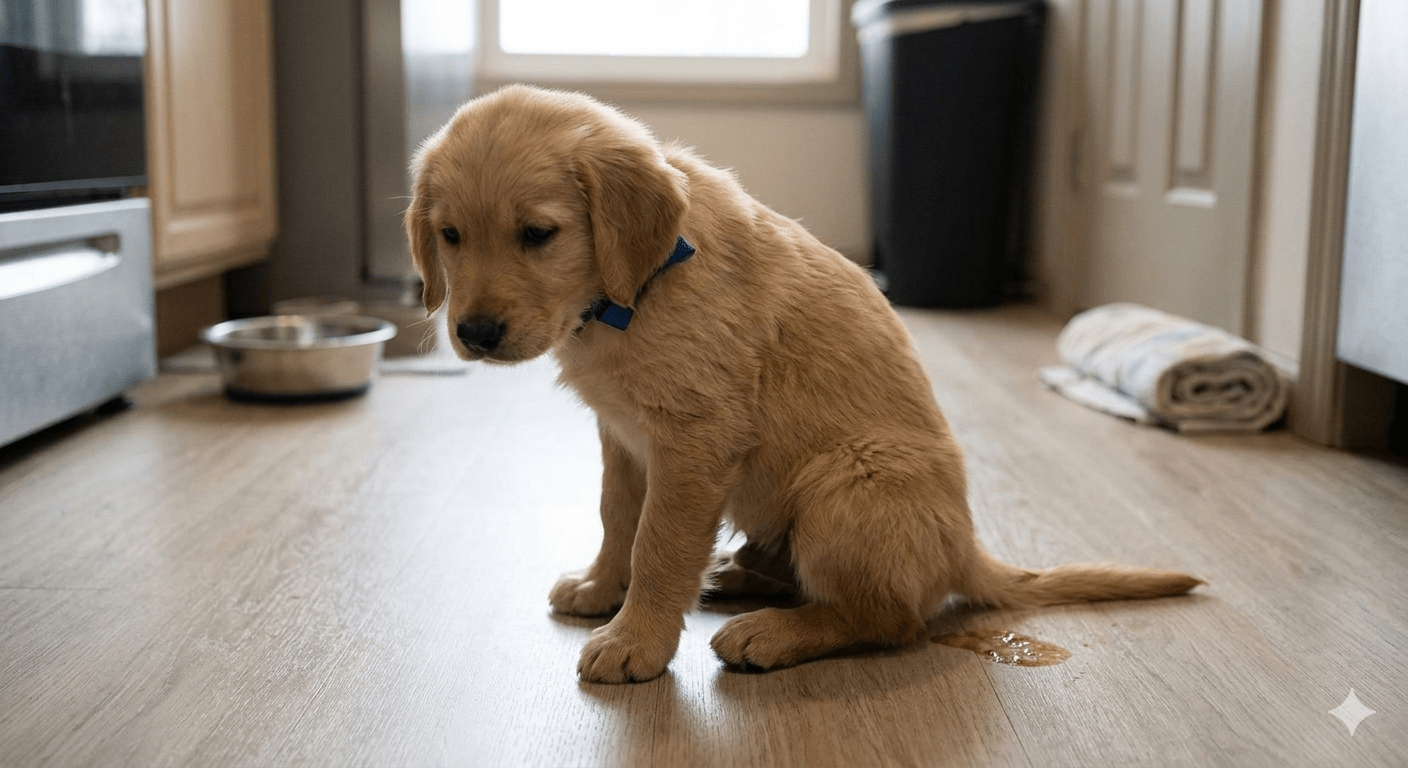
Normal puppy stool should be soft but well formed.
Diarrhea occurs when stool becomes loose, watery or frequent.
Signs of diarrhea include:
- Watery stool
- Frequent bowel movements
- Mucus in stool
- Foul smelling feces
- Accidents in the house
In severe cases, blood may appear in the stool which requires immediate veterinary attention.
Common Causes of Puppy Diarrhea
1. Sudden Diet Change
Puppies have sensitive digestive systems.
Switching to a new food too quickly can upset the stomach and cause loose stools.
Diet changes should always be introduced gradually over 5–7 days.
2. Intestinal Parasites
Parasites are one of the most frequent causes of diarrhea in young puppies.
Common parasites include:
- Roundworms
- Hookworms
- Whipworms
- Giardia
Puppies may get these parasites from contaminated soil, water or from their mother.
3. Viral Infections
Young puppies are vulnerable to dangerous viral diseases.
Parvovirus is one of the most serious infections that causes:
- Severe diarrhea
- Vomiting
- Weakness
- Loss of appetite
This infection requires immediate veterinary treatment.
4. Eating Something Inappropriate
Puppies explore their surroundings using their mouths.
They may swallow objects or foods that upset their digestive system.
Examples include:
- Garbage
- Plastic
- Plants
- Human food
5. Stress and Environmental Changes
Stress can trigger digestive upset in puppies.
Common stress triggers include:
- Moving to a new home
- Separation from mother
- Travel
- Meeting new pets
6. Food Intolerance
Some puppies may develop intolerance to specific ingredients such as:
- Dairy products
- High fat foods
- Certain proteins
Emergency Signs Every Pet Parent Must Know
Puppies can deteriorate quickly when diarrhea becomes severe.
Contact a veterinarian immediately if your puppy shows any of these symptoms:
- Blood in stool
- Continuous diarrhea for more than 24 hours
- Vomiting along with diarrhea
- Severe lethargy
- Refusal to drink water
- High fever
If you notice these warning signs, speak to a vet immediately.
How Dehydration Happens in Puppies
Diarrhea causes rapid fluid loss.
Because puppies are small, dehydration can occur within hours.
Signs of dehydration include:
- Dry gums
- Sunken eyes
- Weakness
- Loss of skin elasticity
Severe dehydration requires veterinary fluid therapy.
Home Care for Mild Puppy Diarrhea
If your puppy remains active and symptoms are mild, these steps may help.
1. Temporary Food Break
Withhold food for 8–12 hours to allow the stomach to settle.
2. Provide Small Amounts of Water
Offer fresh water frequently to prevent dehydration.
3. Start a Bland Diet
Once diarrhea improves, introduce a simple diet.
- Boiled chicken
- Plain rice
- Pumpkin puree
Feed small portions several times a day.
4. Probiotics
Veterinary probiotics may help restore healthy gut bacteria.
Veterinary Diagnosis
If diarrhea persists, your veterinarian may recommend diagnostic tests.
- Stool examination
- Blood tests
- Parvovirus testing
- Imaging tests
Early diagnosis helps prevent serious illness.
Veterinary Treatment
Treatment depends on the underlying cause.
Veterinarians may prescribe:
- Anti-diarrheal medication
- Deworming medication
- Probiotics
- Fluid therapy
- Special digestive diets
Preventing Puppy Diarrhea
Many cases of diarrhea can be prevented through good care practices.
- Follow vaccination schedules
- Deworm regularly
- Avoid sudden diet changes
- Keep garbage and toxins out of reach
- Provide clean drinking water
When to Book a Vet Consultation
You should speak to a veterinarian if:
- Diarrhea lasts more than 24 hours
- Your puppy becomes weak
- Vomiting occurs with diarrhea
- Blood appears in stool
Early treatment helps puppies recover faster and prevents complications.