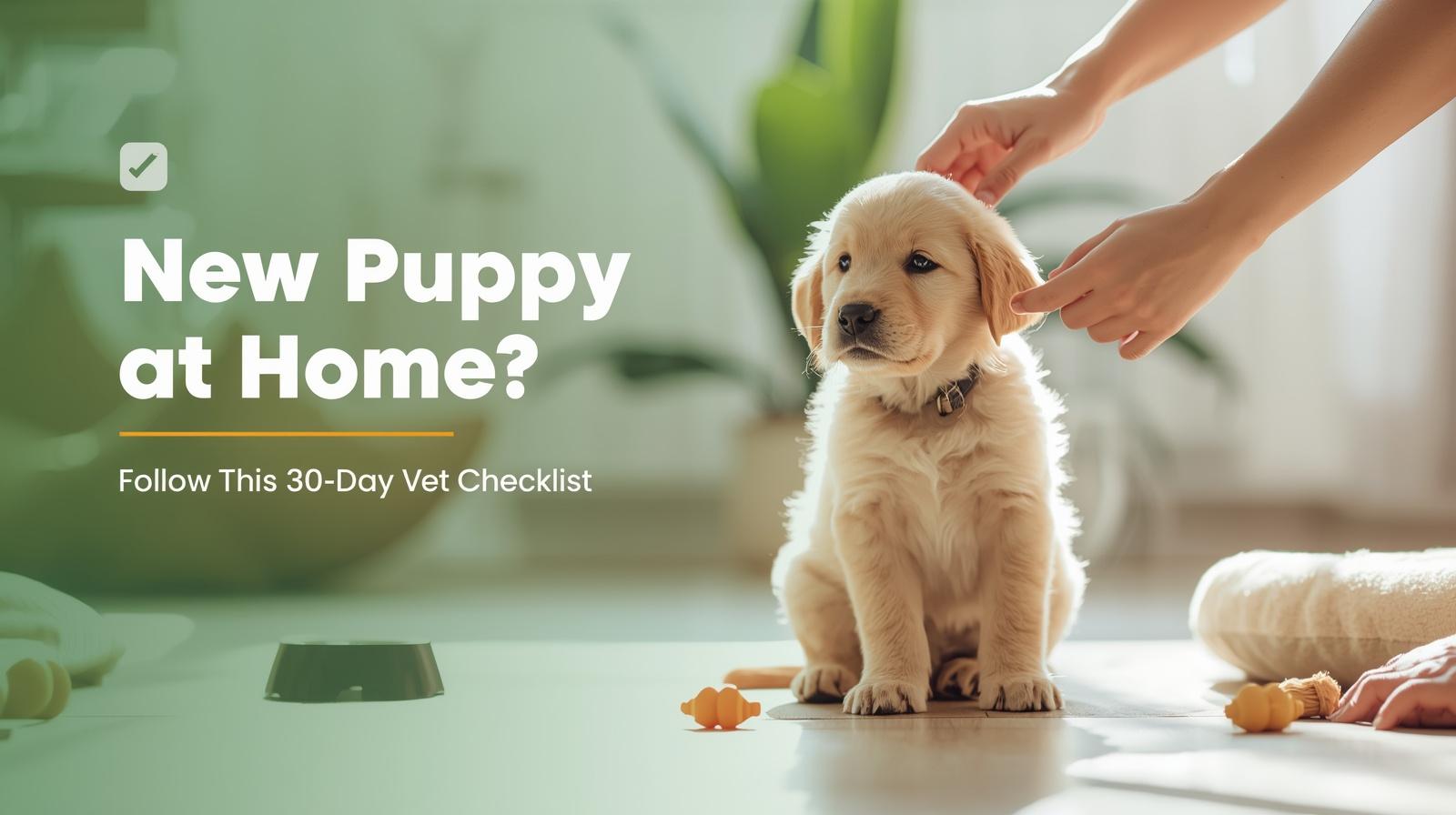
Bringing home a new puppy is exciting, emotional, and sometimes overwhelming. Tiny paws, curious eyes, and playful energy instantly transform your home.
However, veterinarians agree on one important fact: The first 30 days with a new puppy are the most important period for lifelong health.
During this time your puppy adapts to a new environment, new food, unfamiliar bacteria, and a completely different routine. Their immune system is still developing, which means mistakes made during the first month can lead to infections, digestive problems, or behavioural issues later.
This comprehensive guide will walk you through a vet-approved 30-day puppy checklist covering diet, vaccination schedules, deworming, behaviour training, and early health warning signs.
Get personalised advice from licensed veterinarians at MyFurries.
👉 Book an Online Vet Consultation

Why the First 30 Days With a Puppy Matter So Much
When puppies leave their mother or breeder, they face three major changes simultaneously:
- A new environment and stress triggers
- A different diet and feeding routine
- Exposure to unfamiliar bacteria and viruses
This transition period is when veterinarians most frequently diagnose:
- Parvovirus infections
- Intestinal worm infestations
- Stress-related diarrhea
- Skin infections
- Separation anxiety
Following a structured puppy care plan ensures your pet develops healthy immunity and behaviour from the start.
—Week 1: Stabilizing Your Puppy’s Health
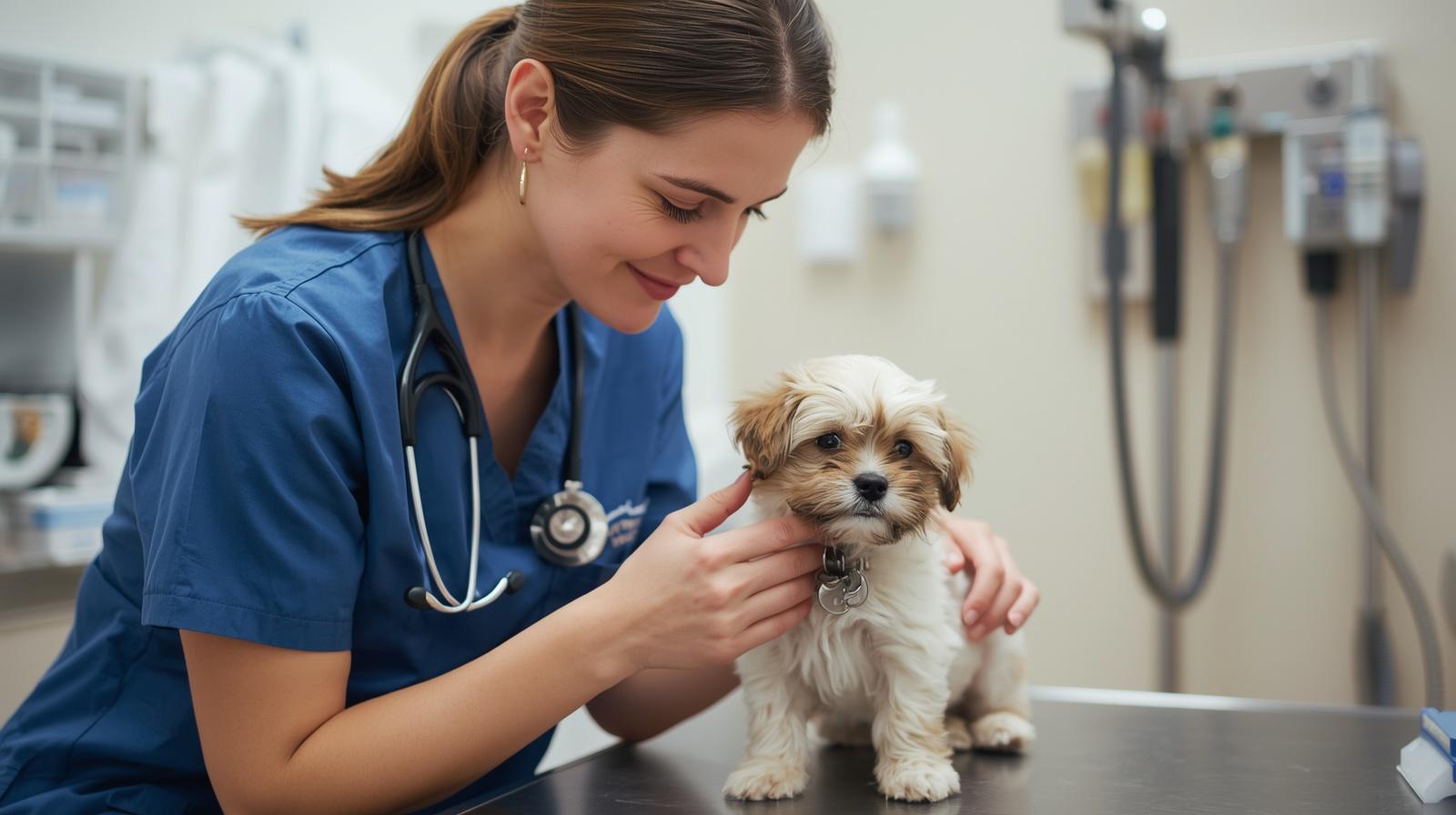
The first week is about helping your puppy settle safely into their new home while monitoring their health closely.
1. Schedule Your First Veterinary Consultation
Even if your breeder or shelter claims the puppy is healthy, a professional examination is essential.
During the first vet consult, the veterinarian evaluates:
- Weight and growth
- Body temperature
- Heart and lung health
- Skin and coat condition
- Signs of worms or parasites
👉 Speak to a MyFurries Vet Now
2. Keep Diet Consistent
Sudden food changes are the most common cause of digestive problems in puppies.
Ask the previous caretaker what food your puppy was eating and continue it for at least a week before transitioning slowly.
Signs the diet may not suit your puppy include:
- Loose stools
- Excessive gas
- Loss of appetite
- Vomiting
Week 2: Vaccinations and Parasite Control
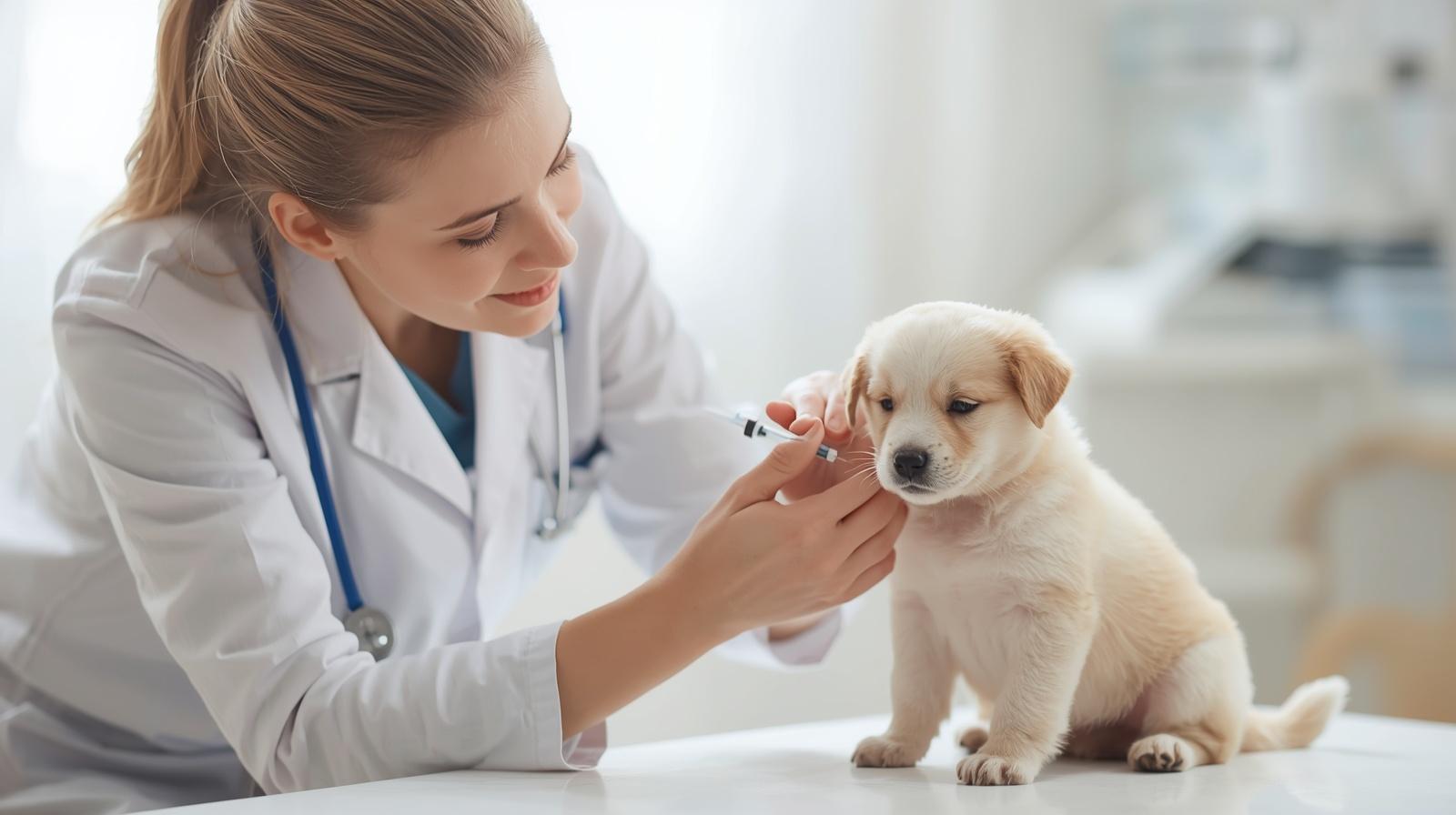
Once your puppy has settled in, the next priority is disease prevention.
Puppy Vaccination Schedule
Core vaccinations protect against life-threatening diseases such as:
- Parvovirus
- Distemper
- Canine hepatitis
- Parainfluenza
In India, the first combination vaccine (DHPPI) is typically given at 6-8 weeks of age, followed by boosters every few weeks.
Deworming
Most puppies are born with intestinal worms transmitted from their mother.
Veterinarians recommend deworming every 2 weeks until 3 months of age.
Symptoms of worms include:
- Pot belly appearance
- Weight loss
- Diarrhea
- Visible worms in stool
Week 3: Behaviour and Socialisation

Puppies are extremely impressionable during the early weeks of life. Positive experiences during this period shape their behaviour permanently.
Introduce New Sounds and Experiences
- Household noises
- Gentle handling by family members
- Short car rides
- Basic grooming routines
This prevents fear and anxiety as your dog grows older.
Start Basic Training
Simple commands like “sit,” “come,” and “stay” should begin during the first month.
Short 5-minute training sessions help puppies learn without stress.
—Week 4: Nutrition and Growth Monitoring
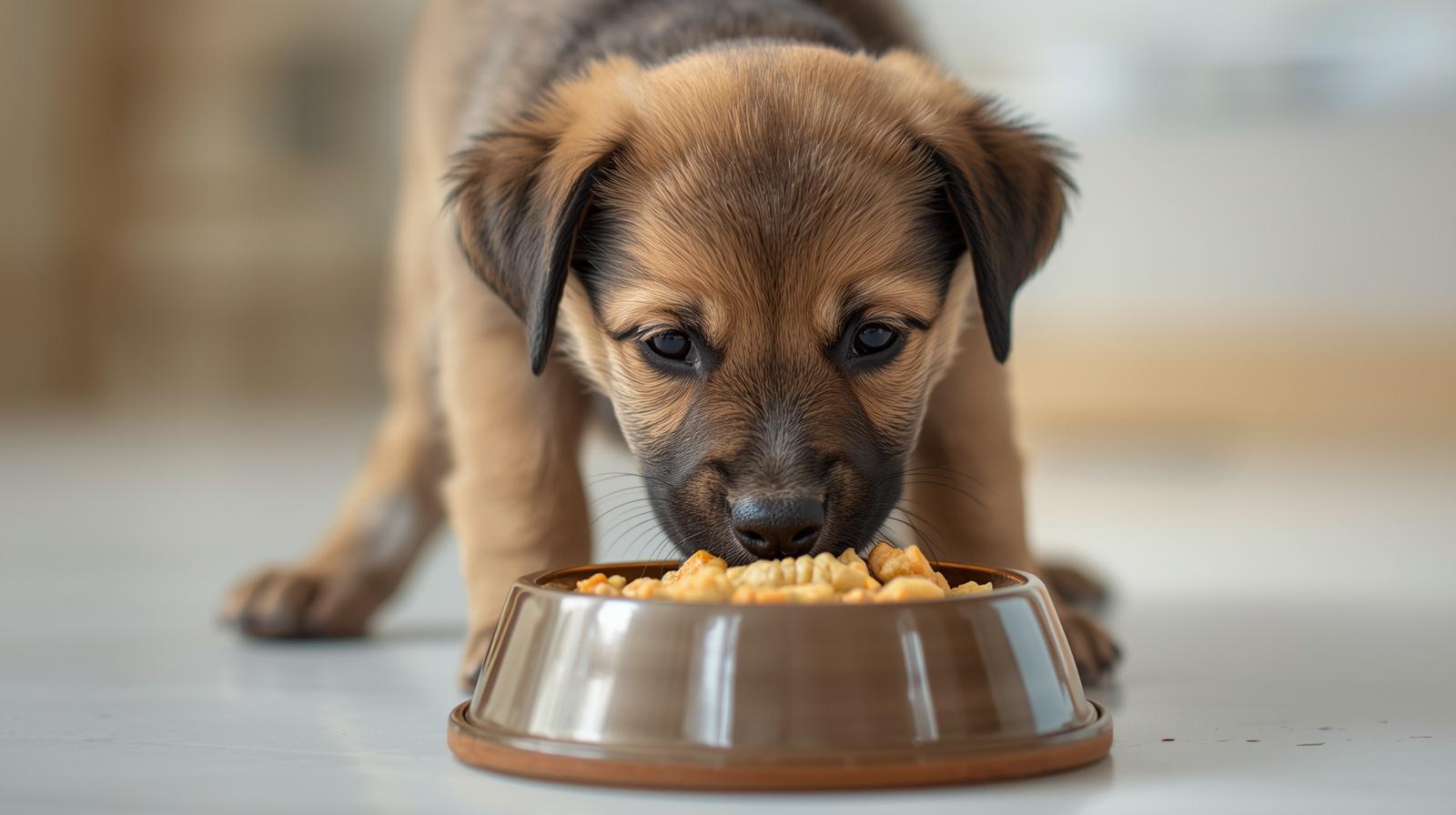
By week four, your puppy’s energy levels increase significantly. Proper nutrition supports growth, bone development, and immunity.
How Much Should a Puppy Eat?
Feeding requirements vary based on breed, age, and weight.
Most puppies require:
- 3–4 meals per day
- High-quality puppy food
- Clean drinking water at all times
Avoid feeding harmful foods such as:
- Chocolate
- Grapes and raisins
- Onions and garlic
- Xylitol (found in sugar-free products)
Warning Signs That Require Immediate Vet Advice
If you notice any of the following symptoms, consult a veterinarian immediately:
- Persistent vomiting
- Severe diarrhea
- Loss of appetite for more than 24 hours
- Extreme lethargy
- Breathing difficulty
Essential Supplies Every Puppy Needs
- Comfortable bed
- Food and water bowls
- Chew toys
- Training pads
- Safe puppy food
- Basic grooming tools
Why Expert Guidance Makes a Difference
Many new pet parents rely on internet advice or conflicting opinions from friends. But every puppy is different.
Breed, age, environment, and diet all influence health outcomes.
Veterinary guidance helps ensure:
- Correct vaccination timing
- Proper nutrition
- Behaviour training guidance
- Early disease detection
How MyFurries Supports New Puppy Parents
MyFurries provides convenient access to veterinary professionals who understand the challenges of first-time pet parenting.
- Online vet consultations
- Puppy diet planning
- Behaviour guidance
- Vaccination reminders
- Emergency advice
Conclusion
The first 30 days with a puppy are filled with discovery, bonding, and responsibility.
Following a structured veterinary checklist ensures your puppy grows into a healthy, confident companion.
With proper nutrition, vaccinations, training, and professional advice, you set the foundation for a lifetime of happiness together.
When in doubt, remember: early veterinary guidance prevents serious problems later.
—Frequently Asked Questions
When should I take my new puppy to the vet?
Within the first 48 hours after bringing the puppy home.
How often should puppies eat?
Most puppies need 3–4 small meals daily until 6 months of age.
When should puppy vaccinations start?
Puppies typically receive their first vaccine at 6–8 weeks of age.
—