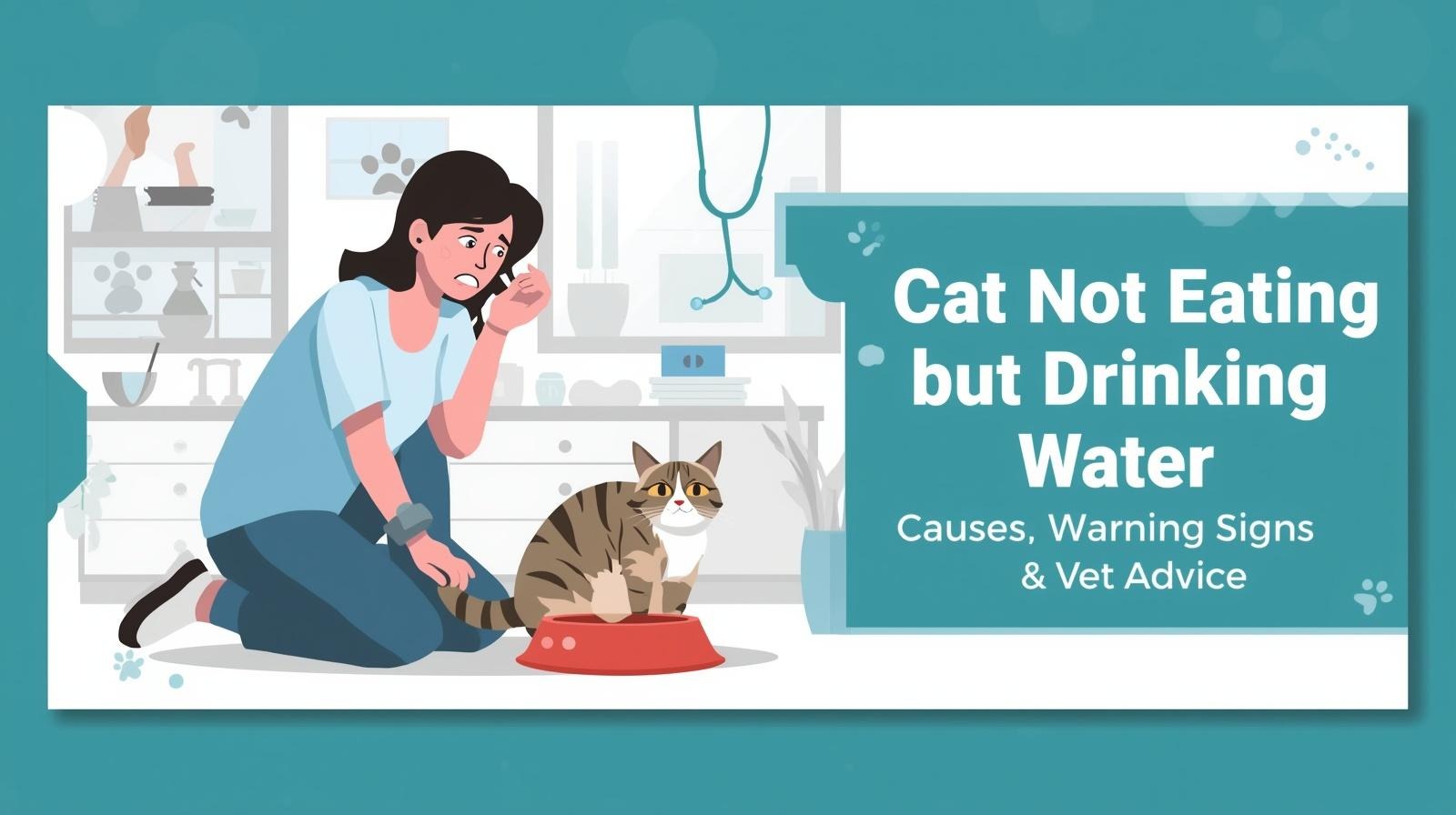
If your cat is drinking water but refusing to eat food, it can be confusing and worrying for pet parents.
Cats sometimes skip meals for minor reasons such as stress or diet changes. However, persistent loss of appetite may indicate an underlying health problem.
Because cats rely heavily on regular food intake to maintain liver health and energy levels, loss of appetite should never be ignored for long.
This veterinary guide explains why cats stop eating but continue drinking water and when you should seek veterinary advice.
👉 Book an Online Vet Consultation
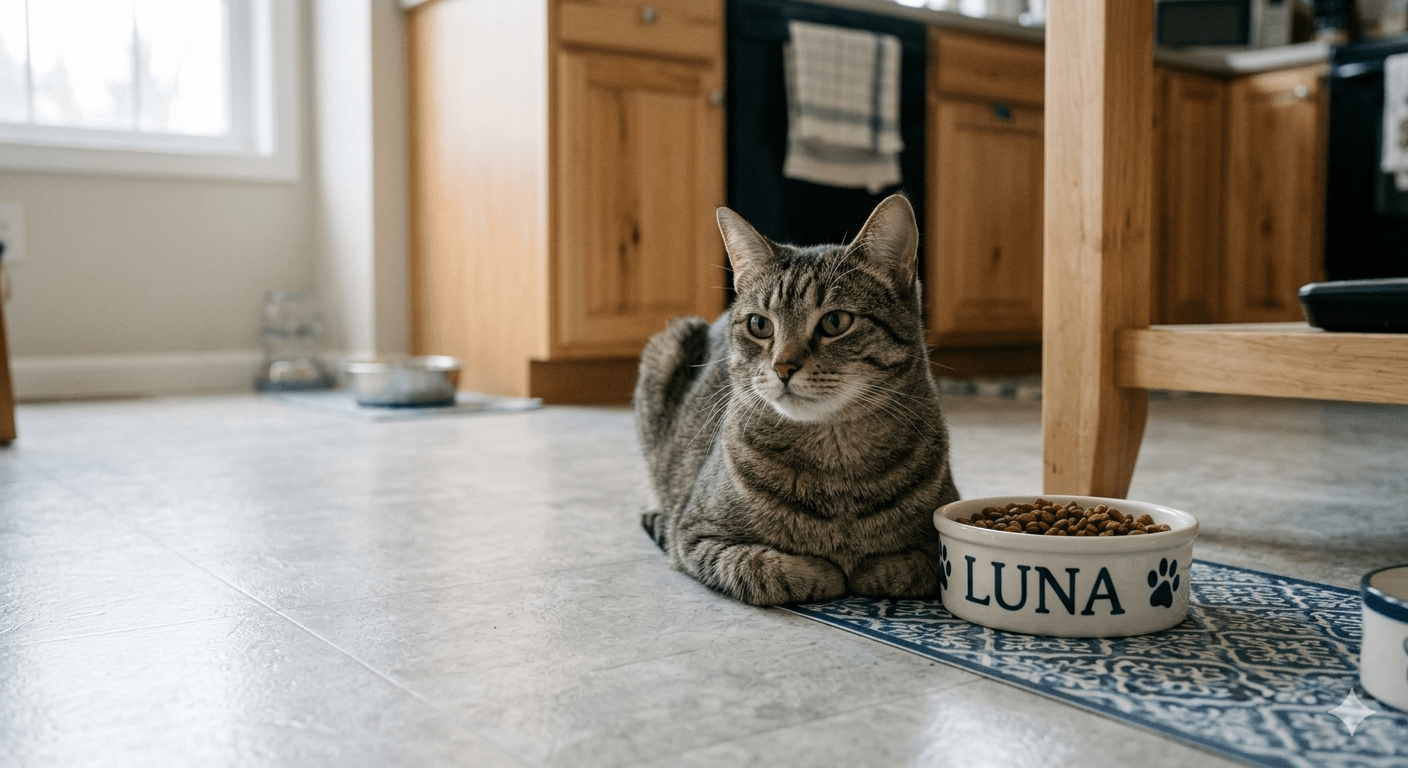
Why Is My Cat Drinking Water but Not Eating?
Drinking water but refusing food can occur for many reasons.
Some causes are mild and temporary, while others may require veterinary treatment.
Understanding the possible causes can help you decide the next steps.
Common Causes of Appetite Loss in Cats
1. Stress or Environmental Changes
Cats are sensitive animals that react strongly to changes in their environment.
Common stress triggers include:
- Moving to a new home
- New pets in the house
- Loud noises
- Travel
Stress may temporarily reduce appetite.
2. Dental Problems
Dental disease is a common cause of appetite loss.
Pain while chewing may cause cats to avoid food even though they remain thirsty.
Signs include:
- Drooling
- Bad breath
- Pawing at the mouth
3. Digestive Upset
Gastritis, hairballs or mild stomach irritation can cause nausea.
Nauseated cats may refuse food but still drink water.
4. Infection or Illness
Infections can cause appetite loss.
Possible illnesses include:
- Viral infections
- Kidney disease
- Liver disease
- Pancreatitis
5. Recent Vaccination
Some cats may temporarily lose appetite after vaccination.
This usually resolves within 24–48 hours.
6. Food Quality or Diet Change
Cats can be picky eaters.
A sudden change in food brand or flavor may cause them to refuse meals.
How Long Can a Cat Go Without Eating?
Healthy cats should not go longer than 24 hours without eating.
Prolonged appetite loss can lead to a serious condition called hepatic lipidosis or fatty liver disease.
This condition occurs when the body starts breaking down fat rapidly due to starvation.
Veterinary care is required to treat this condition.
Emergency Warning Signs
Seek veterinary help immediately if your cat shows:
- No eating for more than 24 hours
- Vomiting
- Severe lethargy
- Weight loss
- Difficulty breathing
- Yellowing of eyes or gums
What You Can Try at Home
If your cat otherwise appears healthy, a few simple steps may help restore appetite.
Offer Warm Food
Warming food slightly can enhance aroma and make it more appealing.
Try Wet Food
Wet food often smells stronger and may encourage eating.
Provide Quiet Feeding Area
Cats prefer calm environments while eating.
Offer Small Portions
Frequent small meals may encourage eating.
How Veterinarians Diagnose Appetite Loss
If appetite loss persists, veterinarians may recommend diagnostic tests.
- Physical examination
- Blood tests
- Urine analysis
- X-rays
- Ultrasound
These tests help identify underlying diseases.
Treatment Options
Treatment depends on the underlying cause.
Common treatments include:
- Anti-nausea medication
- Appetite stimulants
- Fluid therapy
- Dental treatment
- Dietary adjustments
Preventing Appetite Loss
- Feed consistent meals
- Introduce diet changes gradually
- Provide a calm feeding environment
- Schedule regular veterinary checkups
When to Contact a Vet
You should contact a veterinarian if your cat refuses food for more than 24 hours or shows other symptoms.
Early diagnosis and treatment help prevent complications.