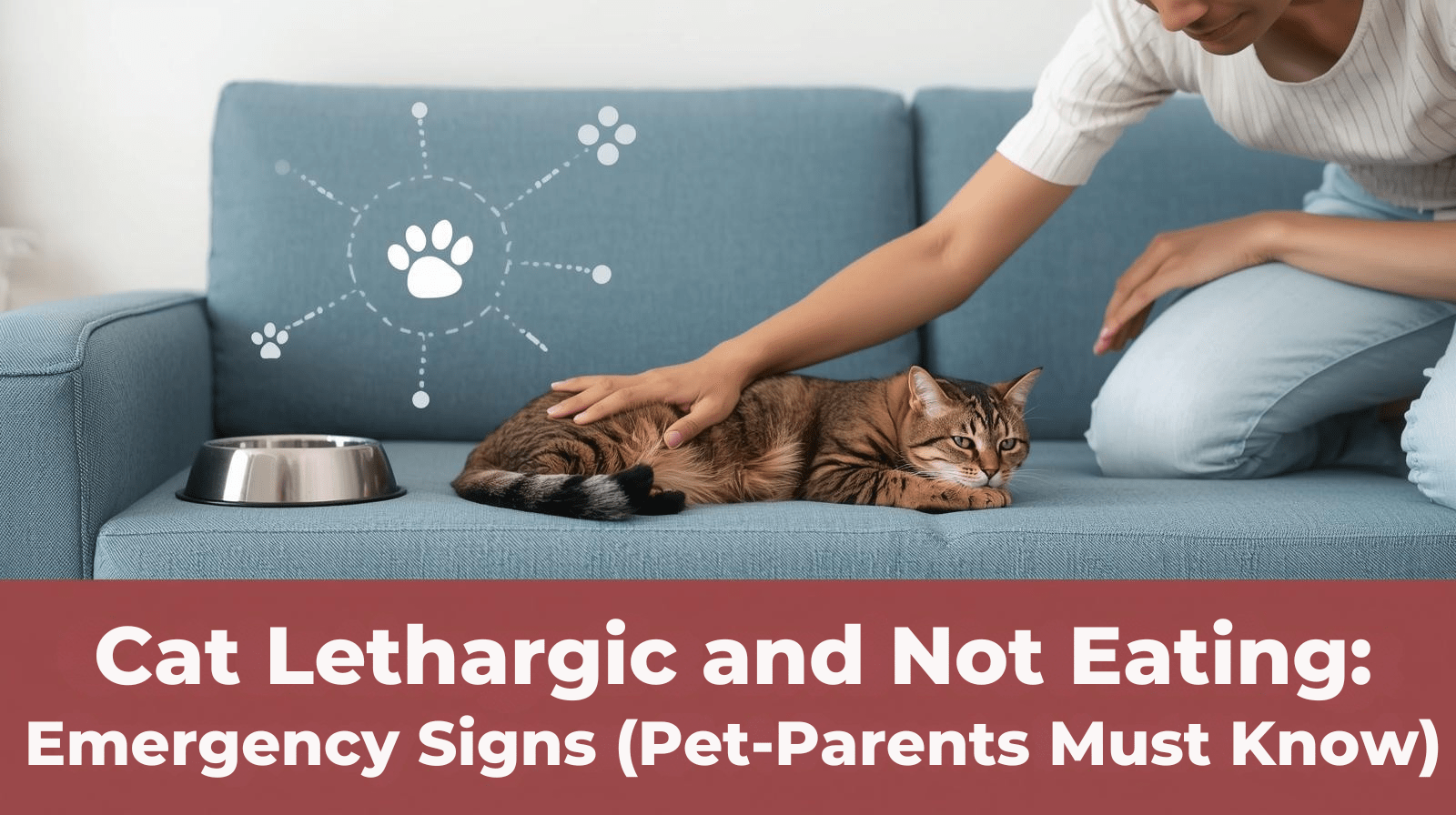
If your cat suddenly becomes lethargic and refuses to eat, it can be a serious warning sign.
Cats are naturally active and curious animals. When a normally playful cat becomes weak, sleepy or uninterested in food, it often indicates that something is wrong.
Loss of energy combined with appetite loss may signal infections, pain, digestive illness or other underlying health conditions.
Understanding the possible causes and recognizing emergency symptoms can help you act quickly and protect your cat’s health.
What Does Lethargy Mean in Cats?
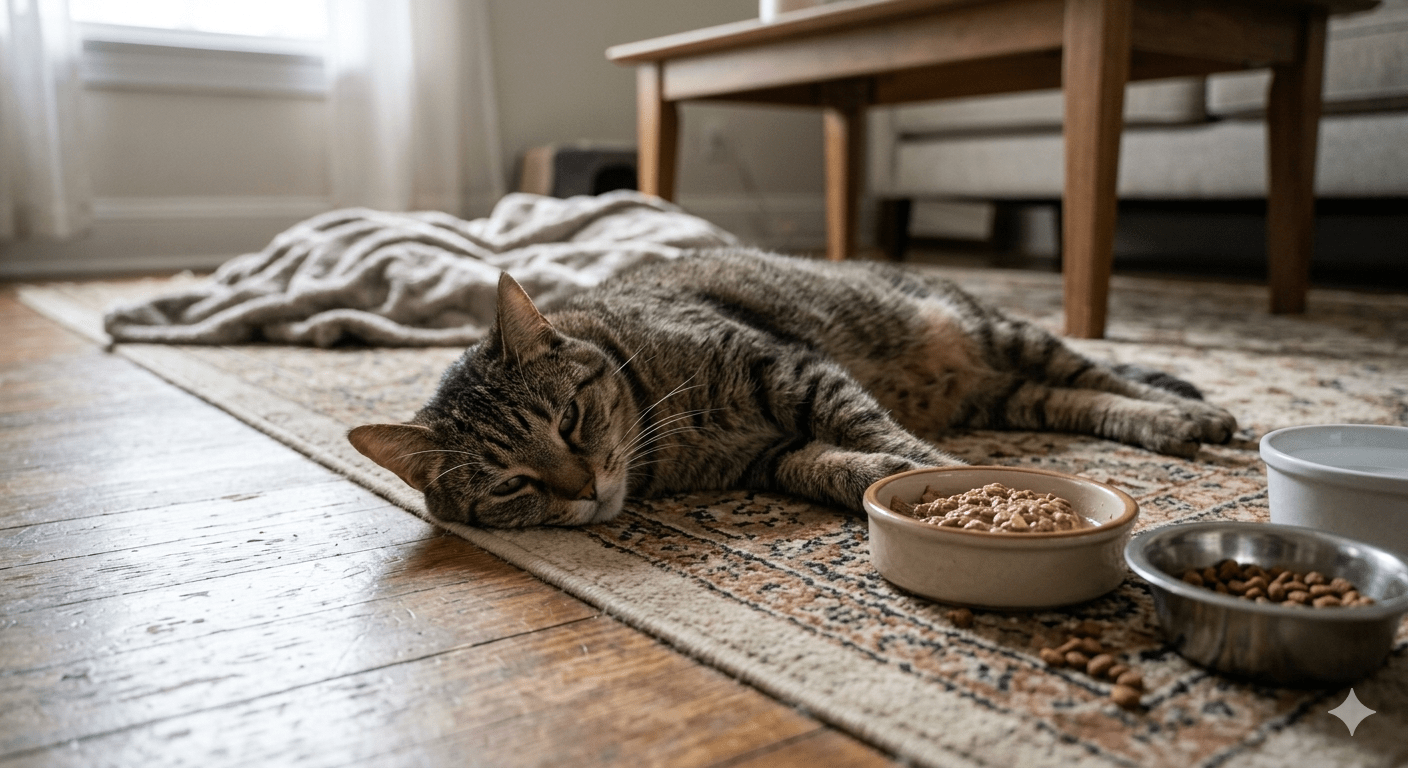
Lethargy refers to a noticeable decrease in a cat’s normal energy levels.
A lethargic cat may:
- Sleep much more than usual
- Avoid movement or play
- Hide frequently
- Show little interest in food
- Appear weak or slow
While cats naturally sleep many hours a day, sudden or extreme tiredness should be evaluated carefully.
Why Is My Cat Lethargic and Not Eating?
Several medical and environmental factors can cause these symptoms.
1. Infection
Viral or bacterial infections can cause weakness, fever and appetite loss.
Common infections include:
- Upper respiratory infections
- Feline panleukopenia
- Bacterial stomach infections
2. Digestive Problems
Digestive disorders may cause nausea and fatigue.
Examples include:
- Gastritis
- Intestinal parasites
- Food poisoning
3. Pain or Injury
Cats experiencing pain may stop eating and become inactive.
Pain may result from:
- Injuries
- Dental disease
- Arthritis
4. Kidney Disease
Kidney disease is a common cause of lethargy in older cats.
Symptoms may include:
- Loss of appetite
- Weight loss
- Increased drinking
- Vomiting
5. Liver Disease
Liver problems may cause weakness and appetite loss.
If untreated, liver disease can become life-threatening.
6. Toxic Exposure
Cats may accidentally ingest toxic substances.
Common toxins include:
- Certain houseplants
- Chemicals
- Human medications
Emergency Warning Signs
If your cat is lethargic and not eating, seek veterinary help immediately if you notice:
- Vomiting
- Difficulty breathing
- Severe weakness
- Blood in stool or vomit
- High fever
- Refusal to drink water
These symptoms may indicate a serious medical emergency.
👉 Book a Vet Consultation Immediately
How Long Can a Cat Go Without Eating?
Cats should not go more than 24 hours without food.
Extended fasting can lead to a dangerous condition called hepatic lipidosis, also known as fatty liver disease.
This condition occurs when the body begins breaking down fat for energy too quickly.
Early treatment is essential to prevent complications.
What You Can Try at Home
If symptoms are mild and your cat appears otherwise stable, you may try a few simple steps.
Offer Highly Palatable Food
Wet food or warmed food may stimulate appetite.
Ensure Fresh Water
Hydration is essential for recovery.
Create a Calm Environment
Reduce stress and provide a quiet resting area.
Monitor Behavior Closely
If symptoms worsen or continue for more than a day, seek veterinary advice.
How Veterinarians Diagnose the Problem
If a cat remains lethargic and refuses food, veterinarians may recommend diagnostic tests.
- Physical examination
- Blood tests
- Urine tests
- X-rays
- Ultrasound
These tests help determine the underlying cause of illness.
Possible Treatments
Treatment will depend on the diagnosis.
Veterinarians may prescribe:
- Fluid therapy
- Antibiotics
- Anti-nausea medication
- Appetite stimulants
- Special dietary plans
Preventing Illness in Cats
Good care practices help reduce the risk of illness.
- Provide balanced nutrition
- Schedule regular veterinary checkups
- Keep toxins out of reach
- Ensure vaccinations are up to date
When to Contact a Vet
You should seek veterinary advice if your cat:
- Stops eating for more than 24 hours
- Becomes unusually weak
- Shows vomiting or diarrhea
- Appears dehydrated
Early veterinary care can make a significant difference in recovery.