Web Analytics
Guinea Pig Symptom Checker | Emergency Exotic Vet Help Online | MyFurries
Guinea Pig Health · Vet-Reviewed 2026

Guinea Pig
Symptom Checker

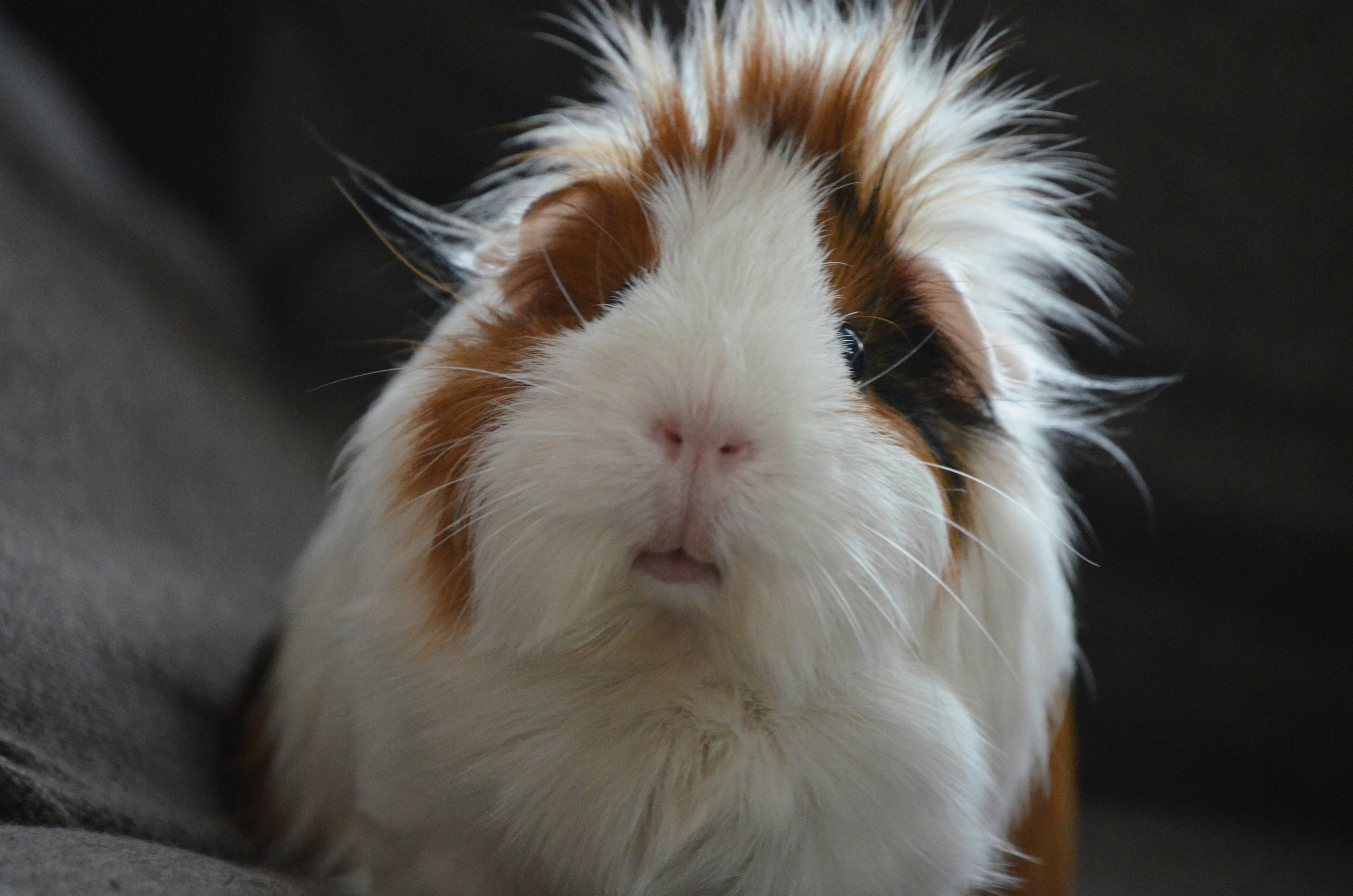
Guinea pigs hide illness until it becomes serious. Early signs may seem mild but can progress rapidly — not eating, heavy breathing, bloating, or unusual quietness all need prompt attention. Expert exotic vet help is available right now.

Vet-reviewed guidance Consult from ₹149 ~Rapid connect time Exotic vet specialists
✓ Vet Reviewed
Guinea Pig — MyFurries
100K+
Pets Helped
₹149
From / Consult
~Rapid
Connect Time
25yr+
Vet Experience
⚠️ Guinea pig showing symptoms? They hide illness until it's advanced — even mild signs need prompt attention.
Consult a Vet Now →
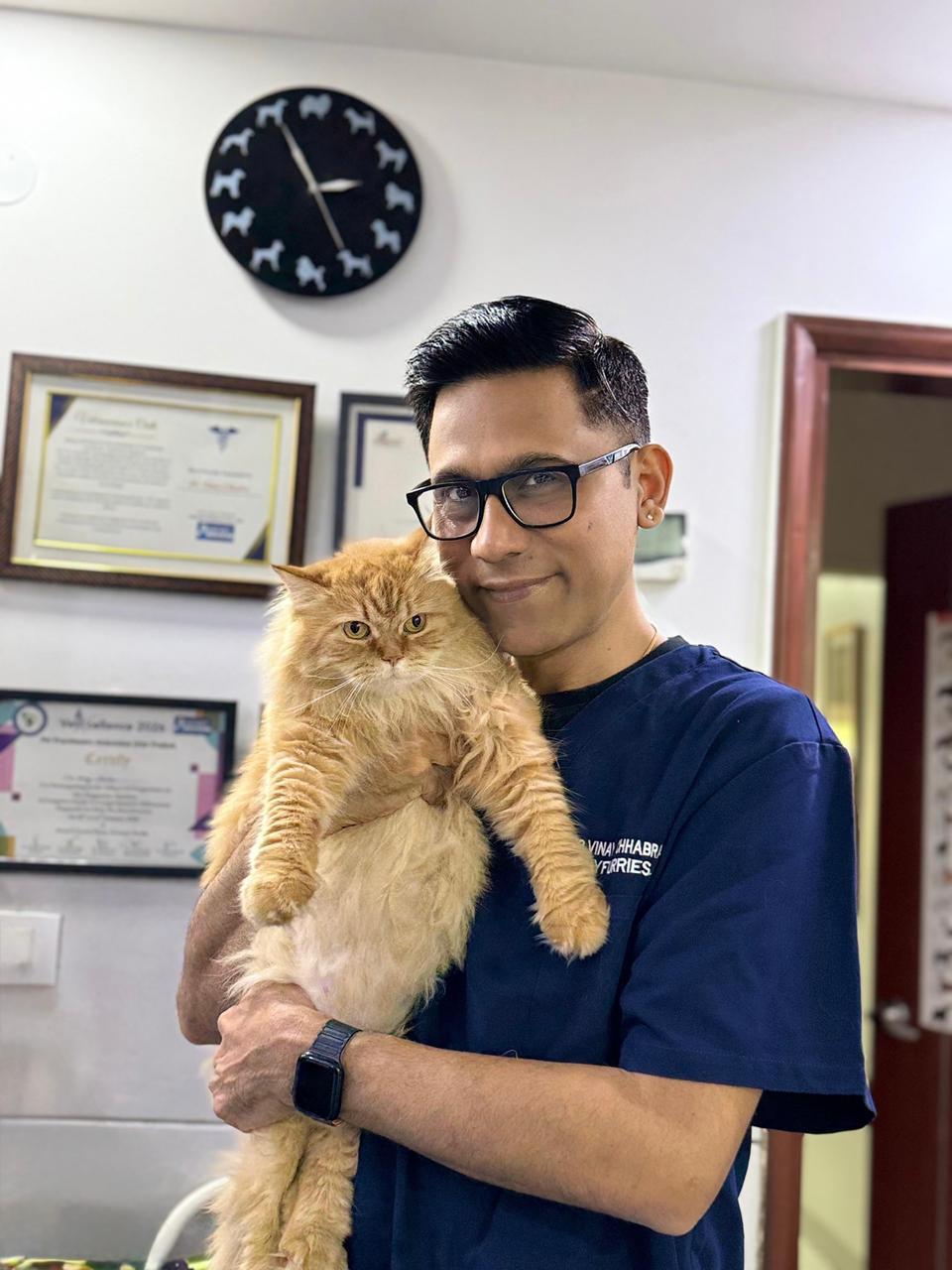
Dr. Vinay
Dr. Vinay
Lead Exotic Pet Veterinary Consultant
Exotic & small animal specialist. 25+ years in veterinary practice across India and internationally.
✓ MyFurries Certified Specialist
100,000+
Pets Helped
25 yrs
Experience
From ₹149
Per Consult
~Rapid
Response Time
🚨

Seek immediate vet help if your guinea pig shows any of these:

Not eating Heavy breathing Bloated stomach Sudden lethargy Bloody urine or stool Seizures Wheezing / clicking Collapse
Tap to Explore

Common Guinea Pig Emergency Symptoms

Guinea pigs often hide illness until they become seriously unwell. Select any symptom below for clinical guidance, causes, and what to do right now.

🥗 Digestive & Appetite Symptoms
🚨Guinea pigs have a constantly moving digestive system. When they stop eating, gut motility shuts down within hours, causing painful GI stasis. This is always an emergency.
📋 Common Causes
  • Dental disease or molar spurs
  • Pain from any source
  • Respiratory infection reducing appetite
  • Stress or sudden environment change
🏠 Do This Right Now
  • Offer fresh hay, leafy greens, favourite foods
  • Ensure water supply is working
  • Keep environment calm and warm
  • Never force-feed without vet guidance
🚨 Call a Vet If:
  • Not eaten for 12+ hours
  • No droppings in cage
  • Bloating or swollen belly
Book Exotic Vet Now →

From ₹149 · Available daily

🚨Bloating in guinea pigs can indicate GI stasis, gas, or organ enlargement. The abdomen may feel hard or distended. This can be fatal within hours without treatment.
📋 Common Causes
  • GI stasis (gut shutdown)
  • Gas from too many leafy vegetables
  • Intestinal blockage
  • Internal organ enlargement
🏠 Immediate Actions
  • Remove all fresh and gassy foods
  • Keep warm and calm — reduce stress
  • Do NOT press or massage abdomen
  • Monitor breathing alongside bloating
🚨 Emergency If:
  • Abdomen visibly swollen or hard
  • Refusing all food and water
  • Laboured breathing with bloating
Emergency Vet Consult →

From ₹149 · Available daily

🚨Abnormal droppings are one of the earliest and most reliable indicators of digestive illness in guinea pigs. Act promptly — dehydration sets in fast.
📋 Common Causes
  • Bacterial infection or parasites
  • Sudden diet change
  • Too many fresh vegetables at once
🏠 Immediate Care
  • Remove all fresh foods temporarily
  • Provide unlimited fresh hay
  • Ensure clean drinking water
🚨 Vet Immediately If:
  • Watery or bloody diarrhea
  • No droppings at all
  • Diarrhea plus lethargy together
Consult Vet Immediately →

From ₹149 · Available daily

🌬️ Breathing & Respiratory Symptoms
🚨Guinea pigs are obligate nasal breathers — any visible breathing difficulty or wheezing is always serious. Pneumonia in guinea pigs progresses extremely quickly.
📋 Common Causes
  • Bacterial pneumonia or respiratory infection
  • Heart disease (common in older guinea pigs)
  • Fluid around the lungs
  • Extreme stress or overheating
🏠 Do This Right Now
  • Move to cool, calm, well-ventilated area
  • Do not handle or stress further
  • Check for nasal discharge or clicking sounds
  • Contact a vet without delay
🚨 Emergency Signs
  • Open-mouth breathing
  • Blue or pale gums
  • Clicking or rattling breath sounds
Emergency Vet Consult →

From ₹149 · Available daily

⚠️An occasional sneeze is normal — but persistent sneezing with discharge is an early warning sign of respiratory infection, which must be treated before it progresses to pneumonia.
📋 Common Causes
  • Bacterial upper respiratory infection
  • Dusty bedding or environmental irritants
  • Allergies to hay dust or cleaning products
🏠 Check These First
  • Switch to dust-free paper bedding
  • Check for eye or nasal discharge
  • Is the guinea pig still eating normally?
🔴 Red Flags
  • Coloured or thick nasal discharge
  • Sneezing plus reduced appetite
  • Breathing sounds laboured
Start Vet Consult →

From ₹149 · Available daily

📖 Guide 🫁
Guinea Pig Pneumonia

Pneumonia is one of the leading causes of death in guinea pigs. Read the full guide on signs, causes and treatment.

Read guide ›
🪮 Skin & Coat Symptoms
⚠️Hair loss in guinea pigs is almost always caused by mange mites, ringworm, or Vitamin C deficiency — all highly treatable with the right diagnosis and care.
📋 Common Causes
  • Mange mites (Trixacarus caviae) — very itchy
  • Ringworm (fungal infection)
  • Vitamin C deficiency (scurvy)
  • Barbering by cage companions
🏠 What To Observe
  • Is the skin red, flaky, or crusty under the patch?
  • Is the guinea pig scratching excessively?
  • Is it spreading to other areas?
🔴 Warning Signs
  • Intense scratching causing wounds
  • Rapid spreading of bald patches
  • Hair loss plus weight loss
Consult Vet Now →

From ₹149 · Available daily

🩺 Online Vet 🩺
Skin Sores or Lumps?

Abscess, cysts, or skin wounds in guinea pigs need prompt assessment. Describe any skin symptom to a vet from ₹149.

Ask a vet now ›
🏥 General Health Symptoms
🚨Guinea pigs are naturally social and active. Sudden stillness, unusual quietness, or failure to respond is a late-stage warning sign — the condition is often already critical by this point.
📋 Possible Causes
  • Infection or systemic illness
  • Pain from dental disease or injury
  • Heart disease or organ failure
  • Severe dehydration or starvation
🏠 What You Can Do
  • Keep warm and in a quiet, safe space
  • Check if eating, drinking, passing droppings
  • Do not force movement or handling
🚨 Vet Immediately If:
  • Completely limp or unresponsive
  • Not eaten or drunk in 12+ hours
  • Cold to the touch
Get Help — Talk to Vet →

From ₹149 · Available daily

⚠️Guinea pigs should maintain a consistent weight. Any noticeable weight loss over a short period is always a sign of an underlying problem that needs veterinary investigation.
📋 Common Causes
  • Dental disease or molar spurs preventing eating
  • Chronic infection or parasites
  • Vitamin C deficiency (scurvy)
  • Tumour or organ illness
🏠 What To Monitor
  • Weigh weekly using kitchen scales
  • Observe chewing — is the guinea pig dropping food?
  • Ensure daily Vitamin C intake (bell pepper, parsley)
🔴 Warning Signs
  • Lost 10%+ of body weight rapidly
  • Dropping food while trying to eat
  • Weight loss plus lethargy
Consult Vet Now →

From ₹149 · Available daily

🩺 Online Vet 🩺
Other Symptoms?

Seizures, dental problems, eye discharge, bloody urine — describe any symptom to a qualified exotic vet from ₹149.

Ask a vet now ›
Why Trust Us

Trusted by Pet Owners Across The Globe

🐾
100,000+
Pet Parents Assisted
🩺
25 yrs
Exotic Pet Experience
~Rapid
Connect Time
💳
From ₹149
Per Consultation
FAQ

Frequently Asked Questions About Guinea Pig Symptoms

Sudden loss of appetite in guinea pigs can be caused by dental disease, respiratory illness, pain, stress, or GI stasis. It is always a serious symptom because their digestive system shuts down very quickly without food. Do not wait — contact a vet if your guinea pig has not eaten for 12 hours or more.
A swollen or hard stomach in a guinea pig indicates GI stasis, gas buildup, or organ enlargement — all serious conditions. Remove gassy foods, keep the guinea pig warm and calm, and contact a vet immediately. Do not attempt to press on the abdomen.
No. While guinea pigs breathe faster than humans at rest, visibly laboured, heavy, or wheezing breathing is always abnormal. Guinea pigs are prone to respiratory infections and pneumonia that can be fatal within days. Laboured breathing is a veterinary emergency.
Hair loss in guinea pigs most commonly results from mange mites (Trixacarus caviae), ringworm, Vitamin C deficiency, or barbering by cage-mates. All causes are treatable but require correct diagnosis. A vet can identify the cause and prescribe the right treatment.
Contact a vet immediately if your guinea pig stops eating, develops bloating, breathes heavily, shows blood in urine or stool, becomes unresponsive, or loses weight rapidly. Guinea pigs deteriorate quickly — early intervention is always better than waiting.
Related Guides

Guinea Pig Health Guides

Dr. Vinay
Book an Online Exotic Vet Consultation

Don't Wait Until
It's Too Late

Guinea pigs deteriorate quickly once symptoms appear. Whether it's not eating, breathing problems, bloating, or skin issues — our exotic vets are available right now.

Book Vet Consultation Now →

Starting from ₹149 · No hidden fees · Available daily

🐾 Book Online Exotic Vet Now →

From ₹149 · Available daily · No hidden fees