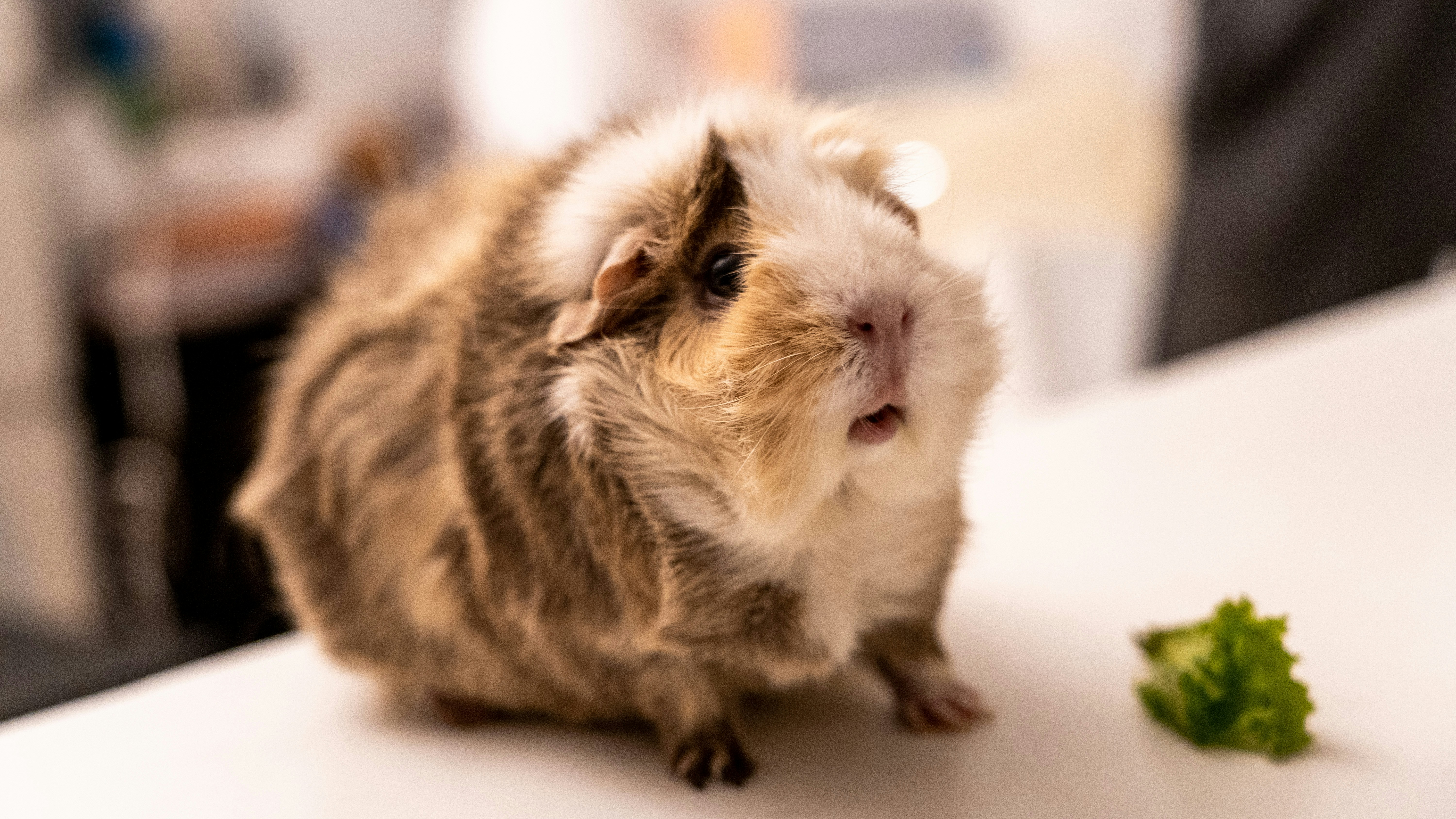
Hamster & Guinea Pig Symptoms at a Glance
Guinea pigs and hamsters are prey animals that instinctively mask pain and illness, so changes in appetite, breathing, droppings, activity, or coat condition are often the first visible clue that something is wrong. Common warning signs include not eating, rapid or laboured breathing, diarrhea (including wet tail in hamsters), lethargy, hiding, shaking, and hair loss.
Because small pets have fast metabolisms, symptoms can progress from mild to life-threatening within hours rather than days. Any pet that stops eating, struggles to breathe, has ongoing diarrhea, or is unresponsive needs urgent veterinary assessment. This guide explains likely causes, safe home-care steps, and emergency signs for each symptom, and offers access to an online veterinarian for further guidance.
What Symptom Is Your Pet Showing?
Select any symptom for instant clinical guidance — causes, home care steps, and emergency warning signs for hamsters and guinea pigs.
😰 Stress & Panic Symptoms
Constant hiding or complete stillness in a hamster is a serious sign — it often means illness or severe stress.
Frequent or unusual squeaking can signal stress, fear, hunger, pain, or discomfort.
- Illness or infection
- Severe stress or fear
- Pain or internal injury
- Hibernation attempt (dangerous in domestic hamsters)
- Keep environment warm and quiet
- Check if breathing is visible
- Do not force the hamster out
- Monitor food and water intake
- Unresponsive or limp
- Not eaten in 12+ hours
- Cold to touch
From ₹199 · Available daily
- Hunger or thirst
- Pain or discomfort
- Fear or environmental stress
- Check food and water supply
- Look for signs of injury
- Reduce loud noises and stress around cage
- Squeaking plus not eating
- Squeaking when touched (pain sign)
- Sudden onset in previously quiet pet
From ₹199 · Available daily
Shaking can result from fear, cold temperatures, weakness, low blood sugar, or underlying illness.
- Fear or stress response
- Cold temperature in cage
- Low blood sugar (hypoglycaemia)
- Neurological condition or infection
- Ensure cage is warm enough (20–24°C)
- Offer a small amount of food
- Keep environment calm and quiet
- Shaking that won't stop
- Shaking plus not eating
- Collapse or seizure-like episode
From ₹199 · Available daily
Fear and discomfort trigger defensive biting in small pets. A vet can help identify the cause from ₹199.
🥗 Digestive Symptoms
Loss of appetite in hamsters and guinea pigs can become life-threatening within hours due to their fast metabolism.
Wet tail in hamsters is a life-threatening form of diarrhea. All loose stools in small pets need urgent attention.
- Dental problems or overgrown teeth
- Stress or environmental change
- Digestive illness or infection
- Pain or systemic illness
- Offer fresh food and favourite treats
- Ensure water supply is working
- Keep environment warm and stress-free
- Never force-feed without vet advice
- Not eaten for 12+ hours
- Visible weight loss
- Also lethargic or hiding
From ₹199 · Available daily
- Bacterial infection (wet tail in hamsters)
- Sudden diet or food change
- Stress or environmental disruption
- Remove fresh/sugary foods immediately
- Keep cage warm and very clean
- Offer clean water at all times
- Wet or soiled tail area
- Watery stool lasting more than a few hours
- Lethargy alongside diarrhea
From ₹199 · Available daily
A visibly bloated or swollen belly in a small pet is a digestive emergency requiring immediate care.
- Gas build-up from diet (too many leafy greens)
- Intestinal blockage
- Internal organ enlargement
- Remove all fresh food temporarily
- Keep pet warm and calm
- Do not press or massage the abdomen
- Abdomen visibly swollen or hard
- Refusing all food and water
- Difficulty breathing alongside bloating
From ₹199 · Available daily
🌬️ Breathing & Respiratory Symptoms
Rapid or visible breathing effort in hamsters and guinea pigs is always abnormal. May indicate respiratory infection or heart disease.
Persistent sneezing or a runny nose in small pets often points to respiratory infection or allergens in bedding.
- Respiratory infection or pneumonia
- Heart disease (more common in guinea pigs)
- Stress, pain, or overheating
- Move to a cool, quiet, stress-free area
- Do not handle the pet further
- Check for nasal discharge or clicking sounds
- Open-mouth breathing
- Blue or very pale gums
- Clicking or wheezing sound when breathing
From ₹199 · Available daily
- Bacterial or viral respiratory infection
- Dusty or cedar-based bedding (irritant)
- Allergy or environmental irritant
- Switch to dust-free bedding if not already
- Is there discharge from eyes or nose?
- Is the pet still eating normally?
- Coloured or bloody nasal discharge
- Sneezing plus lethargy
- Breathing sounds laboured alongside sneezing
From ₹199 · Available daily
Audible breathing sounds in small pets often signal pneumonia. Get guidance from a vet from ₹199.
🏥 General Health Symptoms
A small pet that is unusually still, weak, or unresponsive is already in a critical state. Time is critical.
Hair loss in hamsters and guinea pigs can result from mites, ringworm, stress, or nutritional deficiency.
- Infection or systemic illness
- Dehydration or starvation
- Pain from injury or internal condition
- Hypothermia or hibernation state
- Keep warm — place near a heat source carefully
- Check for breathing and movement
- Offer water from a dropper if safe
- Completely limp or unresponsive
- Cold to touch
- Not eating or drinking at all
From ₹199 · Available daily
- Mites or external parasites
- Ringworm (fungal infection)
- Stress-related overgrooming
- Vitamin C deficiency (guinea pigs)
- Is the skin red, flaky, or crusty?
- Is the pet scratching excessively?
- Are bald patches spreading?
- Rapid or spreading hair loss
- Sore or bleeding skin underneath
- Hair loss plus lethargy
From ₹199 · Available daily
Crusty or watery eyes can indicate infection, injury, dental disease, or respiratory illness.
- Bacterial eye infection
- Dental root pressure on eye socket
- Dust, bedding, or foreign body irritation
- Gently clean discharge with damp cotton
- Check bedding for dust or irritants
- Monitor if both eyes are affected
- Eye swollen shut
- Thick or coloured discharge
- Eye discharge plus sneezing or not eating
From ₹199 · Available daily
Weight loss, dental issues, skin problems — describe any symptom to a qualified vet from ₹199.
Trusted by Pet Owners Across The Globe
Frequently Asked Questions
Quick answers to the most common questions about guinea pig and hamster symptoms.
Explore More Pet Health Guides
About the Reviewer
Dr. Vinay Chhabra, Lead Veterinary Consultant at MyFurries, has more than 25 years of multi-species veterinary experience, including exotic and small companion animals.
2026-08-19
Medically reviewed: 19 August 2026 · Last updated: 19 August 2026. This content is for general educational purposes and does not replace an in-person veterinary examination.

Don't Wait Until
It's Too Late
Small pets deteriorate very fast once symptoms appear. Our qualified vets are available right now to guide you through the next steps.
Start Online Vet Consultation →Starting from ₹199 · No hidden fees · Available daily